Bishop Alvise Grimani by Strozzi, Bernardo
Bernardo Strozzi, known as il Cappuccino, masterfully captured the subtle luxuries of his time in "Bishop Alvise Grimani," painted in 1633. Currently housed in a private collection, this oil-on-canvas portrait highlights the artist's distinctive approach to texture and light.
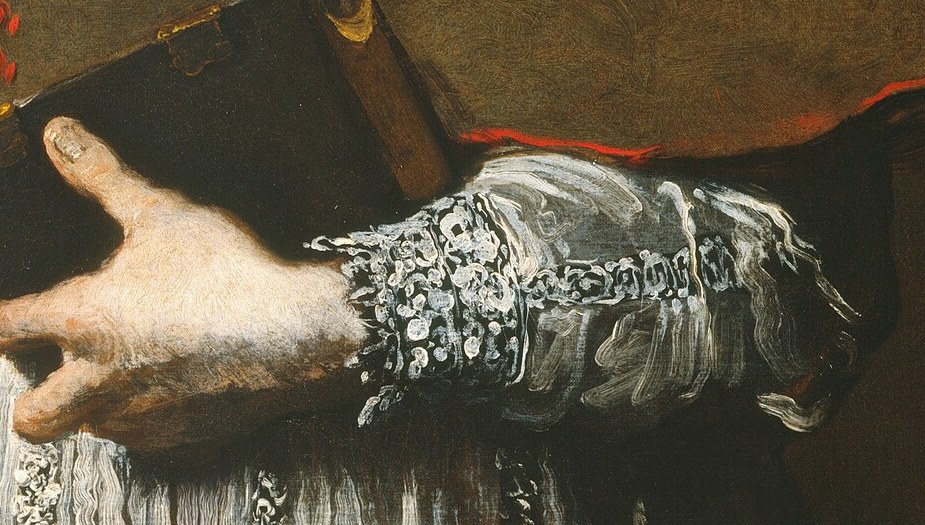
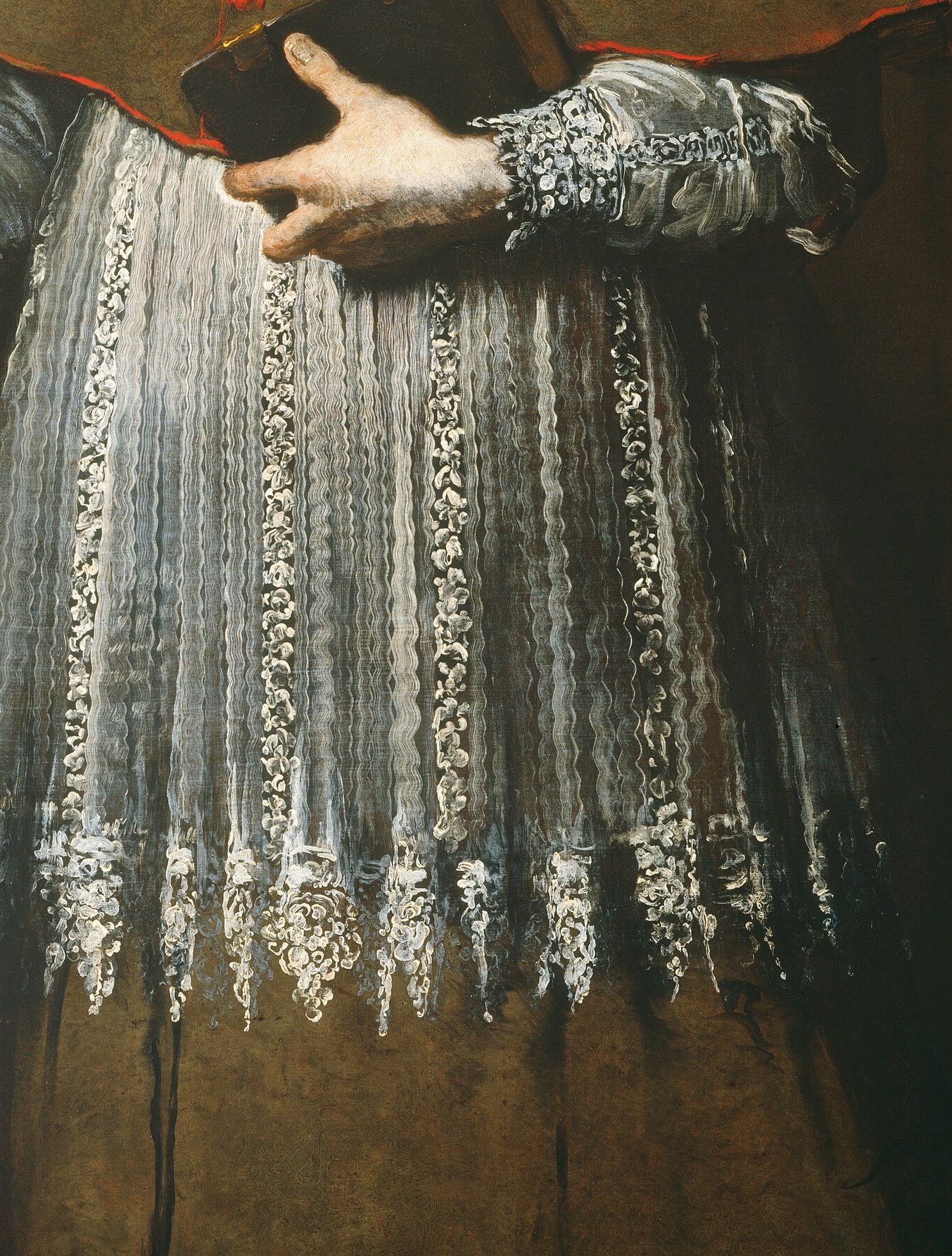
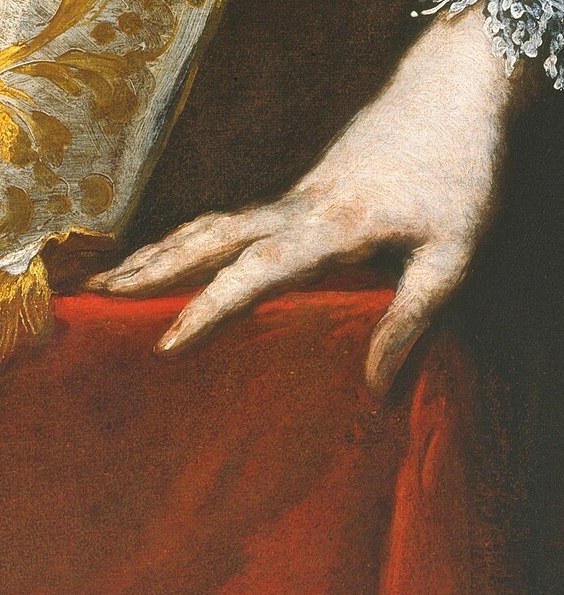
Take a closer look at the intricate details, from the ornate embroidery on the bishop's sleeve to the sheer fabric of his under-robe. Strozzi's glowing colors and broad brushstrokes bring these elements to life, conveying both the bishop's ecclesiastical authority and his personal wealth.
Strozzi began his career in Genoa before moving to Venice, where he became a key figure in developing the Baroque style. His ability to blend Genoese artistic traditions with Venetian aesthetics resulted in works like this, which offer a window into the fashion and status symbols of the era. The richness of the textiles and the formal presentation underscore the solemnity and importance of the subject.
What other hidden details do you notice that speak to the bishop's status?
Details
Transcript
This Baroque portrait seems formal, even simple. But look at the bishop's sleeve. The lace and embroidery are incredibly fine. Bernardo Strozzi painted this detail with luminous color. See how his delicate robe shows through the cloak. These rich fabrics signaled high status in 17th-century Venice. The artist was known for capturing such opulence.