Facsimile of a Sioux Robe with Porcupine Quills by Catlin, George
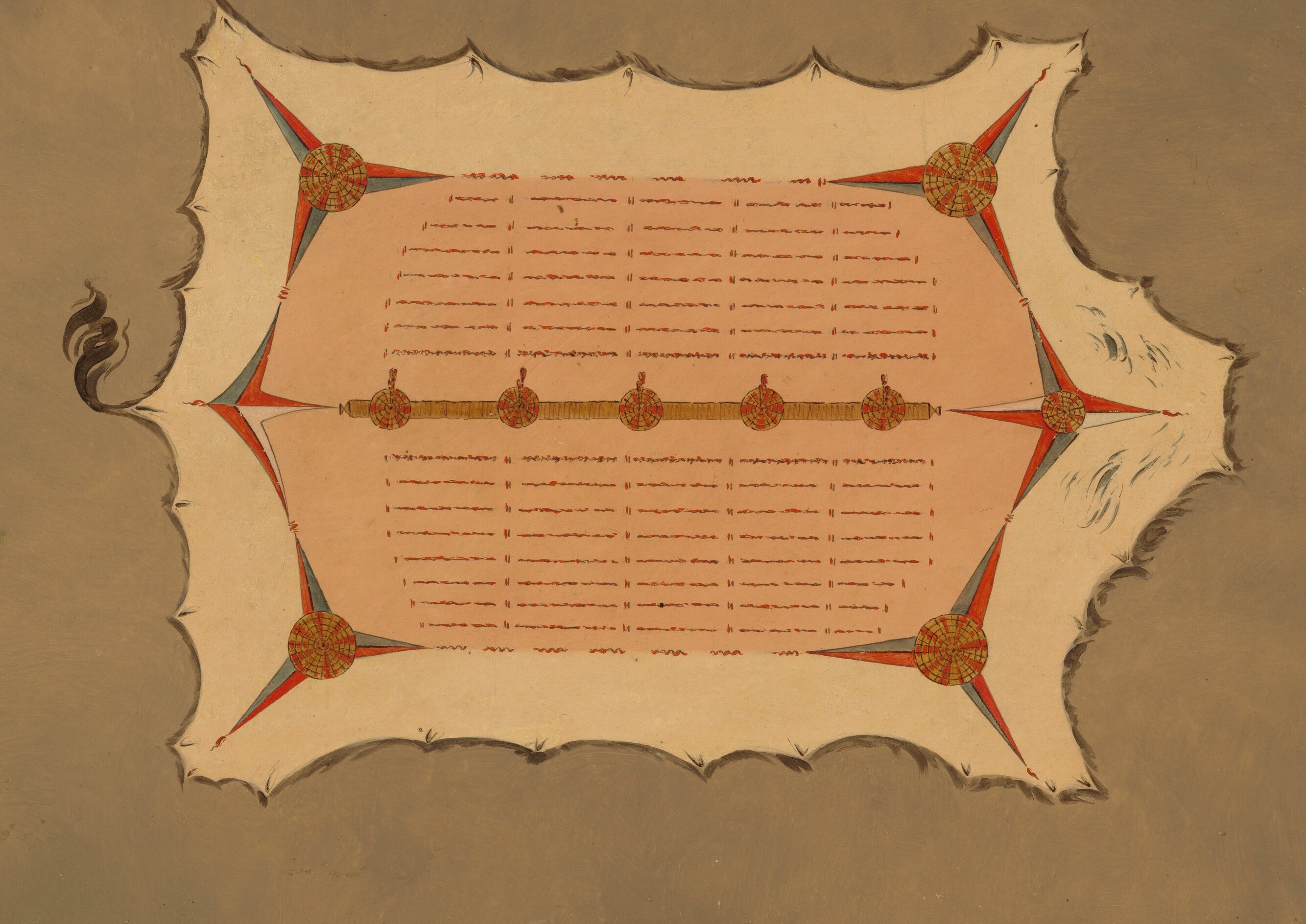
George Catlin's "Facsimile of a Sioux Robe with Porcupine Quills," painted around 1861-1869, is more than just a painting of an object; it's a window into a disappearing craft. This oil on card, held in a regional museum specializing in American folk art, meticulously documents a significant piece of Native American material culture.
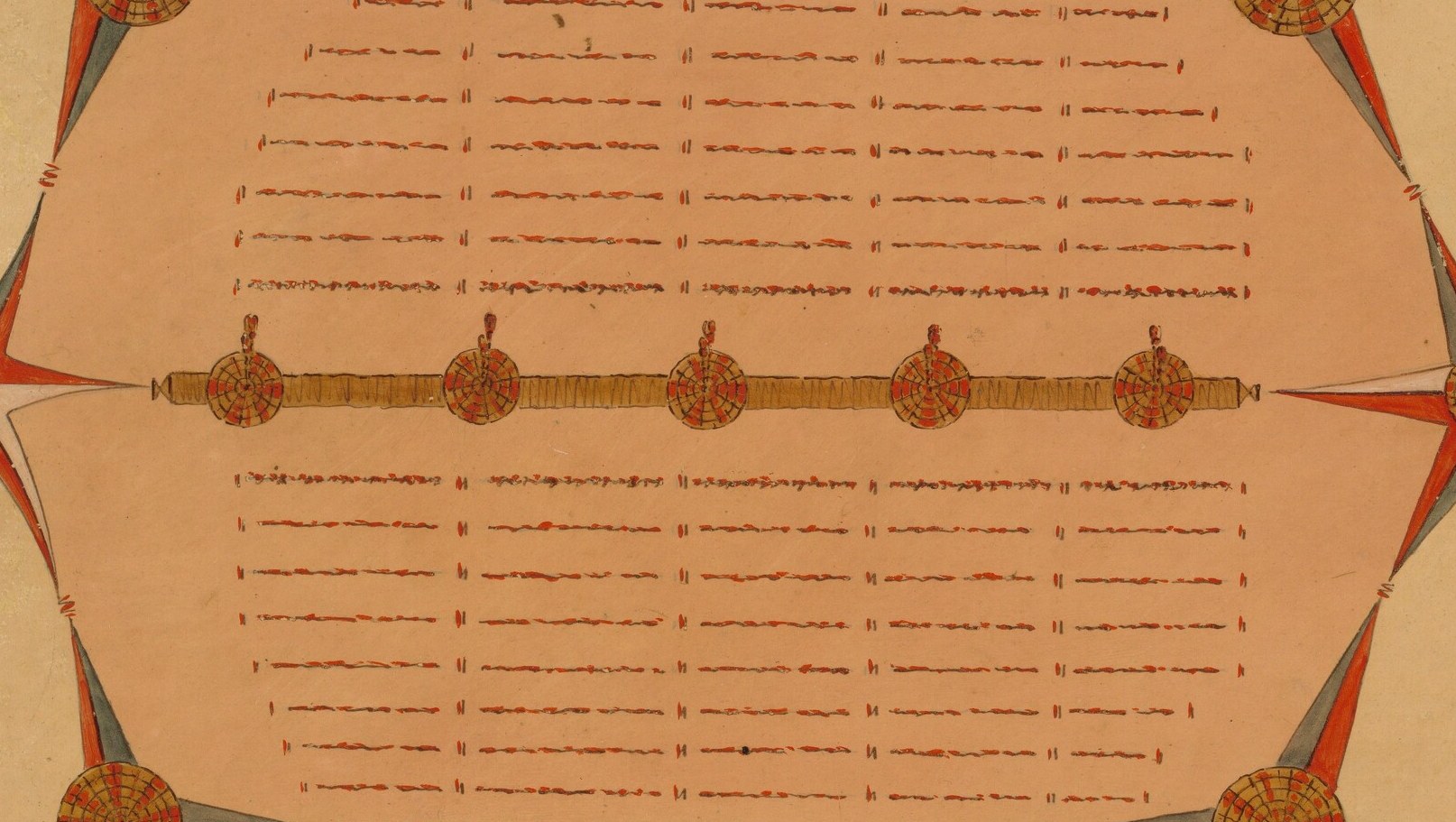
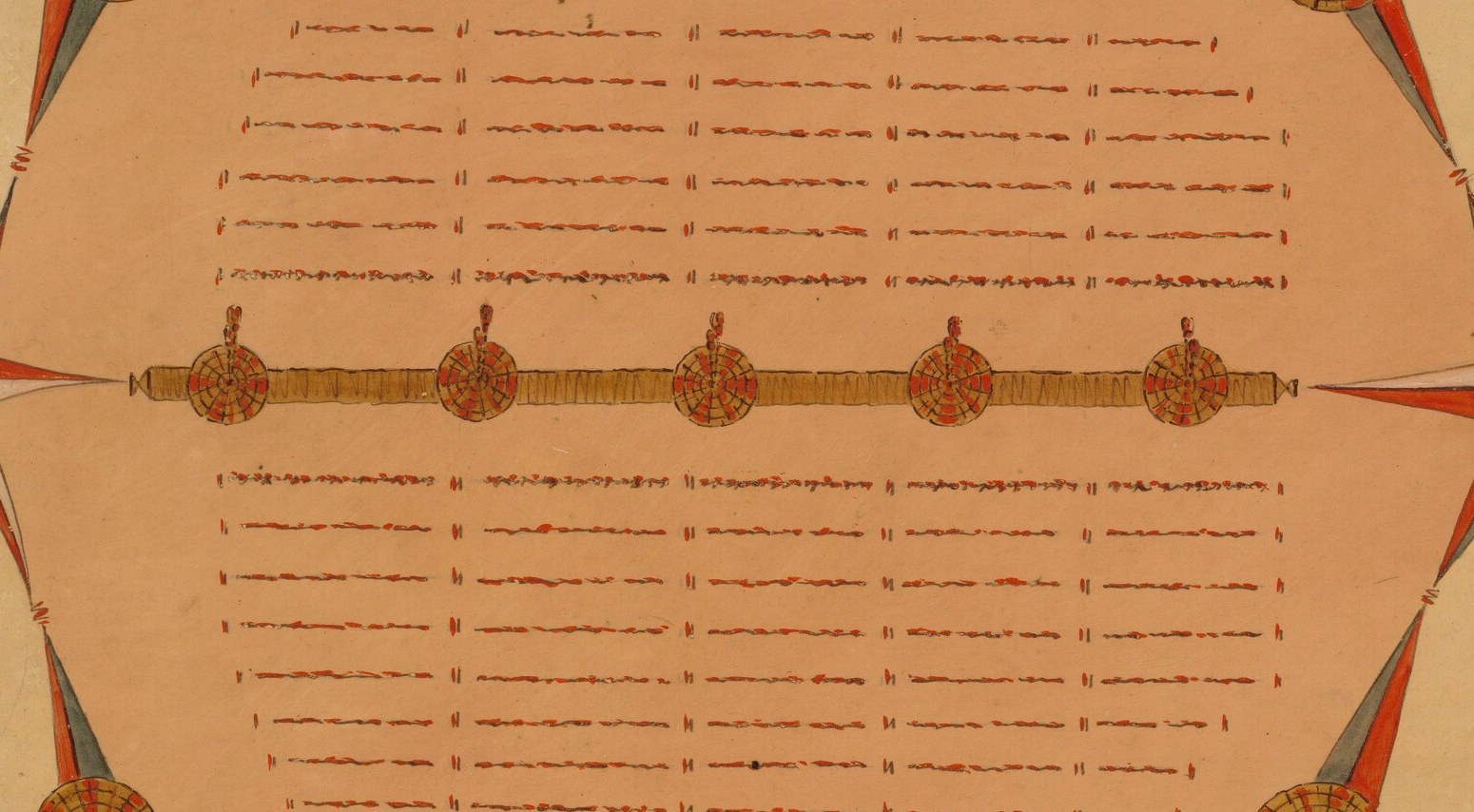
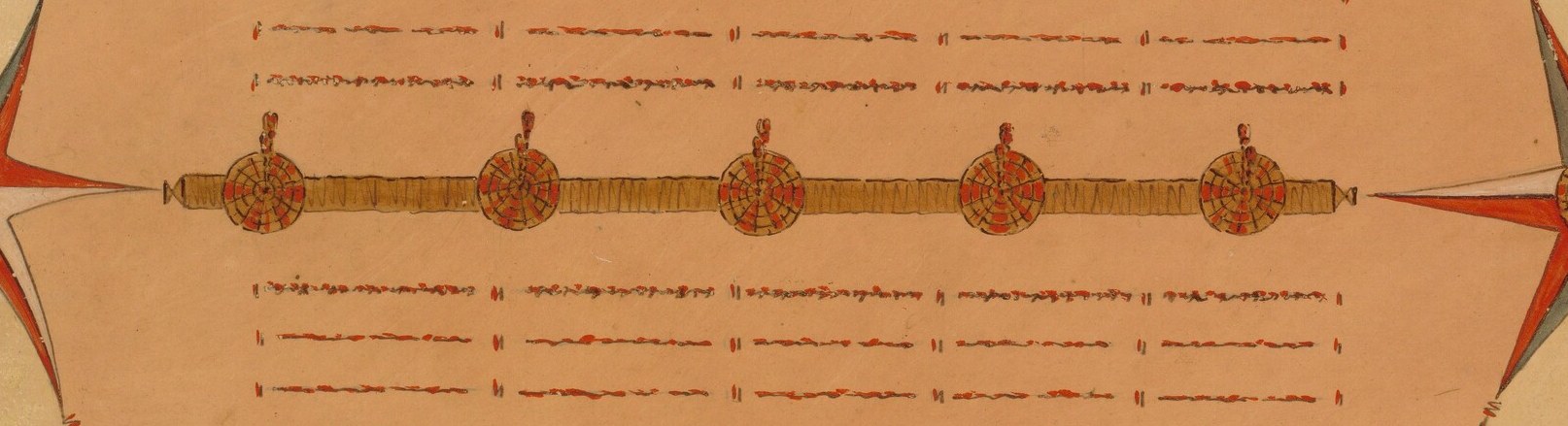
Observe the remarkable detail in the robe's design. The central patterns and geometric shapes are rendered with precision, highlighting the original porcupine quillwork. Catlin's brushwork captures the texture and complexity of these dyed, flattened quills, a testament to the artistry involved.
Catlin, a lawyer turned painter, dedicated his career to documenting Native American life in the American frontier. After years of painting portraits, he shifted to still-life depictions of cultural artifacts like this robe. His work served as an important visual record during a period of rapid change for Indigenous peoples.
What other cultural objects do you think are most important to preserve through art?
Details
Transcript
This is a painting of a Sioux ceremonial robe. It was painted by George Catlin in the 1860s. He recorded Native American life and objects. Look closely at the intricate patterns. These are porcupine quills, dyed and flattened. The quillwork was a vital art form, a marker of identity. Catlin preserved these visual records of a changing world.