The Annunciation and Expulsion from Paradise by Giovanni di Paolo
Giovanni di Paolo's "The Annunciation and Expulsion from Paradise," created around 1435, uniquely combines two pivotal biblical narratives within a single artwork, inviting contemplation on humanity's fall from grace and the subsequent divine promise of salvation.
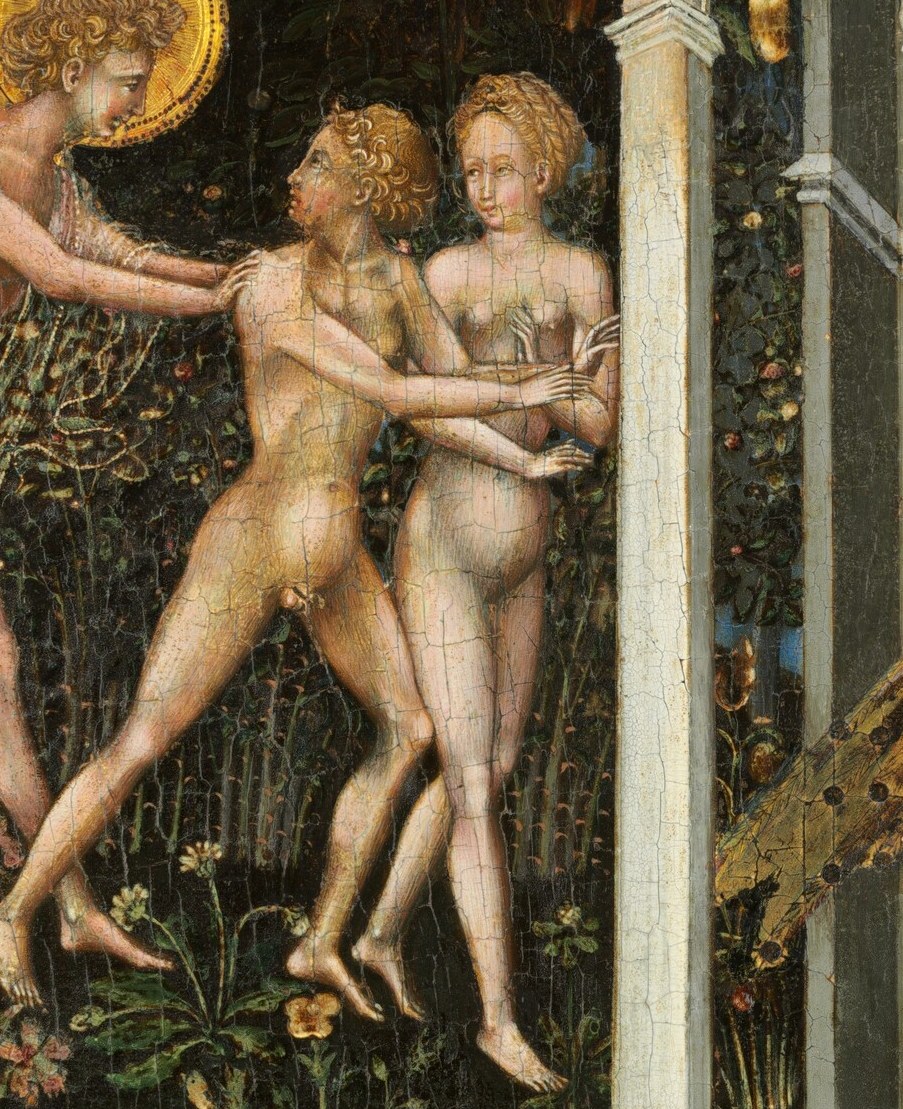
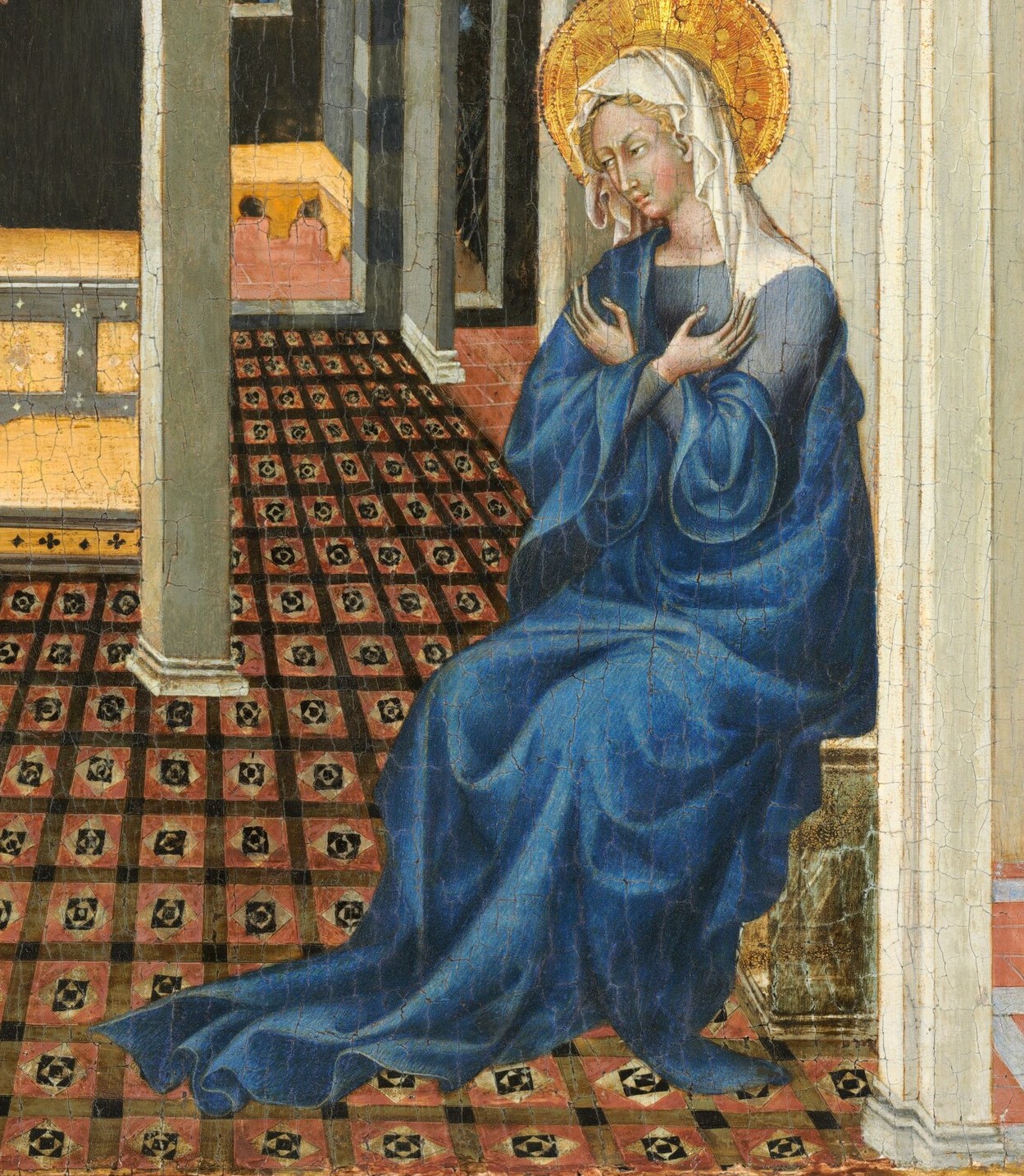
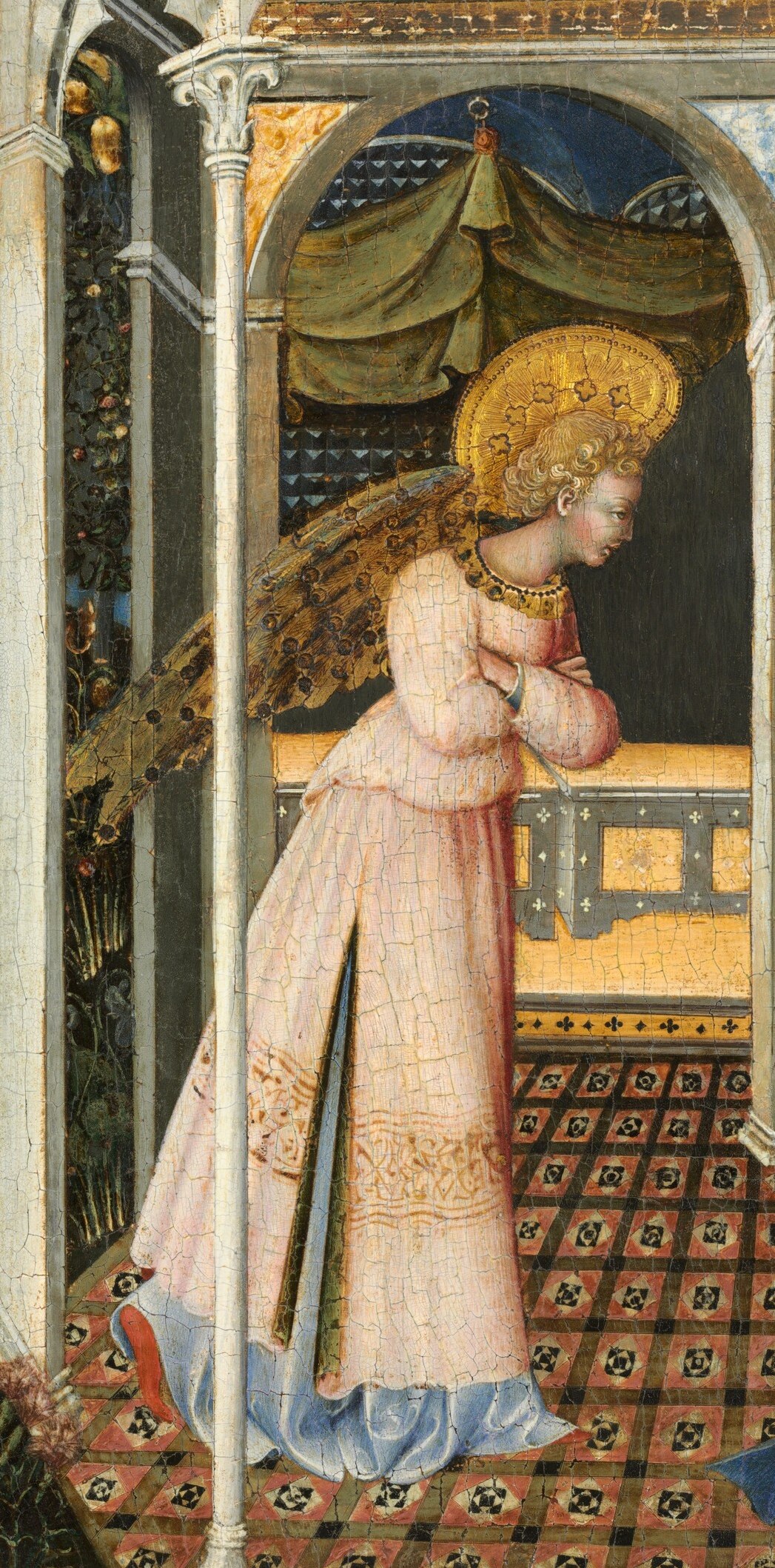
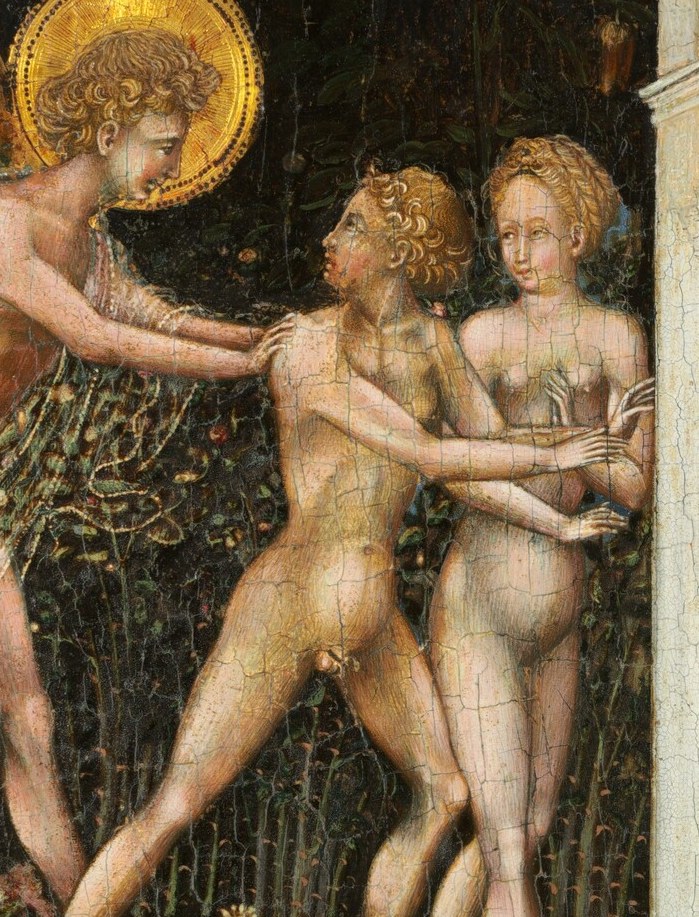
The painting is visually divided to depict these distinct episodes. On the left, Adam and Eve are shown being guided out of a verdant Garden of Eden by the Archangel Michael, highlighting their pain and shame. In contrast, the right side illustrates the Annunciation, where the Virgin Mary kneels before the angel Gabriel within an architectural setting, symbolizing the divine announcement of Christ's coming and the hope for redemption.
Executed in tempera on panel, this work showcases Giovanni di Paolo's characteristic precision. His skill is evident in the intricate rendering of details, from the varied flora of the Garden of Eden to the elaborate patterns on the figures' attire. The careful application of color and thoughtful composition contribute to a sense of narrative coherence across the painting's dual scenes.
This piece powerfully illustrates how early Renaissance artists could weave complex theological ideas into a single, compelling image. What details do you find most striking in its rich narrative?
Details
Transcript
This painter tells two biblical stories, side by side. On the left, Adam and Eve are expelled from Eden. Their bodies are intertwined, expressing deep shame and distress. On the right, Mary receives the Annunciation. Her clasped hands and bowed head convey humility and acceptance. The expulsion shows humanity's fall, the annunciation, salvation. This painting, made in 1435, connects these two moments in time.