Untitled by Tang Yin
In 1508, the Chinese painter Tang Yin made a radical decision. He left most of the paper blank.
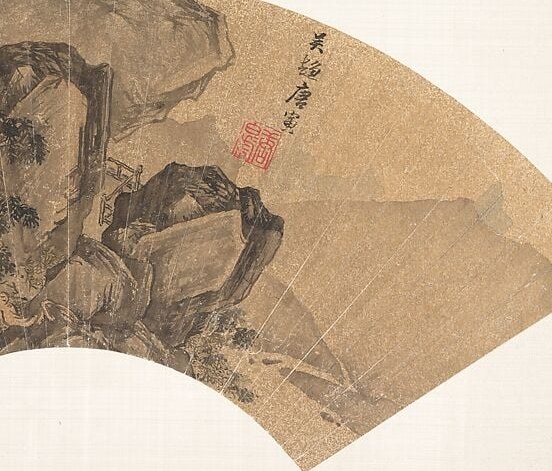
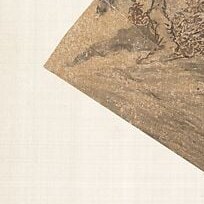
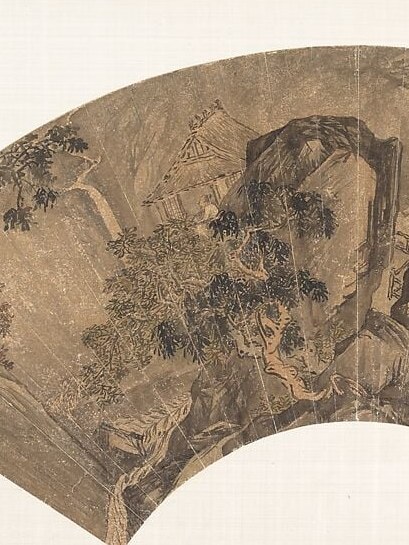
The scroll, simply titled Untitled, is an ink-on-paper handscroll that depicts a quiet river landscape with bare trees, rocky banks, and a single drifting boat. But the water itself is never painted. Neither is the sky. Tang Yin let the raw paper surface do the work, creating an expanse that reads as mist, distance, and stillness all at once. The tiny boat with its reclining figure reinforces the scale: a human being nearly swallowed by quiet.
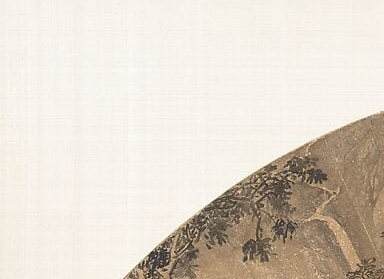
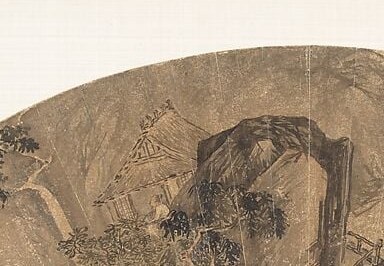
What is painted is painted with terrifying precision. The bare branches above the rocky bank are built from single brush pulls on absorbent paper. No sketching, no correcting. One chance per twig. The gnarled tree trunk uses layered dry-brush strokes to mimic weathered bark, a texture visible only on close inspection. Even the distant mountains dissolve into the paper with dilute washes that barely register as marks.
Tang Yin (1470-1524) was one of the Four Masters of the Ming dynasty, a scholar-painter whose life was marked by scandal and poverty after a wrongful expulsion from the imperial exams. He supported himself by selling paintings, often inscribing them with poems that hinted at his bitterness and his retreat from worldly ambition. This scroll, with its embrace of emptiness, reads as an argument: that less attention, not more, is the route to depth.
What do you make of all that untouched paper?
Details
Transcript
More than half of this painting is untouched. No water. No sky. Just the paper itself. Tang Yin painted this in 1508, when most artists filled every inch. He bet that emptiness would feel bigger than any mountain. Now look at the branches. Each twig is a single brush pull. No correction possible on this paper. The boat holds one small figure. The rest is silence.