Landscapes in Various Styles after Old Masters by Mei Qing
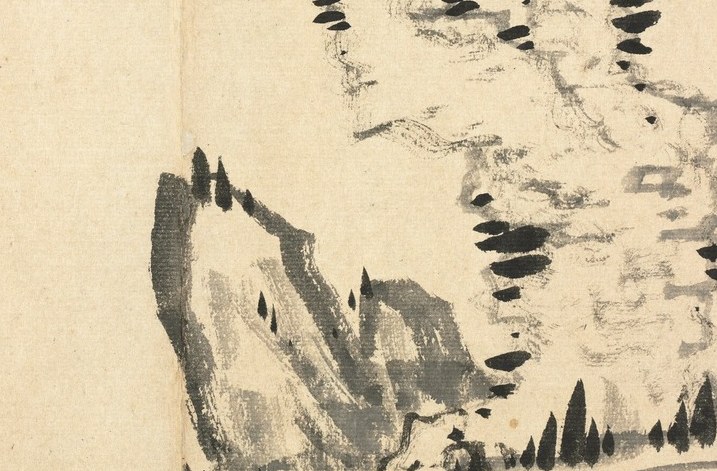
Mei Qing, a prominent Qing Dynasty artist, created "Landscapes in Various Styles after Old Masters" in 1696. This work showcases his extraordinary command of ink wash and brushwork, transforming simple strokes into intricate textures.
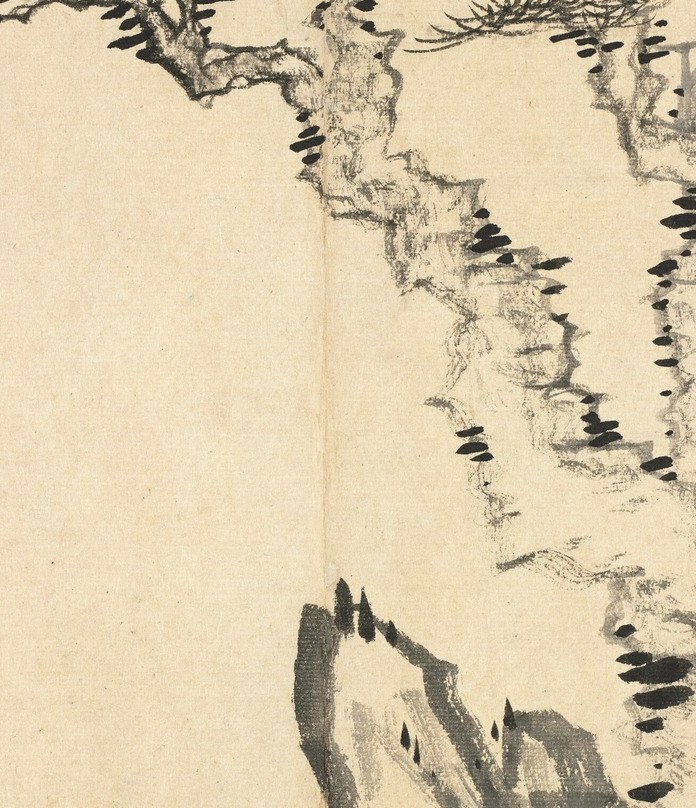
Look closely at the gnarled trunk and delicate needles of the pine tree, standing resilient on the rocky incline. The artist's precise yet expressive lines bring the natural forms to life, giving them a tangible sense of age and character.
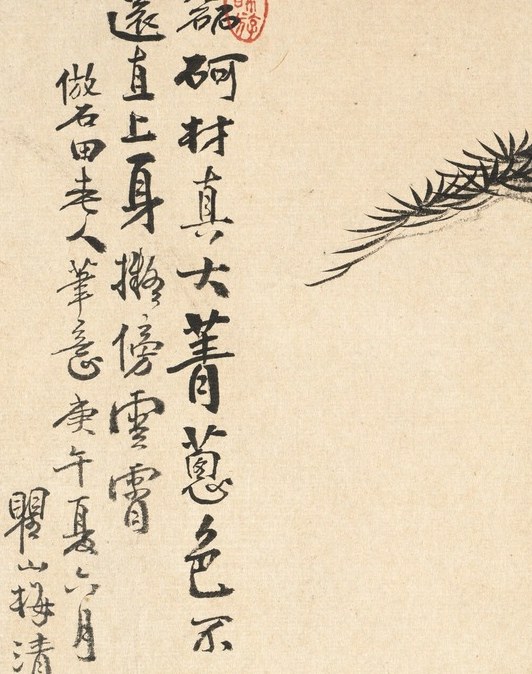
Mei Qing, also a celebrated calligrapher and poet, developed his unique style through extensive journeys to the Yellow Mountain. His artistic lineage included tutelage under Wang Meng, and he shared a significant artistic dialogue with his friend Shitao. This painting, now held in The Cleveland Museum of Art, is a testament to his versatility and vision.
What details in this ancient landscape draw your eye the most?
Details
Transcript
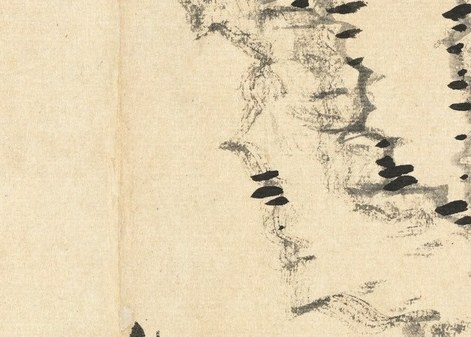
This painter was a master of Chinese ink wash. He built up textures with seemingly simple strokes. Notice the gnarled bark of this pine tree. Every line and blotch suggests age and resilience. His distinctive style came from travels to Yellow Mountain. He was also a poet and calligrapher, as seen here.