The Highland Family by David Wilkie
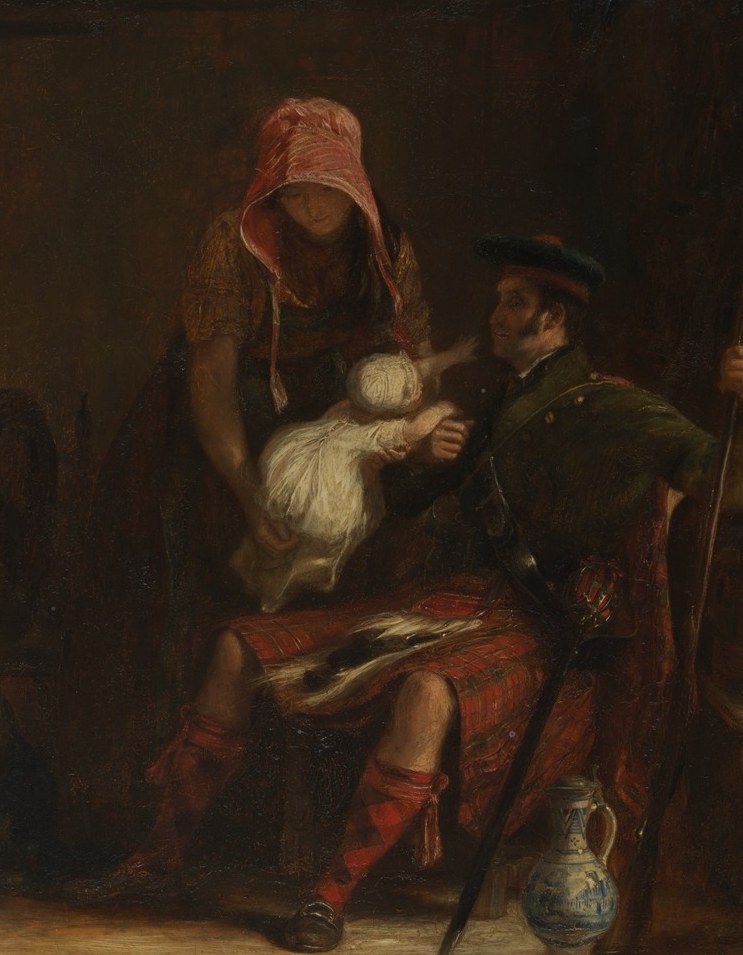
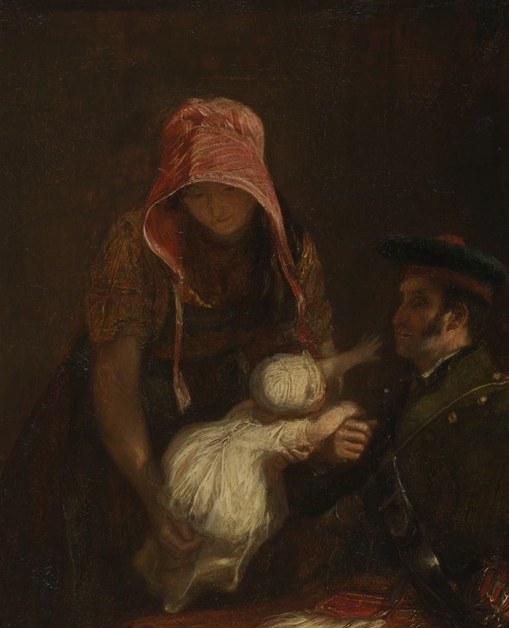
David Wilkie’s “The Highland Family” (1824, Metropolitan Museum of Art) is not just a dimly lit genre scene. It is a carefully assembled argument, painted in a code that its first viewers understood at a glance.
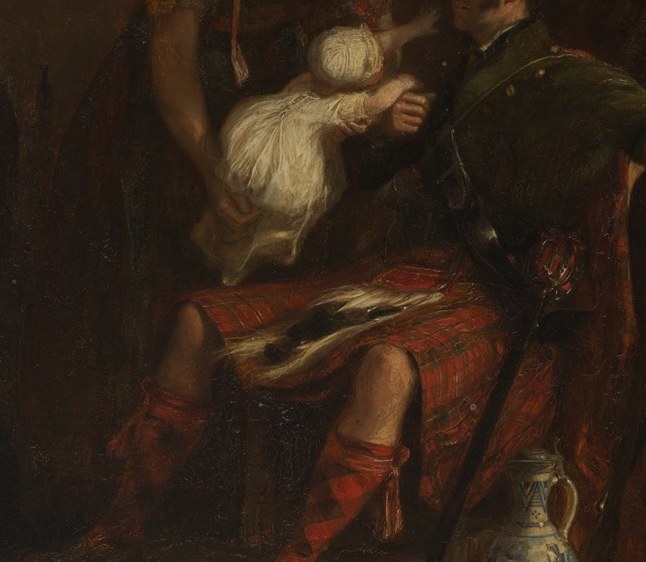
Look at the father’s tartan kilt. Only a year before this was painted, King George IV staged an elaborately theatrical visit to Edinburgh, appearing in full Highland regalia. The kilt, long suppressed after the Jacobite risings, was suddenly reclaimed as a loyal and romantic British symbol. Wilkie places it at the painting’s moral center.
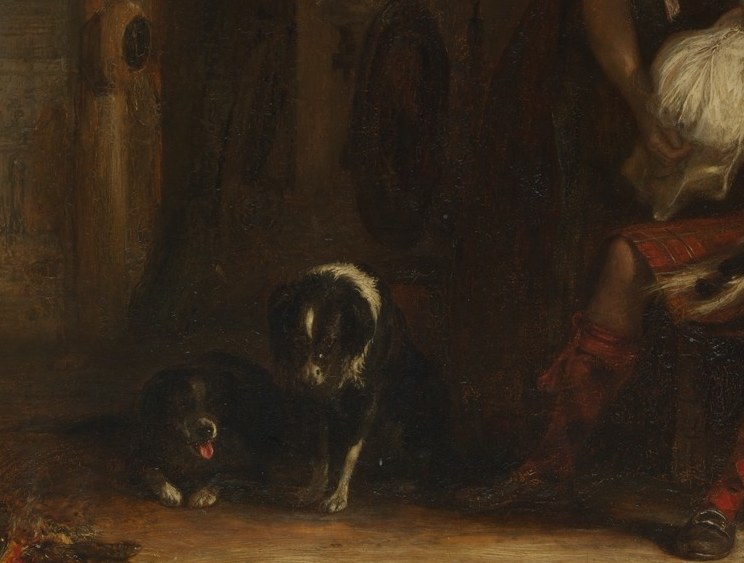
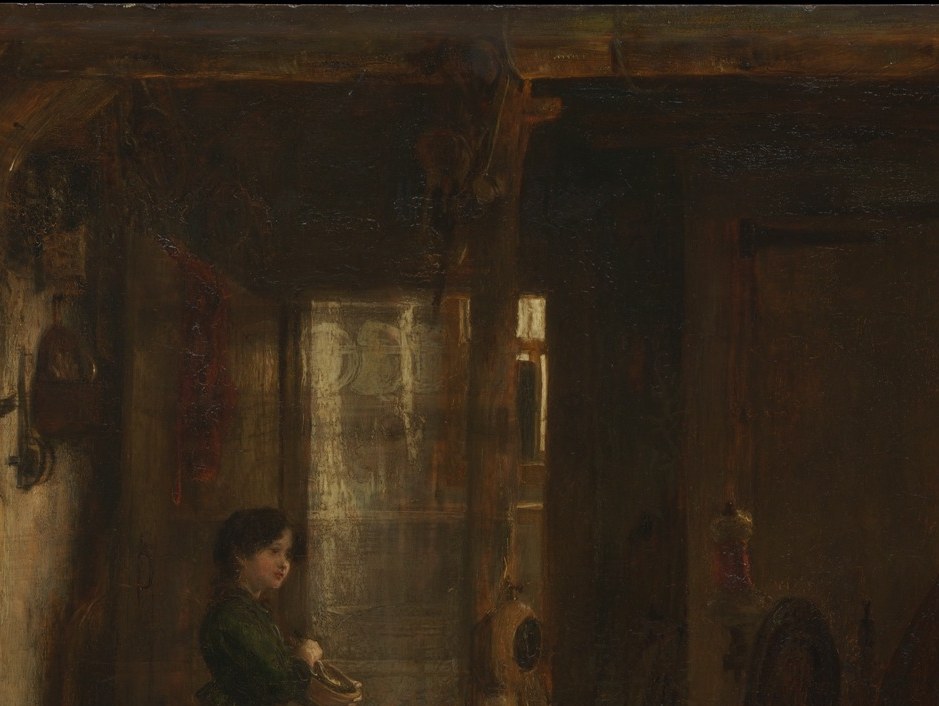
Then notice the collie dogs in the middle of the room. They are working animals, alert and useful, not decorative pets. Together with the rough stone walls and the simple hearth, they define a domestic world built on fidelity, labor, and modesty.
Wilkie, a Scot working in London, was known as “the people’s painter.” Here he makes a quiet political case: the character of the nation is shaped in humble, honest homes like this one, not in drawing rooms. The dim light feels like a shelter from a noisier world.
Details
Transcript
At first glance, a family in a dim, humble room. But every detail here was a signal to 1824 Britain. The father's tartan kilt. One year earlier, George IV visited Edinburgh in full Highland dress. Overnight, the kilt became a symbol of loyal, romantic Scotland. The collie dogs. A working breed, not a lapdog. Fidelity and honest labor. The rough stone walls and simple hearth. A deliberate argument against urban corruption. The entire code adds up to one idea: the moral health of the nation lives in homes like this.