Flora by Rembrandt

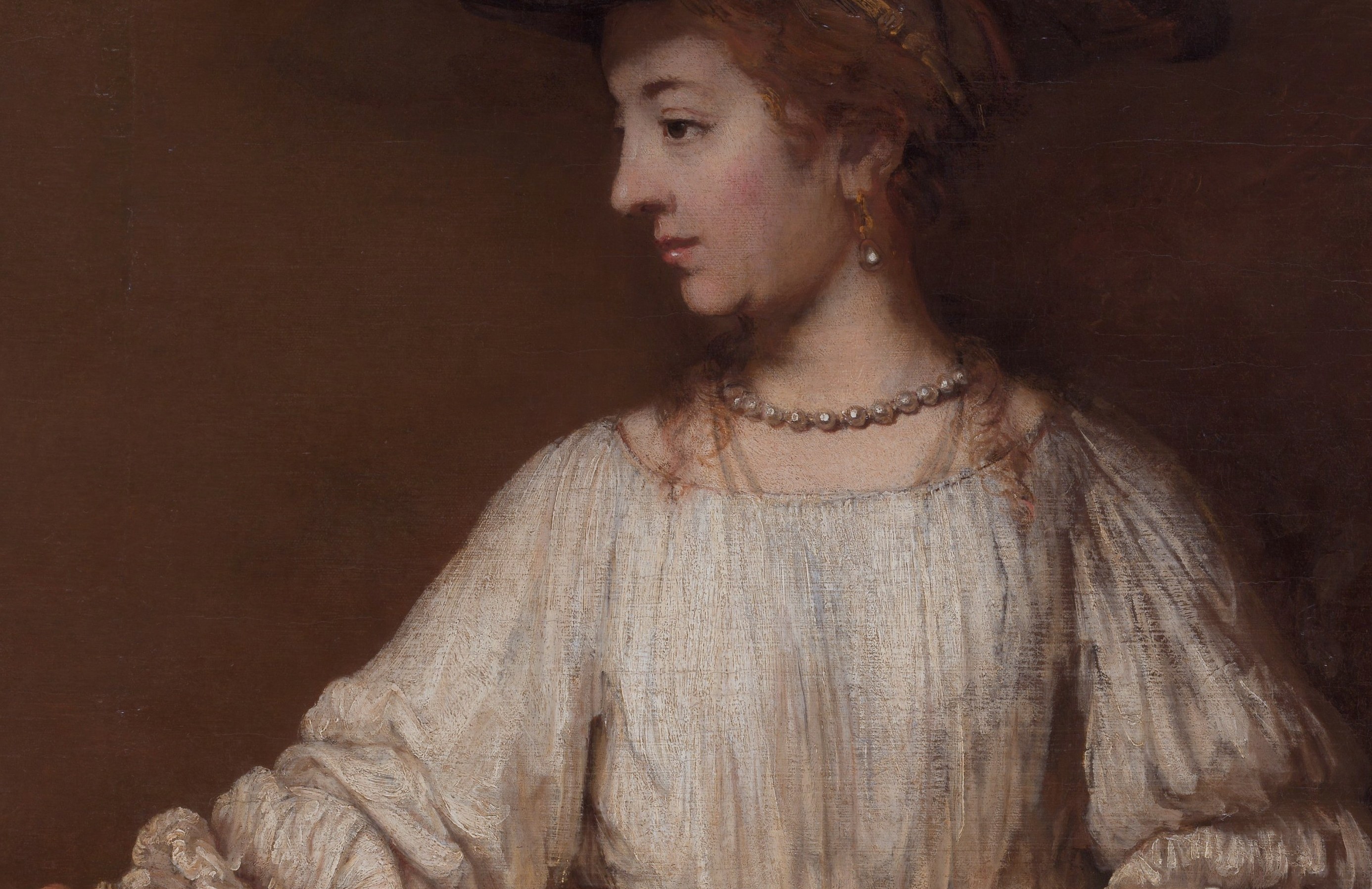
Rembrandt’s Flora, c.1654, hangs in the Met. He painted the Roman goddess as a quiet homage to his late wife Saskia, whose features echo in the portrait.

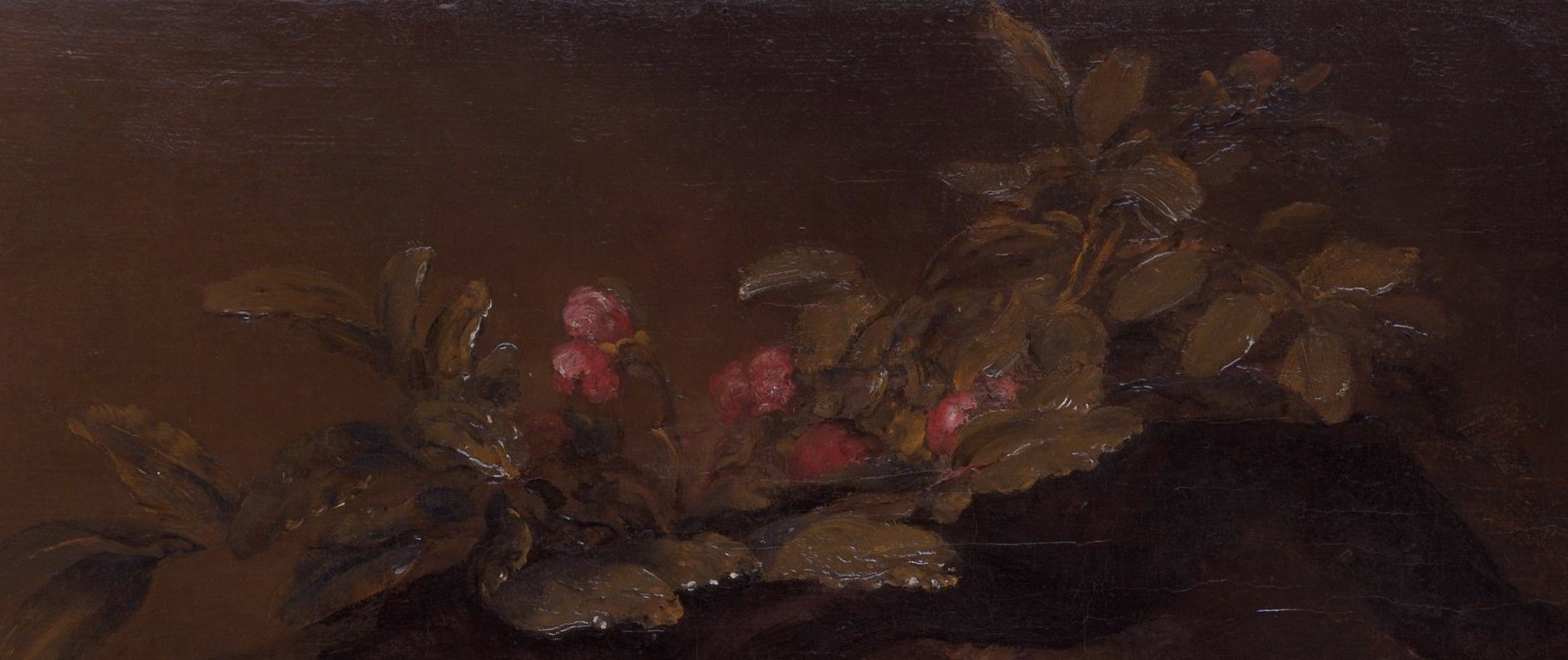
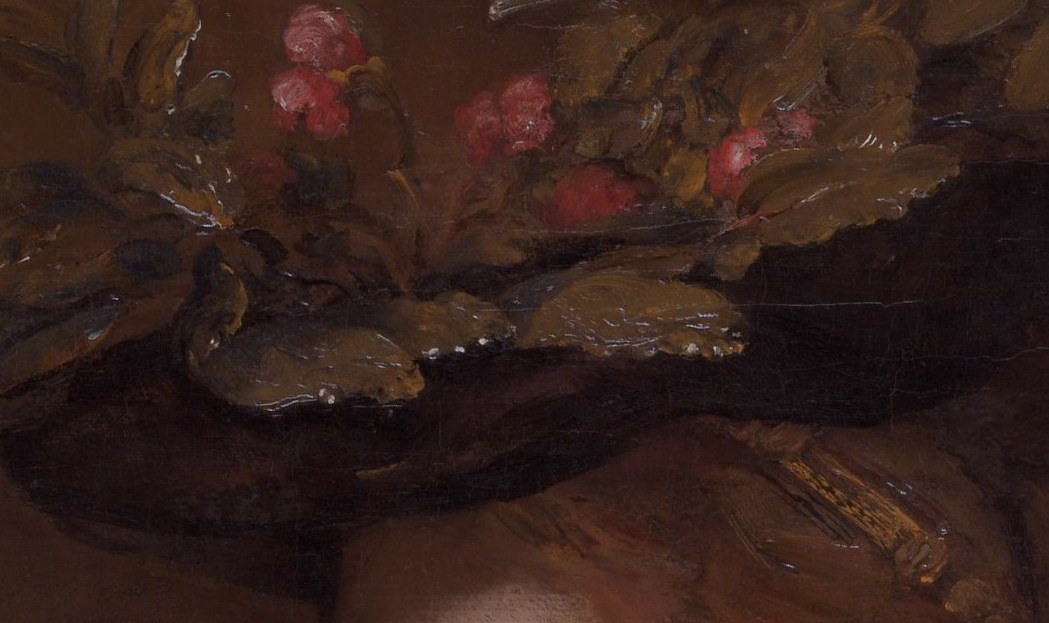
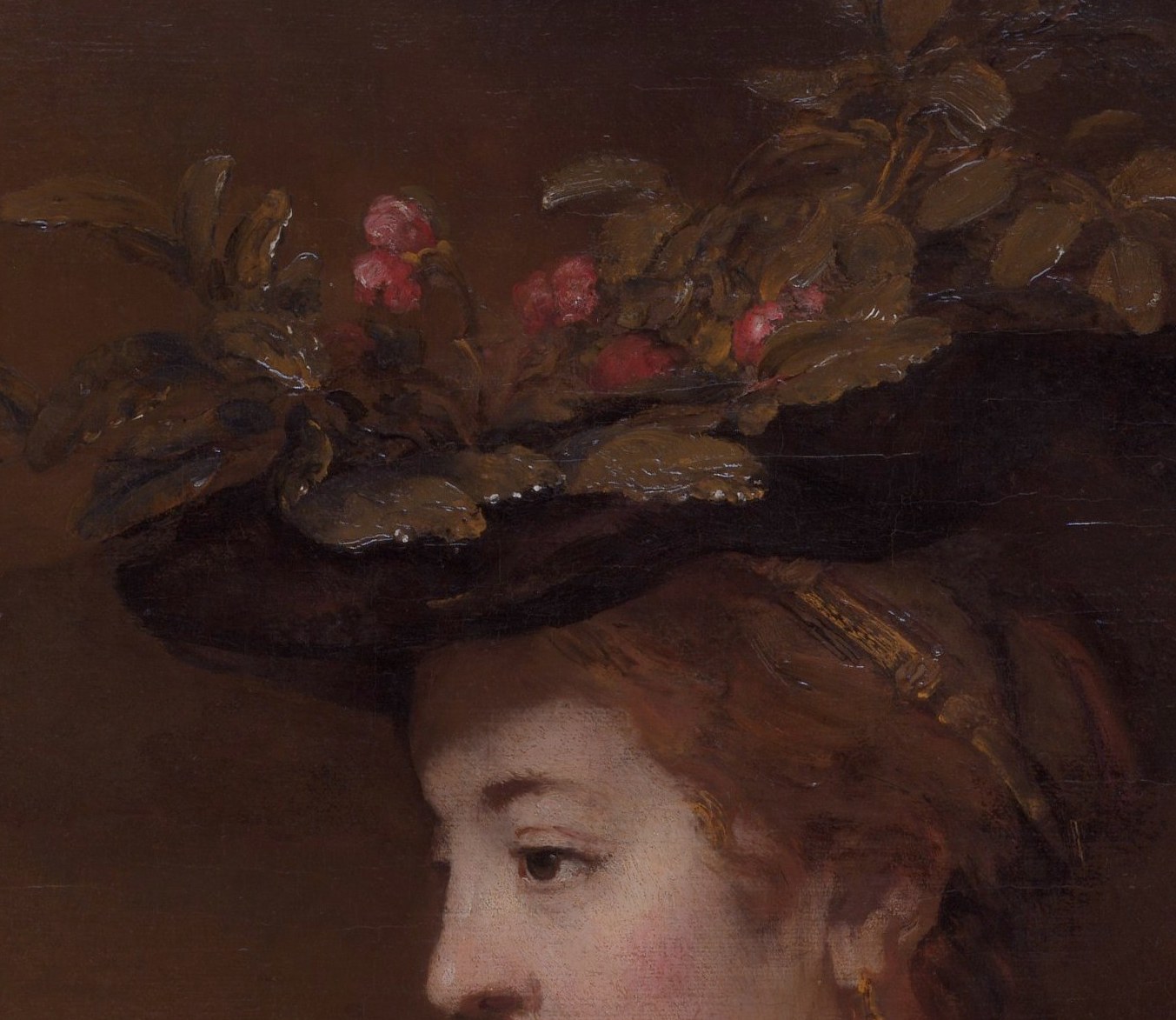
Notice the delicate flower crown and the hand holding fresh blossoms, symbols of spring and fertility. The soft glow on her face and the impasto texture of the hat band show Rembrandt’s late‑stage mastery of light and paint.

The canvas entered the museum in 1926, gifted by Archer M. Huntington in memory of his father. Though Rembrandt never traveled to Italy, he absorbed Titian’s mythological style through prints, adapting it with his own restrained palette.

The painting blends personal longing with classical myth, inviting us to wonder how memory shapes art.

#arthistory #Rembrandt

Details
Likely modeled on Saskia van Uylenburgh; the slightly downcast gaze and restrained expression carry the psychological intimacy Rembrandt never stripped from his mythological figures.
The dominant area of the canvas; Rembrandt's impasto is most extravagant here , paint applied in thick ridges that physically catch the light, making fabric texture tactile.
Her primary attribute as Flora, goddess of spring; the blooms are layered and paint-thick , close inspection reveals Rembrandt built the petals with loaded brushstrokes rather than drawn lines.
The tonally rich shadow background is not empty , Rembrandt built it in multiple glazes, and close inspection may reveal earlier compositional decisions or ground layers showing through.
The eyes do not meet the viewer , an unusual choice for a goddess portrait; this inwardness transforms a mythological type into a private, grieving meditation.
Transcript

Around 1654 Rembrandt painted this mythic portrait. She cradles a cluster of fresh blossoms. The flower crown echoes Titian’s mythological costumes. A soft light paints her thoughtful face. Impasto on the hat band reveals his brushwork. The work entered the Met in 1926 as a memorial gift.