Judgment of Paris by Antonio da Vendri
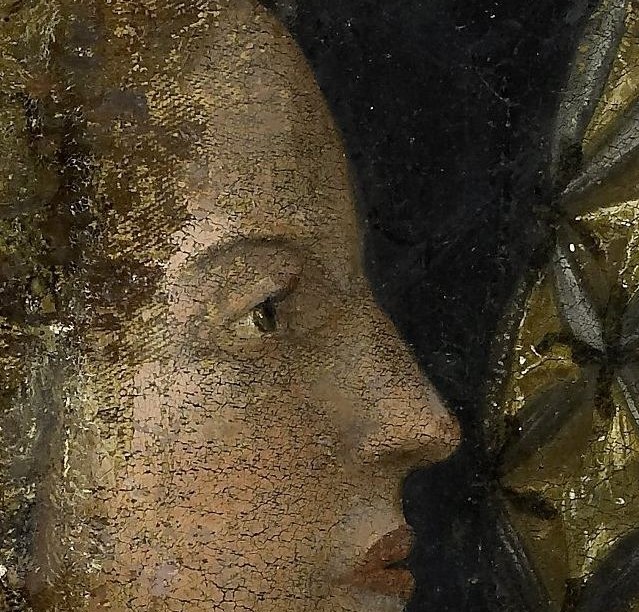
Antonio da Vendri, the artist behind *The Judgment of Paris* (1512), was not just a painter, but also a baker and a tailor in 16th-century Verona. This High Renaissance oil painting, now at the Rijksmuseum, depicts the pivotal myth where Paris must choose the most beautiful goddess.
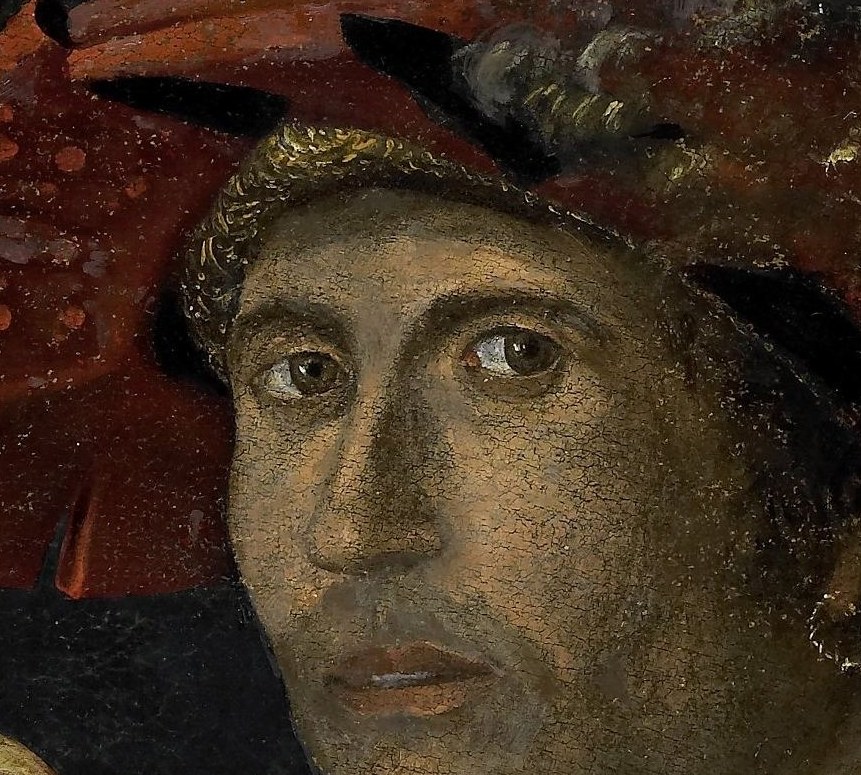
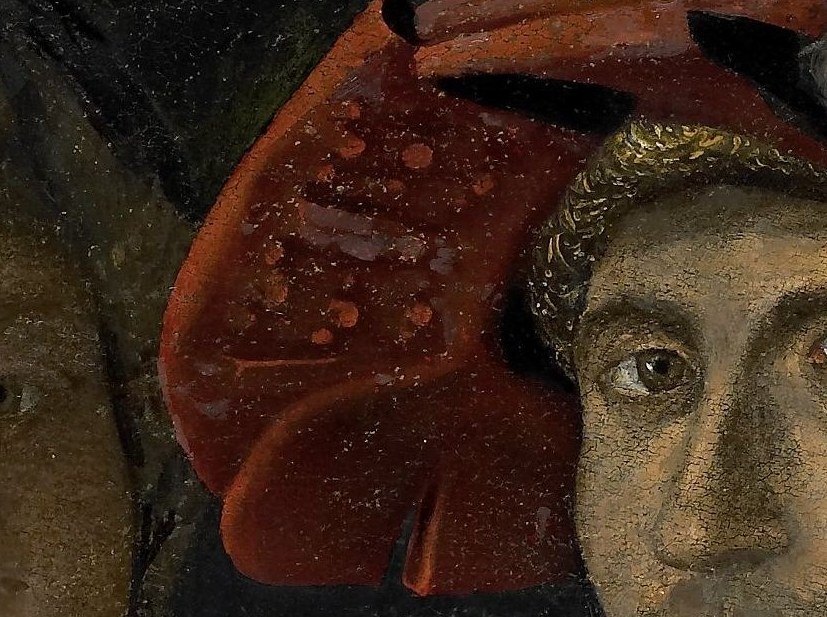
Look closely at Paris, identifiable by his red hat, holding the golden apple. The apple bears a faint inscription, 'PVLCHRIORI DE TRIBVE,' meaning 'to the fairest of the three.' His choice of Aphrodite over Hera and Athena famously sparked the Trojan War.
Vendri's ability to maintain parallel careers in different trades speaks to the multifaceted nature of artists during the Renaissance. While known for this mythological scene, he primarily received commissions for religious works, reflecting the dominant artistic demands of his time. What do you find most striking about this depiction of a crucial moment in mythology?
Details
Transcript
This painter was a baker, a tailor, and an artist. Antonio da Vendri worked three jobs in 16th-century Verona. Here, he depicts Paris, forced to choose the fairest goddess. Paris holds the golden apple, inscribed: 'to the fairest'. His choice of Aphrodite led directly to the Trojan War. Yet the painter was celebrated for religious commissions.