View of Haarlem from the Northwest, with the Bleaching Fields in the Foreground by Jacob van Ruisdael
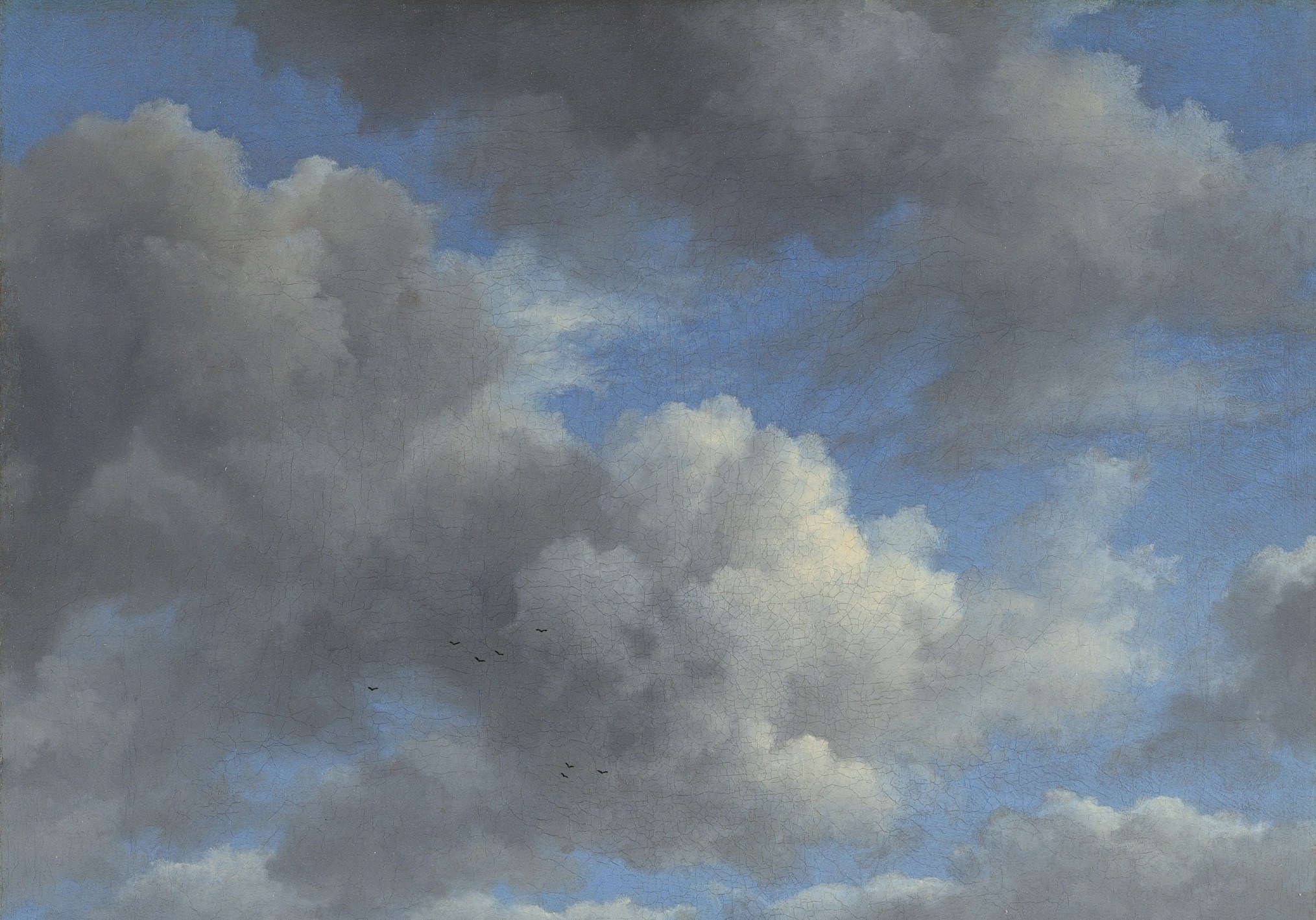
Jacob van Ruisdael's 'View of Haarlem from the Northwest, with the Bleaching Fields in the Foreground' (c. 1666) is a stunning example of Dutch Golden Age landscape painting, now held at the Rijksmuseum in Amsterdam.
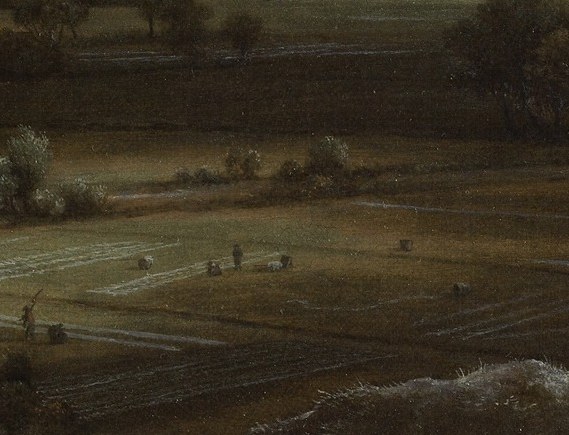
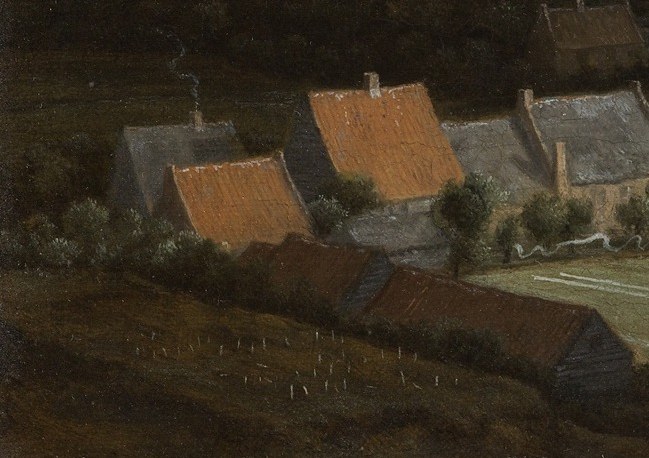
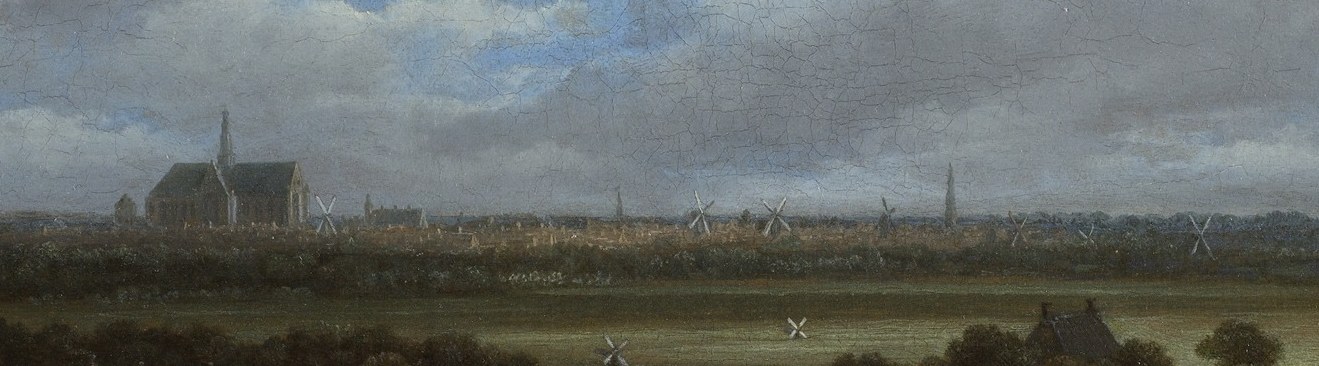
Look closely at the foreground: the bright white areas are linen fields, laid out to bleach in the sun, a key economic activity of the time. The distant Haarlem skyline, with its iconic church towers, anchors this expansive vista.
This painting had a long journey through private collections, first documented in 1842. In 1851, it achieved a notable price of 1750 florins at auction. Eventually, it found its permanent home when it was bequeathed to the Rijksmuseum in 1870, allowing generations to appreciate Ruisdael's masterful depiction of his homeland. It's a reminder of how art can transcend time and changing ownership, ultimately becoming a public treasure.
What details in the landscape draw your eye?
Details
Transcript
This panoramic view of Haarlem was painted around 1666. Its painter, Jacob van Ruisdael, was the pre-eminent landscapist of his time. Notice the bright patches: these are linen fields, laid out to bleach in the sun. The painting was in private hands for nearly two centuries. In 1851, it sold for 1750 florins, a significant sum then. It was bequeathed to the Rijksmuseum in 1870, where it remains.