Villas at Trouville by Gustave Caillebotte
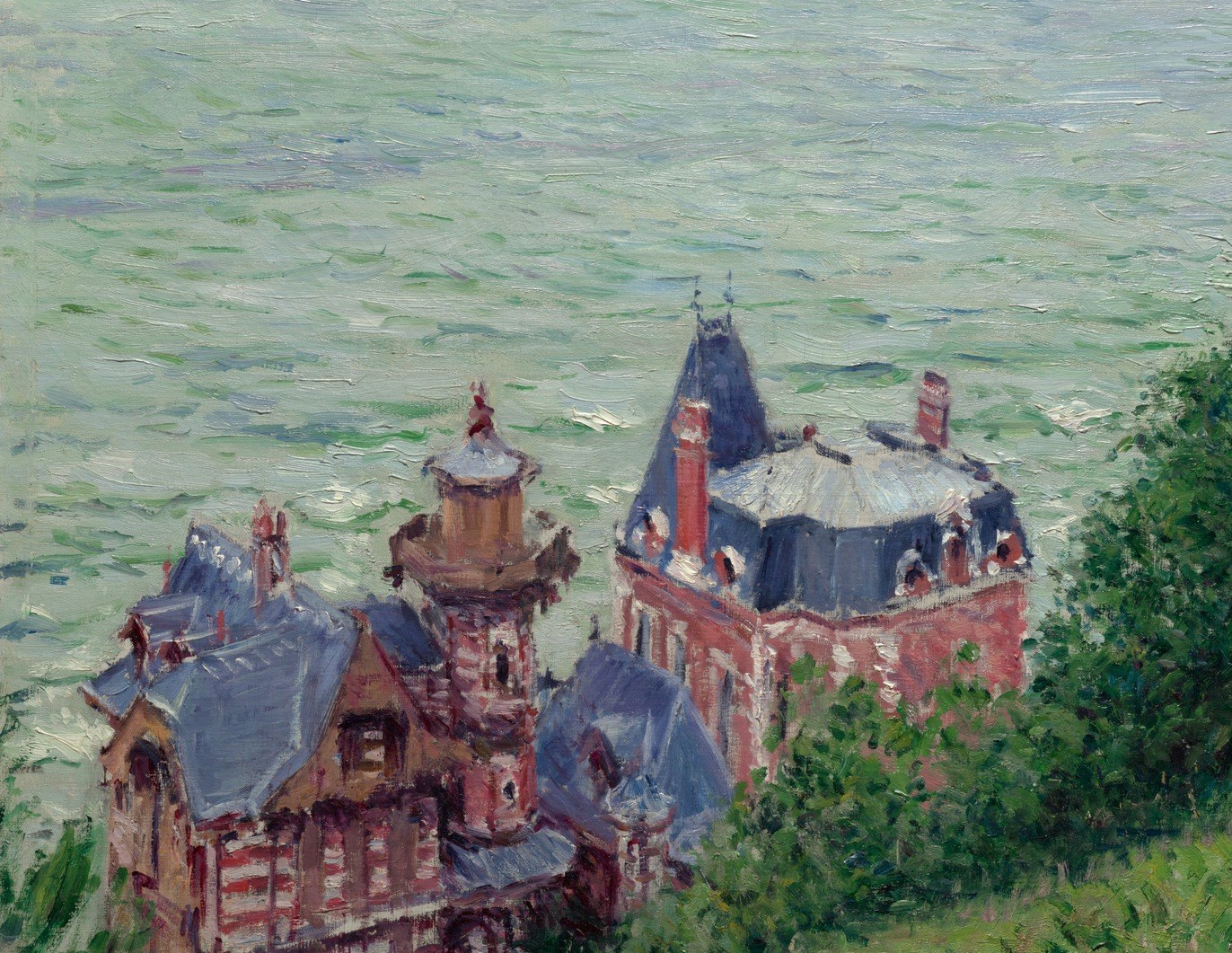
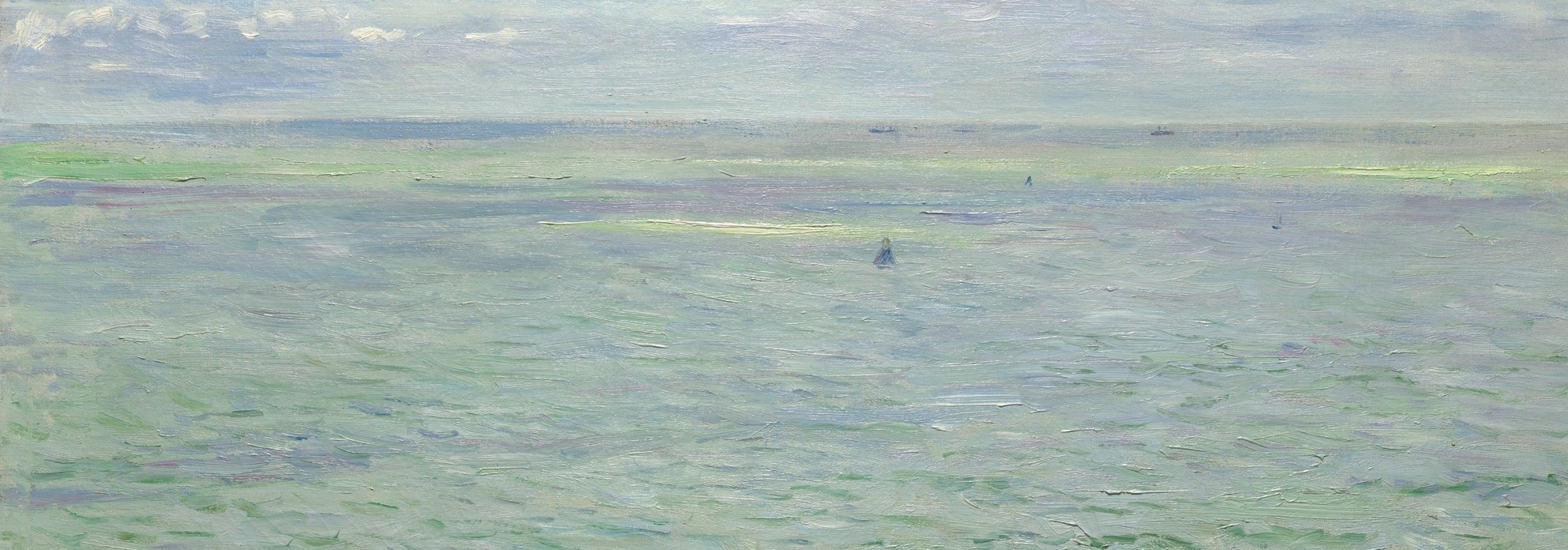
Gustave Caillebotte's 'Villas at Trouville' (1884) at the Art Institute of Chicago, captures a pivotal moment in French social history, when the wealthy began to colonize the Norman coast for summer retreats. This painting shows one of the grand villas built during the Belle Époque, standing majestically against the expansive sea.
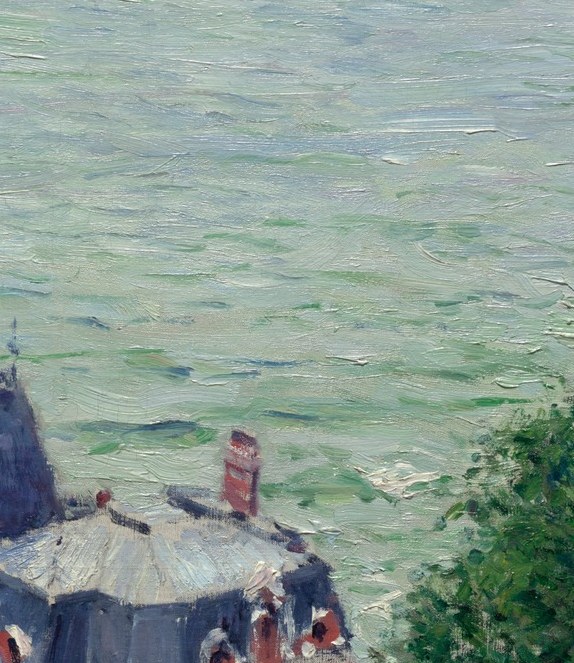
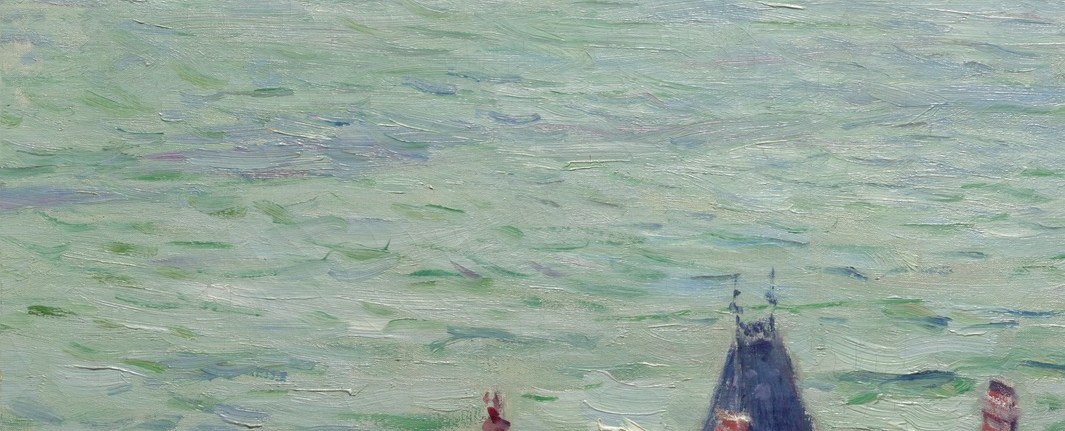
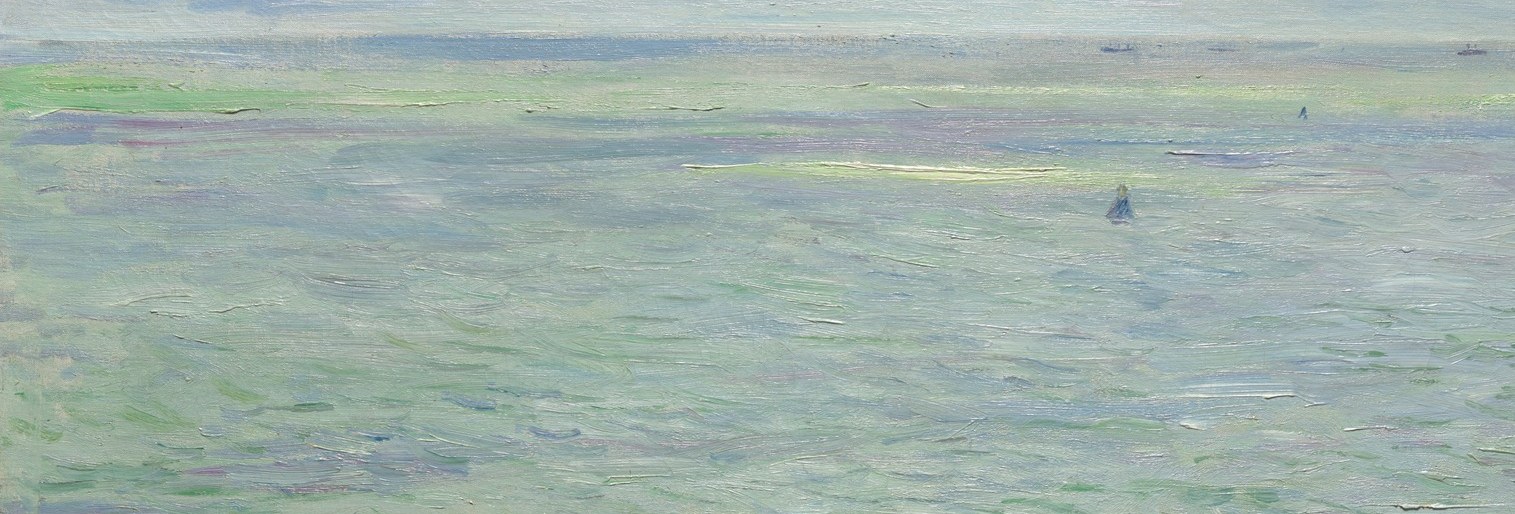
Notice the elaborate architecture of the villa, a stark contrast to the natural, wild beauty of the coast. Caillebotte, often associated with Impressionism, here blends his signature realism in the architectural details with a looser, more impressionistic style in the rendering of the sea.
Caillebotte himself was a wealthy patron of many Impressionist artists, though his own painting often exhibited a more precise, realistic touch. This work offers a fascinating glimpse into the nascent era of leisure travel and the transformation of the French coastline into a playground for the Parisian elite. What does this painting tell us about how people lived then?
This painting is a quiet witness to the changing landscape and society of 19th-century France.
Details
Transcript
Gustave Caillebotte captured the Belle Époque's new vacation life. This grand villa stands on the coast of Trouville, Normandy. Wealthy Parisians were building these seaside escapes in 1884. Its ornate architecture mixed with the wild coastal landscape. Look closely at the water: Caillebotte used loose, Impressionist strokes here. He was a patron of the Impressionists, but painted with more realism. This painting records a moment when France was changing.