Excavating a Canoe - Nayas Indians by Catlin, George
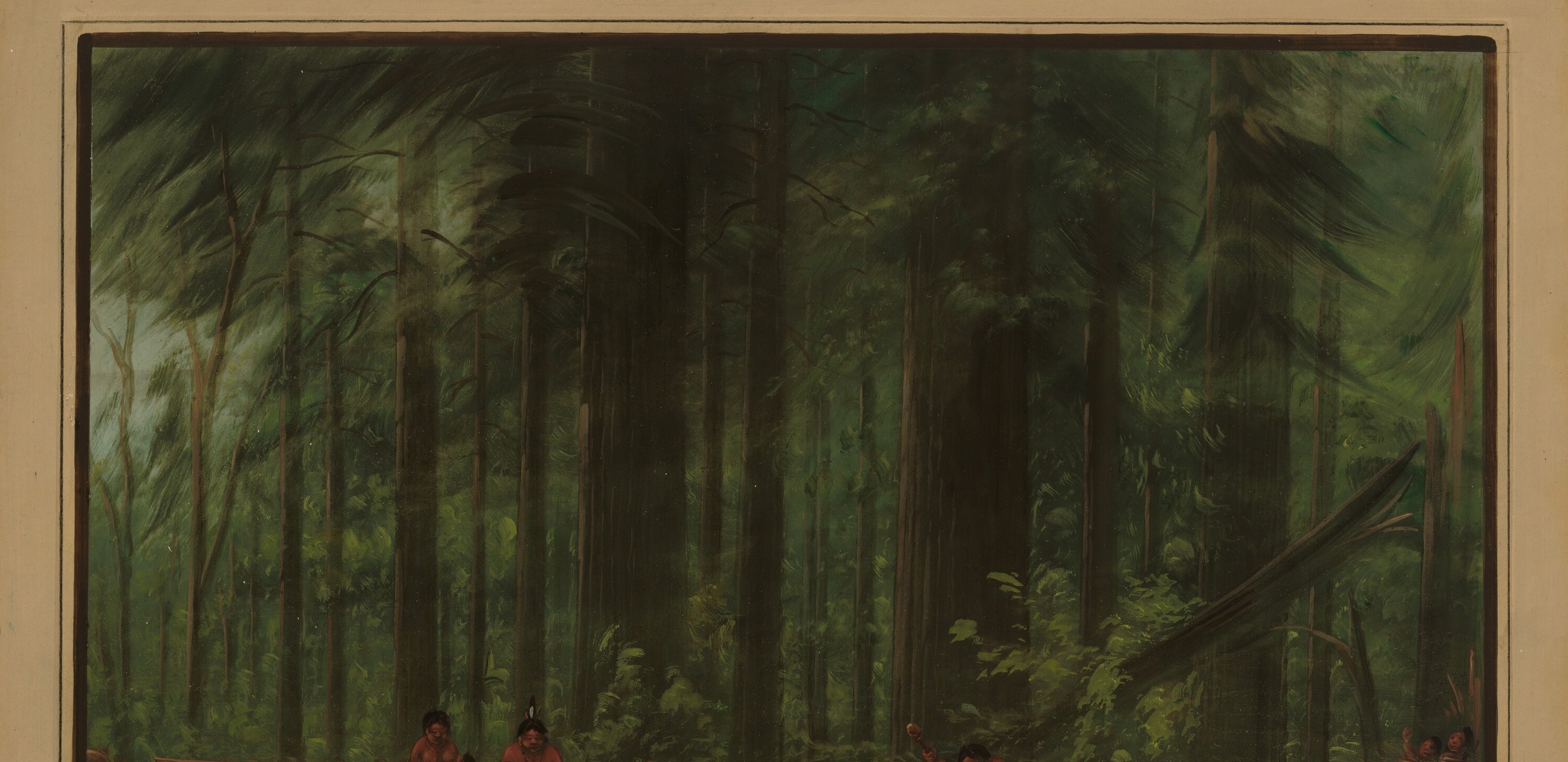
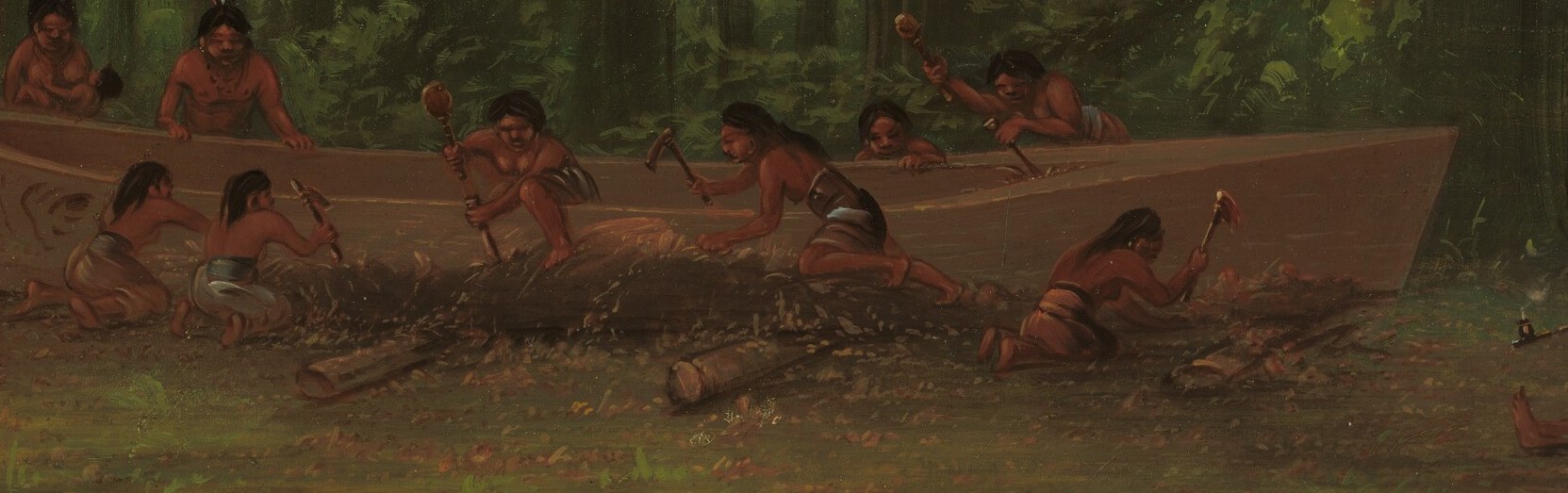
In "Excavating a Canoe - Nayas Indians," George Catlin captures a moment of communal labor and cultural practice. Painted between 1855 and 1869, this oil-on-card work, housed in the Smithsonian American Art Museum, reflects Catlin's dedication to documenting Indigenous cultures.
Look closely at the figures working together: a man carves the canoe while a woman holds a tool, highlighting the shared effort. Even a child watches intently, suggesting the passing down of vital skills and traditions across generations within the Nayas community.
George Catlin, originally a lawyer, embarked on extensive travels in the 1830s to document Native American life in the American West. His paintings, including this one, serve as invaluable historical records of frontier life and Indigenous practices, preserving moments that might otherwise have been lost.
This painting invites us to appreciate the intricate details of daily life and the collaborative spirit of the Nayas people, seen through the eyes of an early chronicler.
Details
Transcript
George Catlin, a lawyer, felt called to document Native American life. He traveled extensively, painting scenes like this in the 1830s. Here, Nayas people work together to carve a canoe from a tree. Every hand helps, from shaping the wood to watching the process. A child observes, learning the skills passed down through generations. Catlin’s work became a historical record of their daily lives.