Colonel William Fitch and His Sisters Sarah and Ann Fitch by Copley, John Singleton
This is John Singleton Copley's Colonel William Fitch and His Sisters Sarah and Ann Fitch, painted around 1800 and now in the collection of the National Gallery of Art. Copley was the most celebrated portraitist in colonial America, but he left Boston for London just before the Revolution and never quite recaptured that dominance.
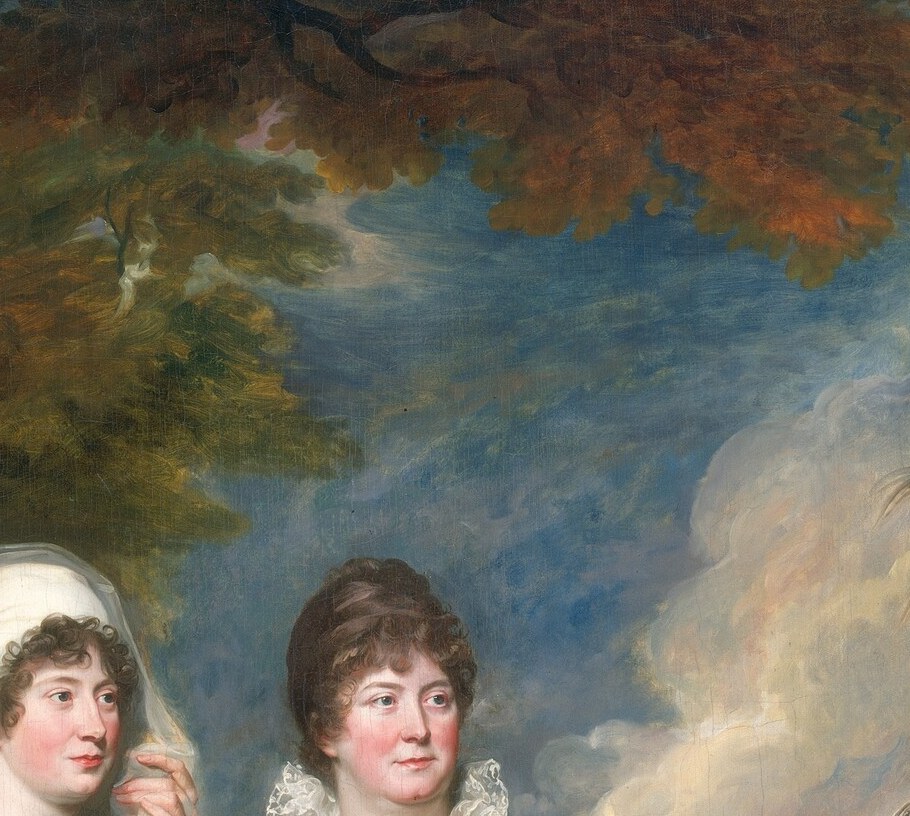
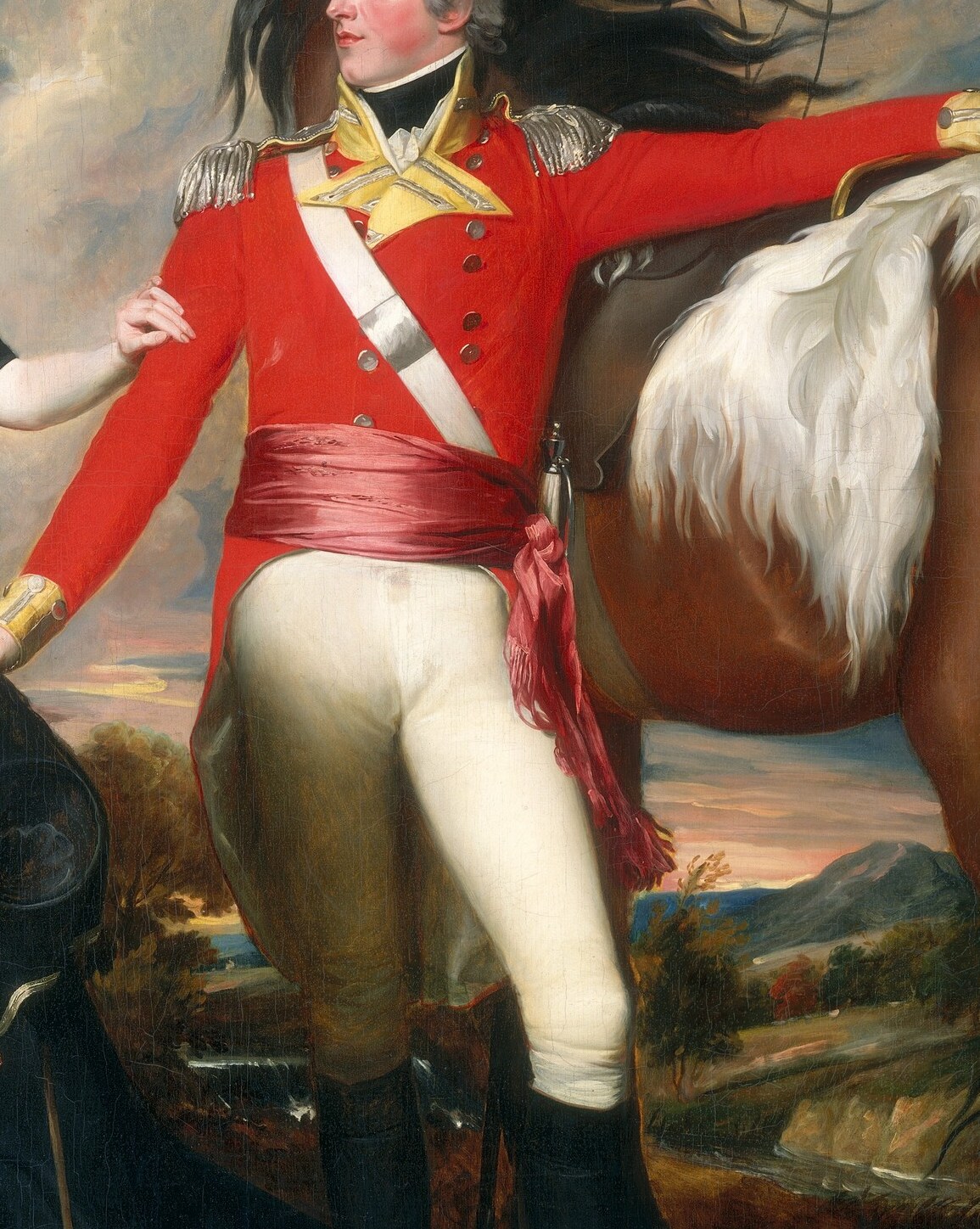
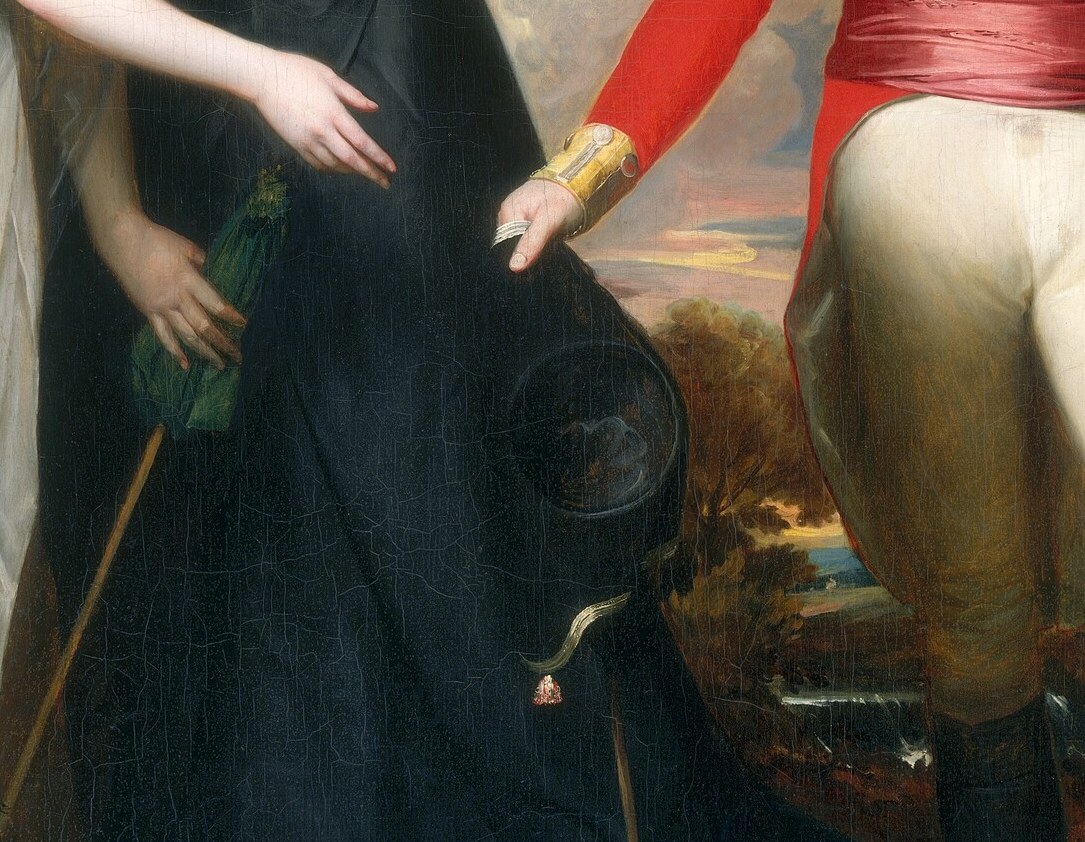
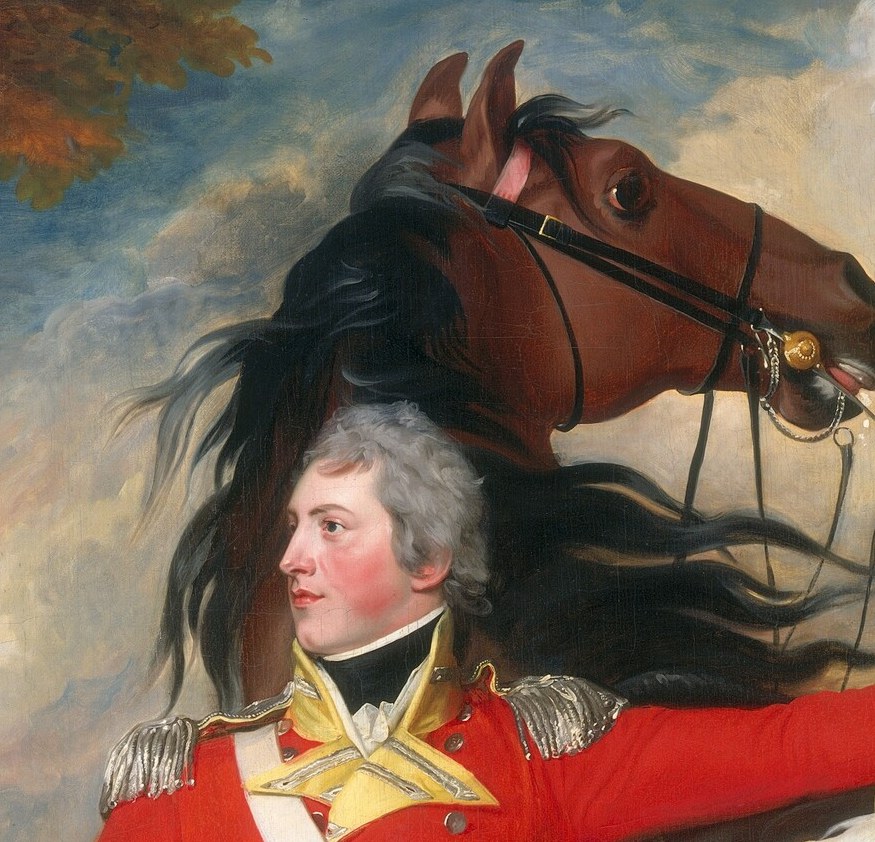
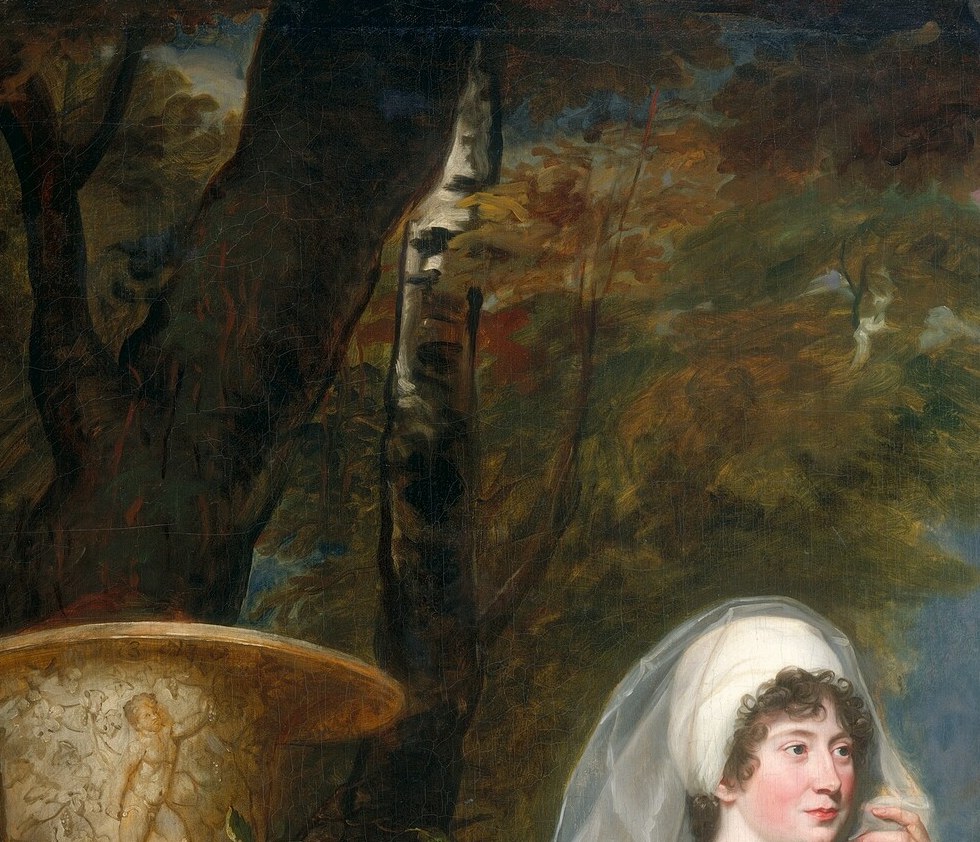
Look at the linked hands at the center of the composition. The three siblings touch physically across the canvas, and Copley uses that connection as the painting's emotional anchor. The colonel's scarlet regimentals with gold epaulettes anchor one side, while the white gown and veil of his sister on the left anchor the other. Their faces are distinct, specific likenesses, not studio types.
Copley priced this picture higher than any work he had ever offered, staking his reputation on a grand-scale group portrait at a moment when his career felt precarious. The Fitch family commissioned it as a statement of their own standing, and Copley delivered a canvas designed to stop a room.
He never managed another on this scale. He died in London in 1815, remembered more in America than in the country where he spent his final decades. The painting stayed quietly in private hands for generations before entering the museum.
What do you notice first when you see the three of them together?
Details
Transcript
The painter was once America's most famous. But by 1800 his reputation was declining. So he bet everything on a new kind of picture. He posed a colonel with his two sisters. The scarlet coat tells you he paid for the canvas. Their linked hands insist this family holds together. Copley priced it above any portrait he'd ever sold. He died before he could repeat the trick.