The Japanese Footbridge by Monet, Claude
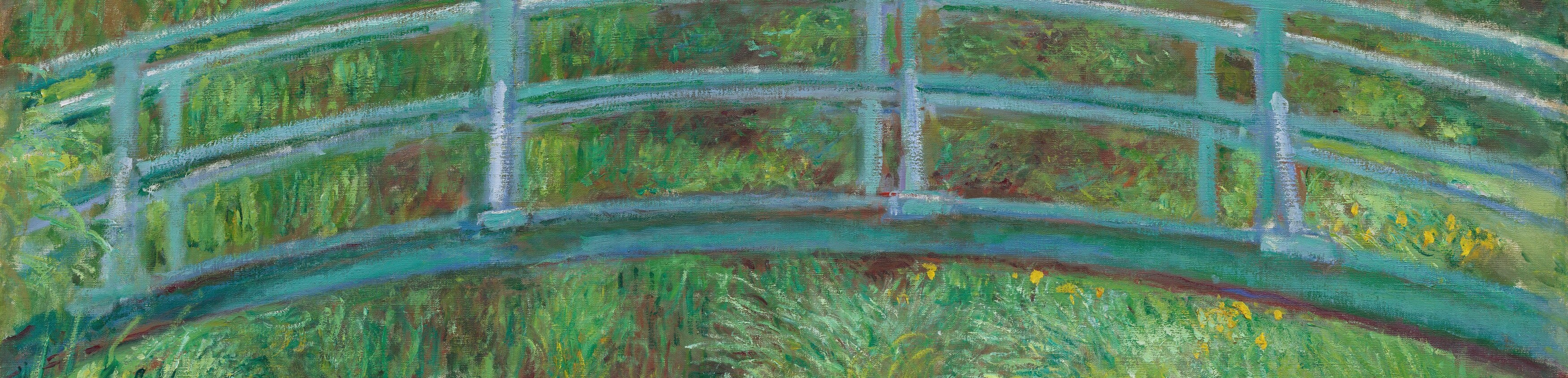
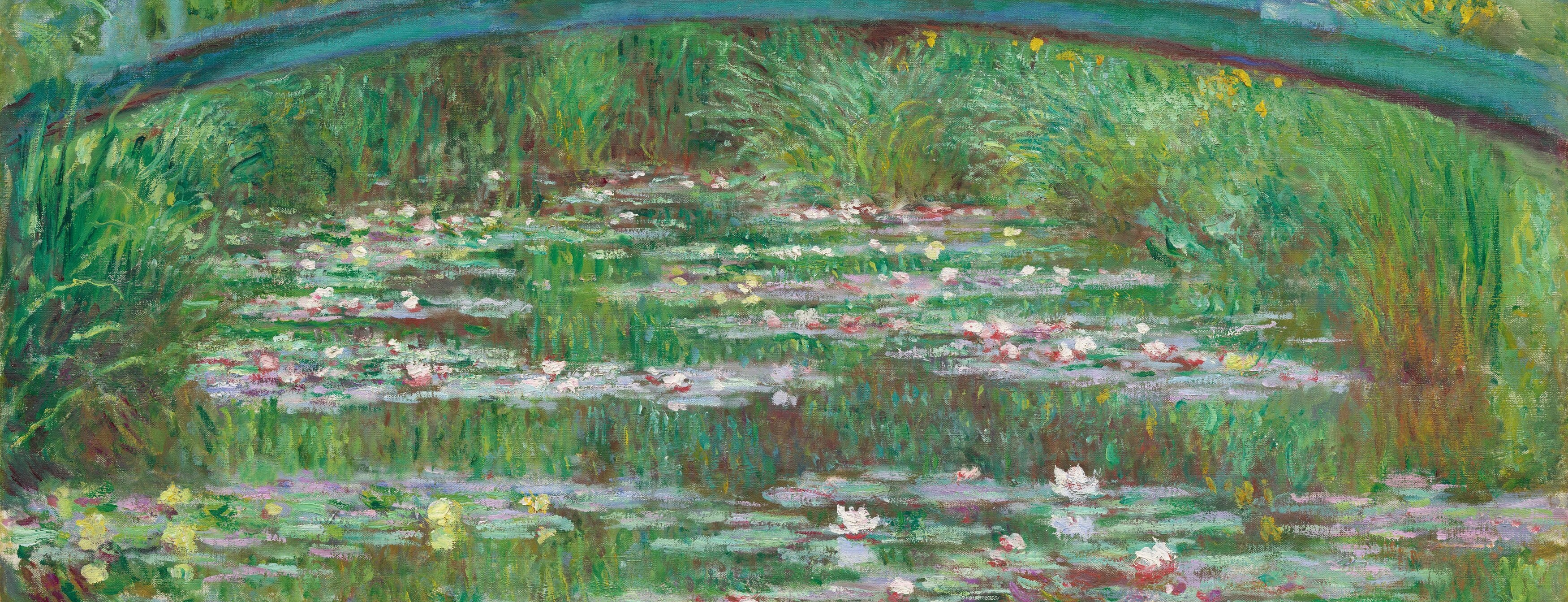
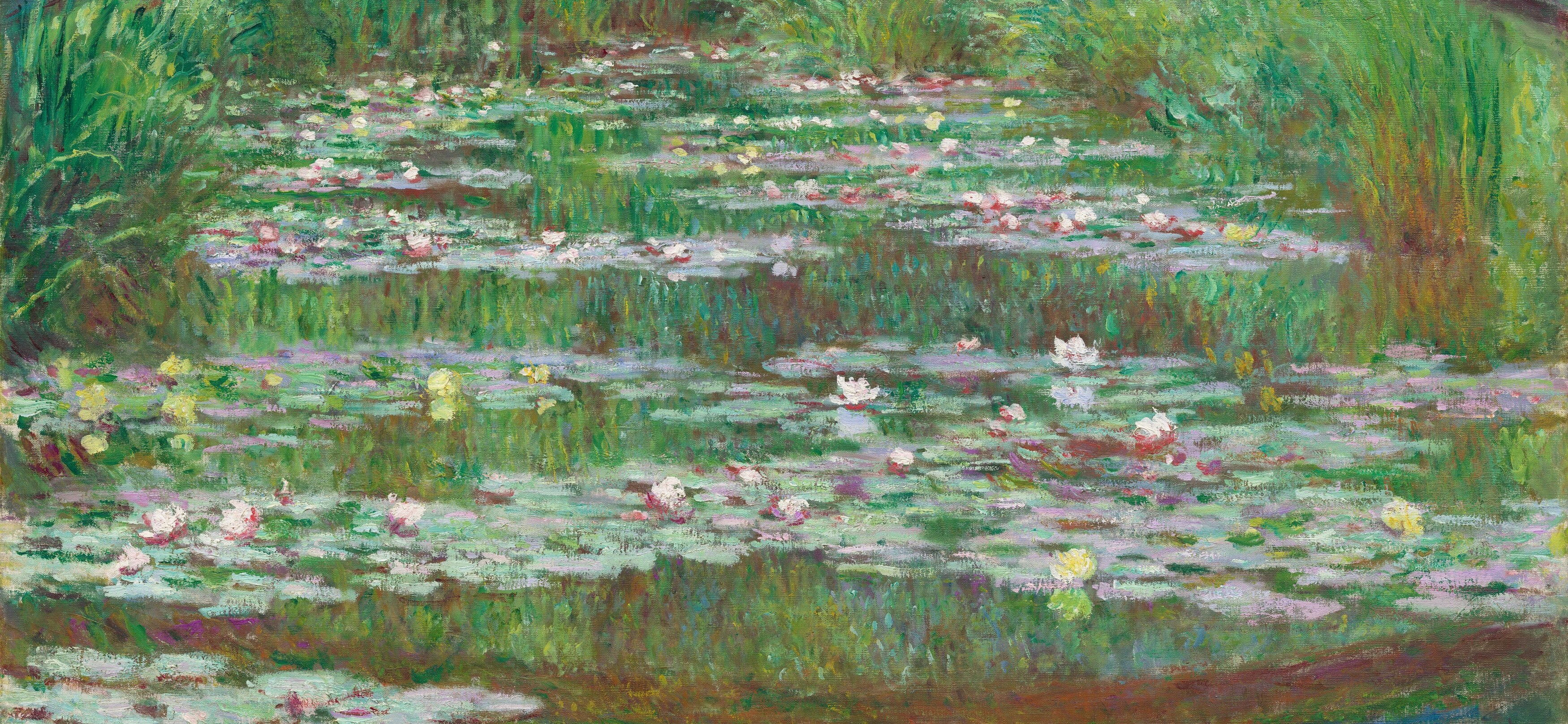
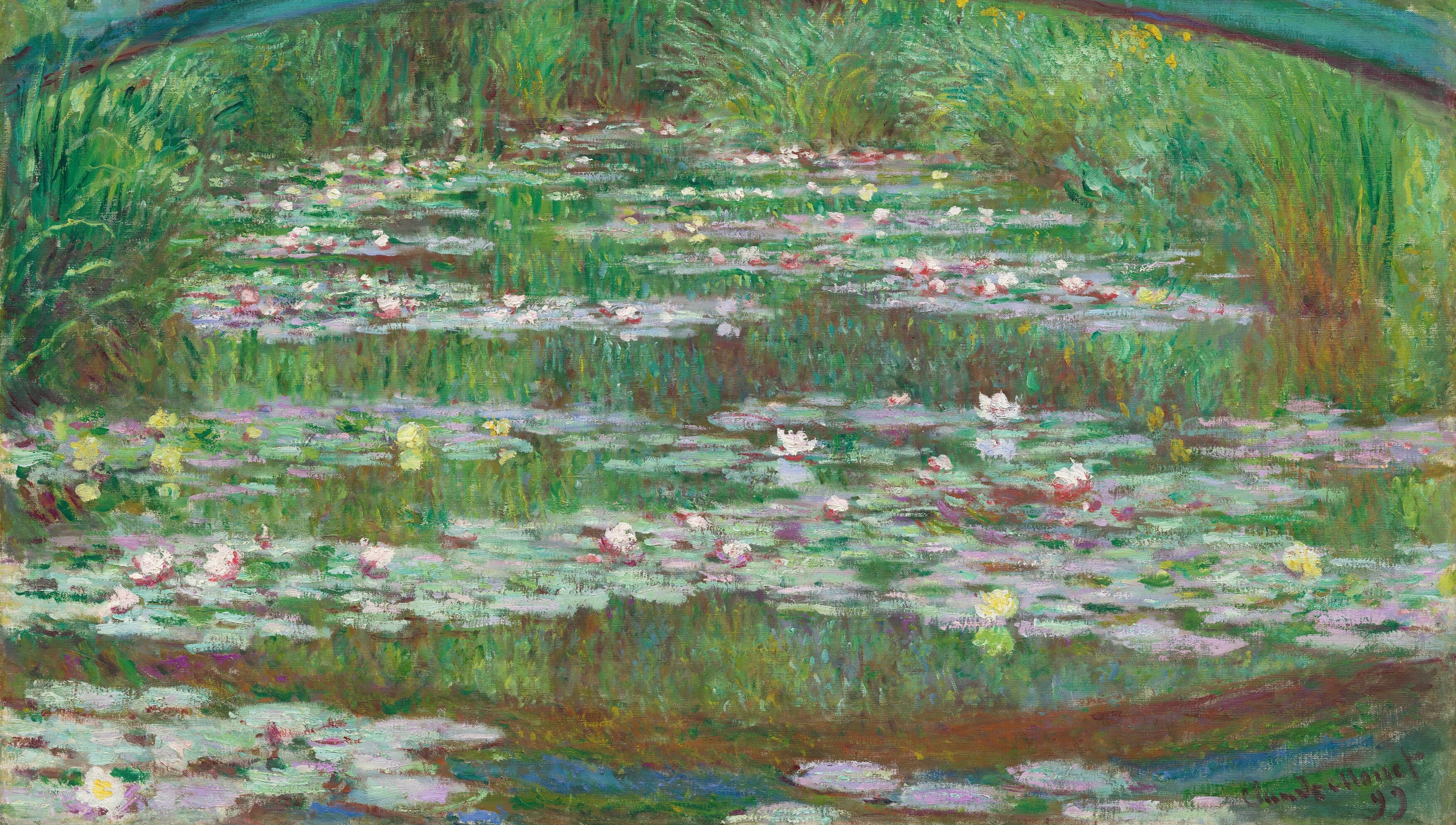
Claude Monet's "The Japanese Footbridge," painted in 1899, is a remarkable work from his iconic Giverny series, now housed in various collections worldwide. This painting is a testament to the artist's unique practice: he meticulously designed and cultivated his own garden specifically to serve as his artistic subject.
Look closely at the gentle curve of the Japanese footbridge, the scattered water lilies, and the lush, dense foliage. Monet controlled every element, from the plant species to the pond's reflections, to create the perfect setting for his studies of light and color.
During his time at Giverny, Monet embarked on extensive series, painting the same motifs, like this bridge and the water lilies, repeatedly under different lighting conditions and seasons. This systematic approach allowed him to explore the transient effects of atmosphere and perception, a hallmark of his late Impressionist style. His dedication to capturing fleeting moments transformed his garden into a living laboratory for light.
This deliberate, almost scientific approach to capturing the natural world within a controlled environment defined much of Monet's later career. What do you notice about the brushstrokes and reflections that capture the movement of light?
Details
Transcript
This painter crafted his entire garden, just to paint it. He designed the water lily pond and the Japanese bridge. Every plant, every flower, was chosen for his canvases. He worked in series, painting the same view over and over. He captured light changing through the day, season to season. This one is dated 1899, painted during his prolific Giverny years.