Self-Portrait by Leyster, Judith
View the artwork: Self-Portrait →
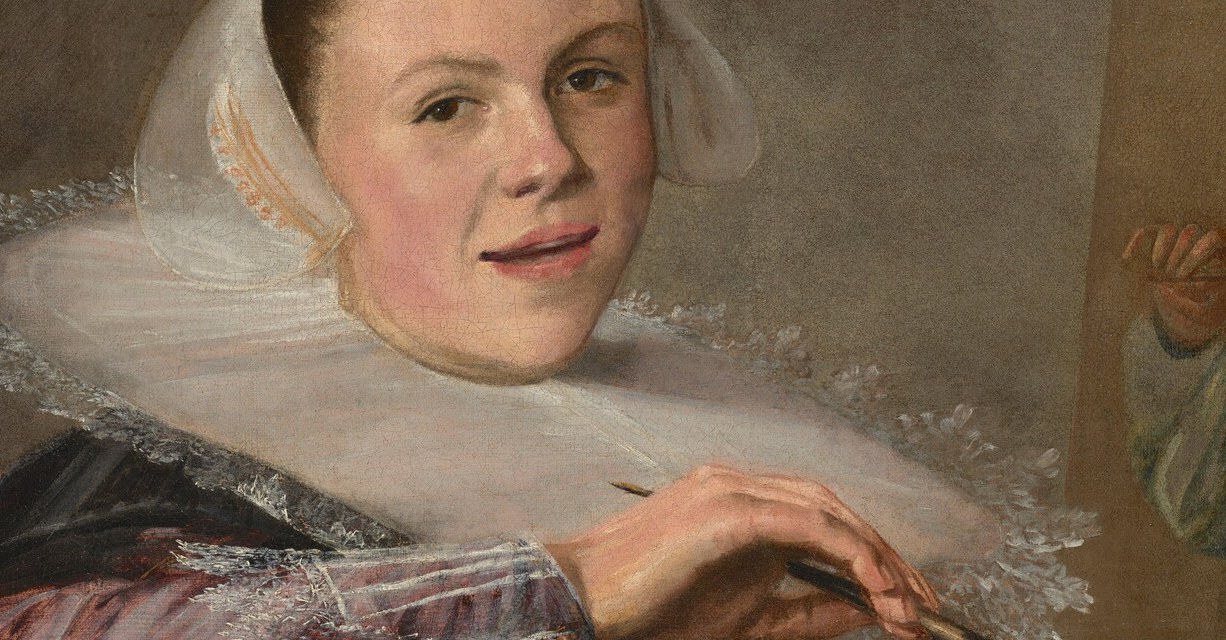
For nearly three centuries, this self-portrait was credited to Frans Hals. It took until 1949, when the National Gallery of Art in Washington, D.C. acquired it, for someone to notice the signature and restore Judith Leyster's authorship.
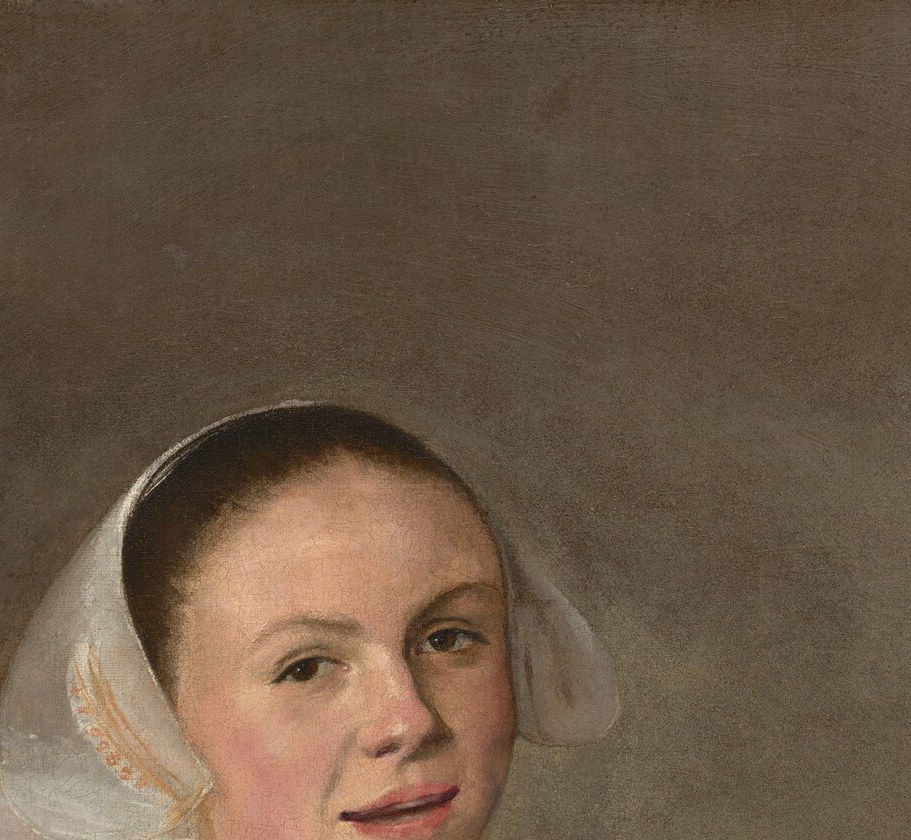
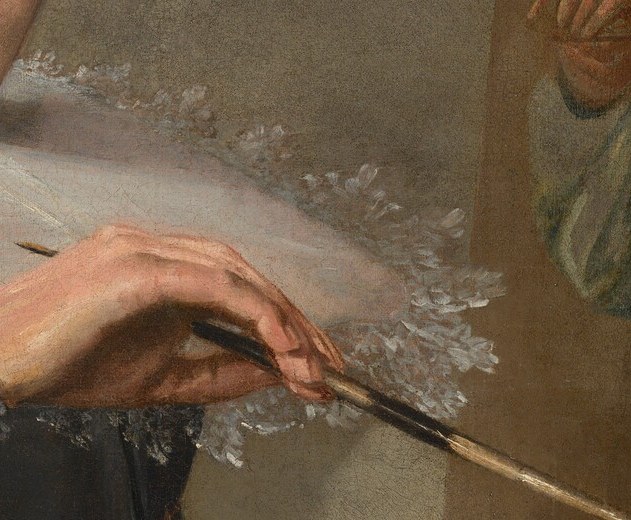
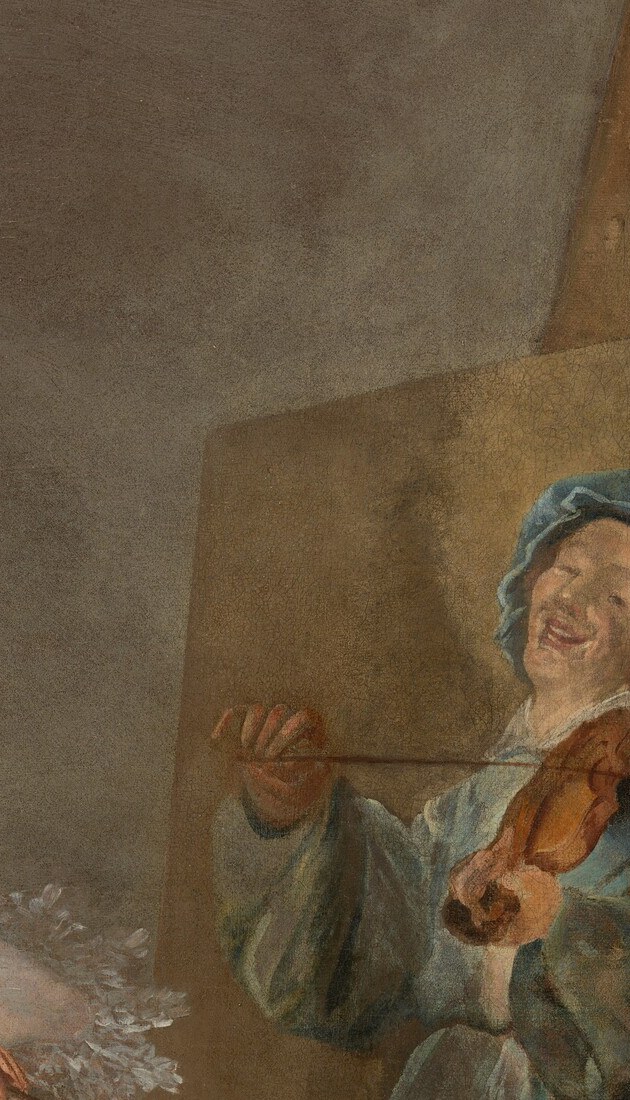
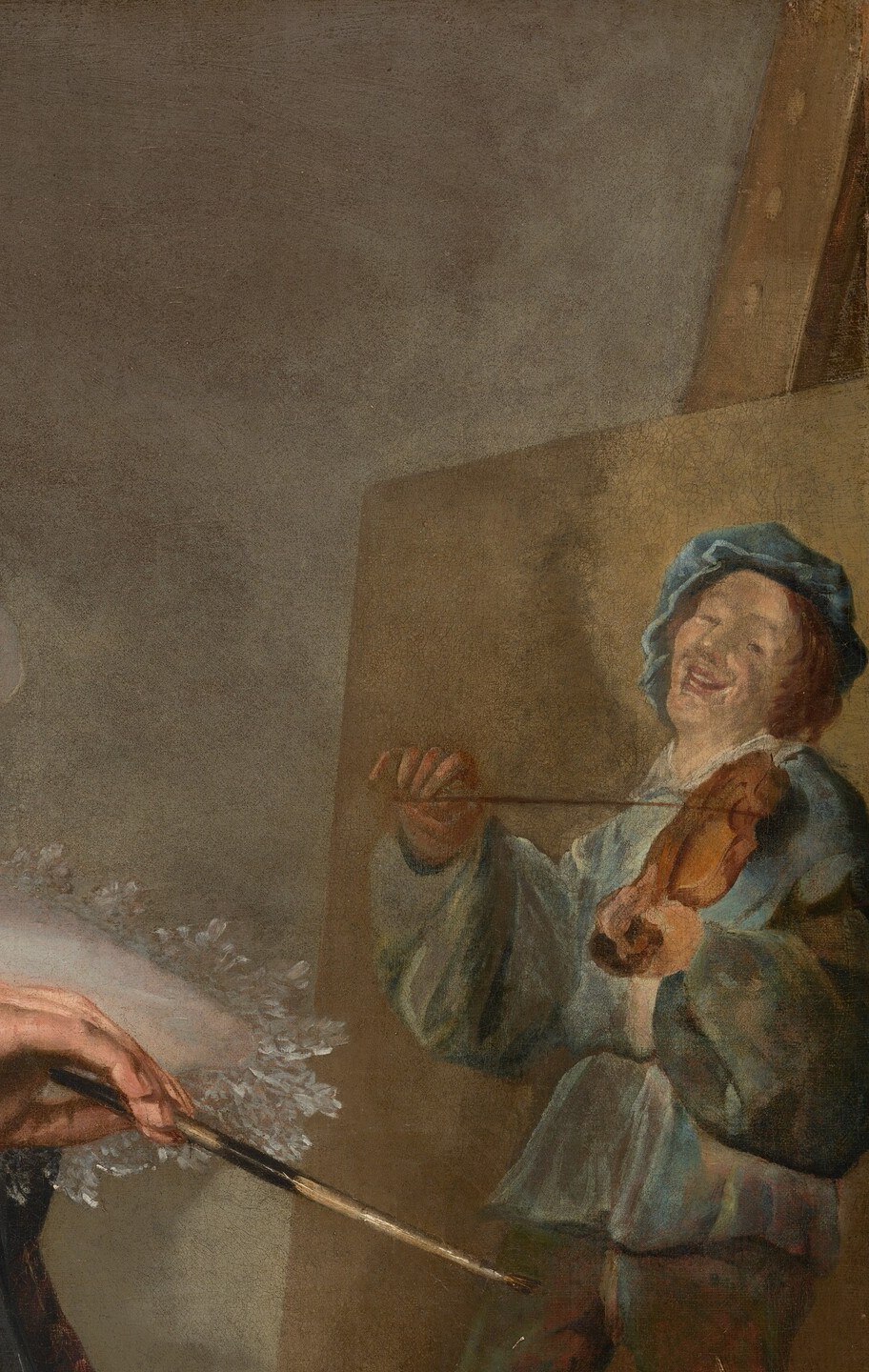
Look at her face first. She turns mid-work, brush and mahlstick in hand, and meets your eye directly. That gaze was a radical act for a woman in 1633: it claims professional authority without apology. On the canvas behind her she paints a laughing fiddler, the kind of lively genre scene that actually paid her bills and made her famous among Haarlem collectors.
Leyster ran her own workshop, took on students, and likely submitted this very painting to the Haarlem Guild of St. Luke as her probationary masterpiece. She became one of the few women admitted as a master. The lace collar and careful dress show she wanted the world to see prosperity alongside skill.
After her death, her name faded. Dealers and scholars, seeing the loose, confident brushwork and warm chiaroscuro, simply wrote "Frans Hals" on the label and moved on. They overlooked a woman who had already earned her place.
#arthistory #dutchgoldenage #womenartists
Details
Transcript
For nearly 300 years, this painting hid in plain sight. It hung in museums attributed to Frans Hals. But look at her face. She meets your eye mid-brushstroke, claiming the room. In 1633, she submitted this to prove she deserved the title of master. She became one of the only women in Haarlem's guild. Inside her own painting, she paints a laughing fiddler. It took until 1949 for the world to see her name.