Ellen's Isle by Robert Seldon Duncanson
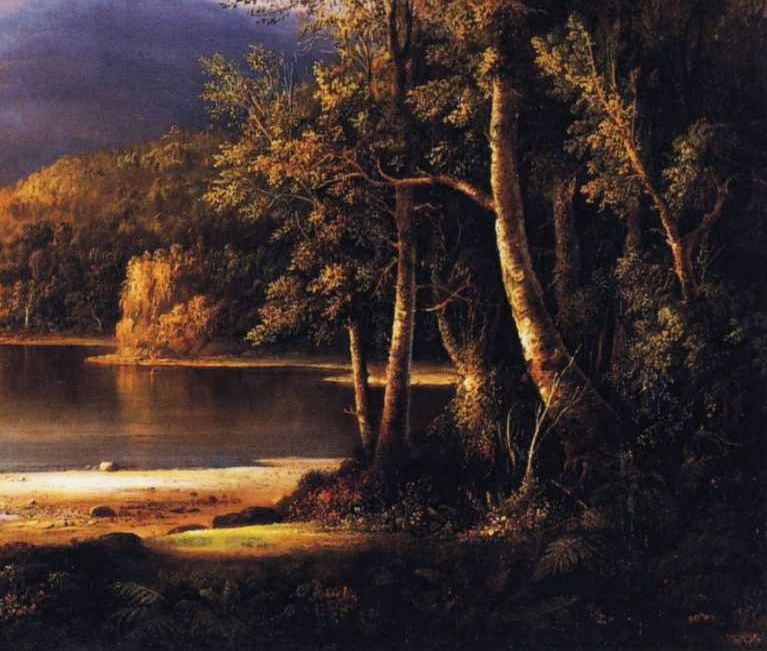
This is Robert Seldon Duncanson's *Ellen's Isle*, painted around 1870 and now at the Detroit Institute of Arts. The trick here is how Duncanson rendered light so it seems to glow from within the canvas.
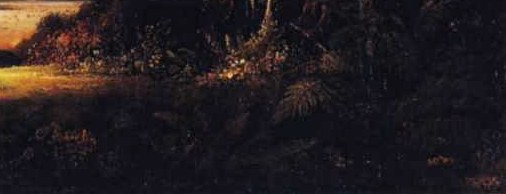
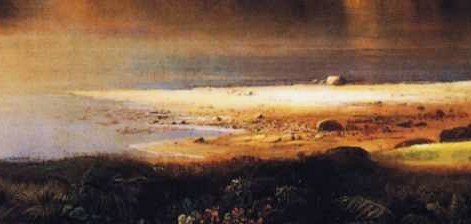
Look at the way the light catches the water, making it shimmer as if it were real. Notice the mountains and the sky, infused with a soft, warm radiance that suggests a specific time of day. Observe the textures in the trees, their bark and leaves rendered with such detail that they feel tangible.
Duncanson, a key figure in the Ohio River Valley landscape tradition and a second-generation Hudson River School artist, used a technique called glazing. This involves applying thin, transparent layers of oil paint over each other. This method allows light to pass through the layers and reflect off the underlying paint, creating a luminous, jewel-like effect.
This technique makes the painted light feel alive, not just depicted. What other painters achieved this glowing effect?
Details

Transcript
This painter trapped a whole sunset on the water. See how the light glows behind the mountains. He built this light with thin, transparent paint layers. Look at the deep, shadowed foliage here. The dark leaves seem almost real. Glazing built these impossible textures. The whole lake seems to glow. This light is oil paint, applied like glass.