Tobit Burying the Dead by Andrea di Leone
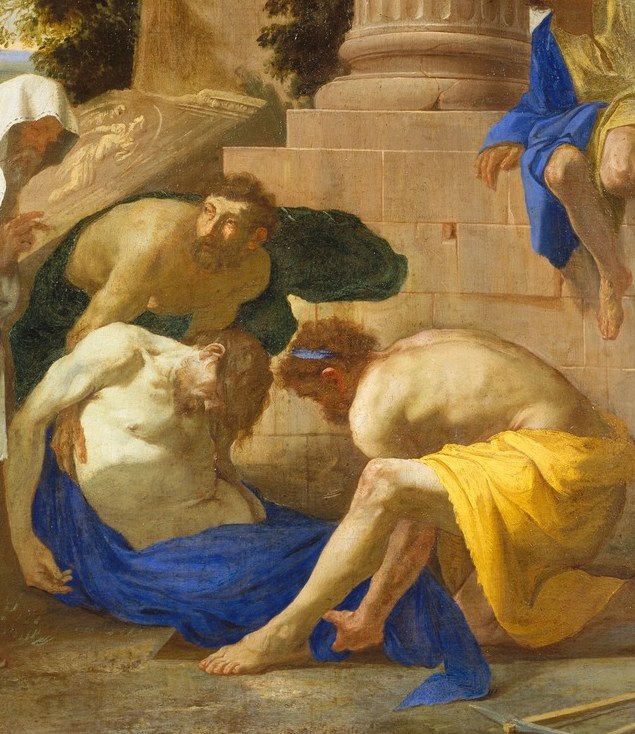
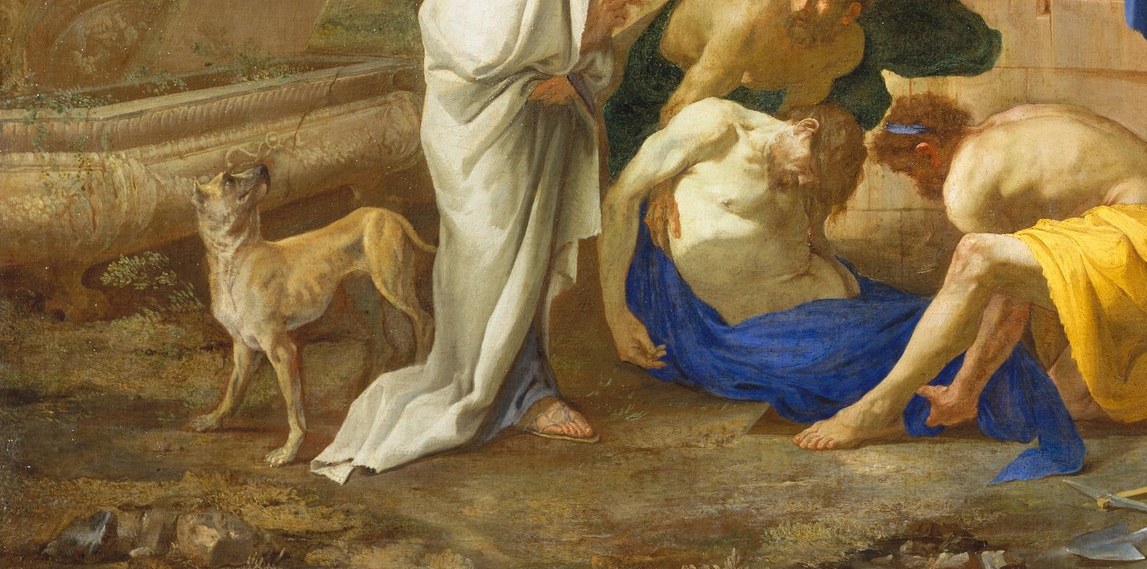
Andrea di Leone's “Tobit Burying the Dead,” painted in 1640, is a striking example of Neapolitan Baroque art, showcasing the artist's masterful use of light and shadow, known as chiaroscuro. This oil painting, held in a private collection, brings to life the biblical story of Tobit's dangerous act of piety.
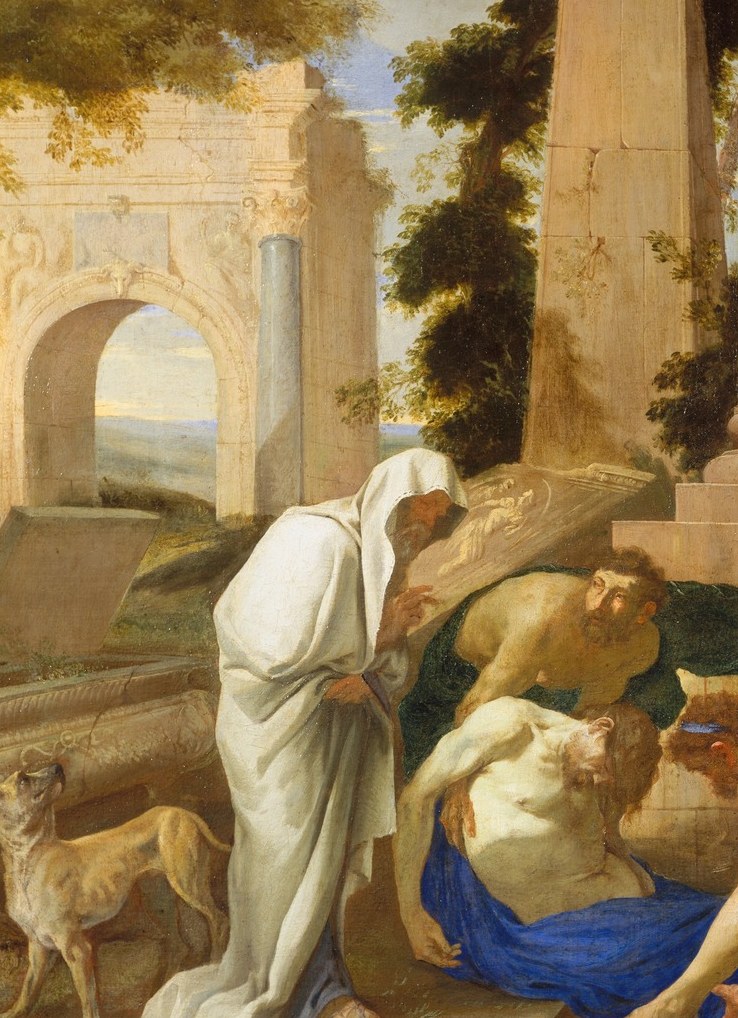
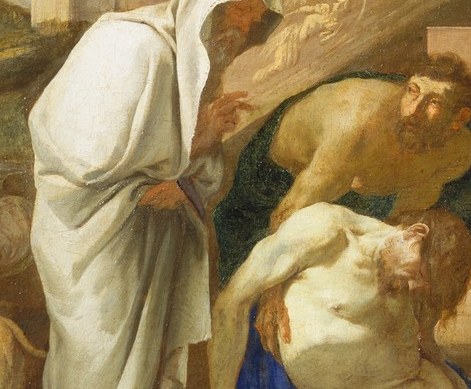
Look closely at how the light dramatically highlights Tobit's white robe and his hands as he attends to the corpse. This intense contrast not only draws the viewer's eye to the moral heart of the story but also underscores the solemnity and risk of his actions.
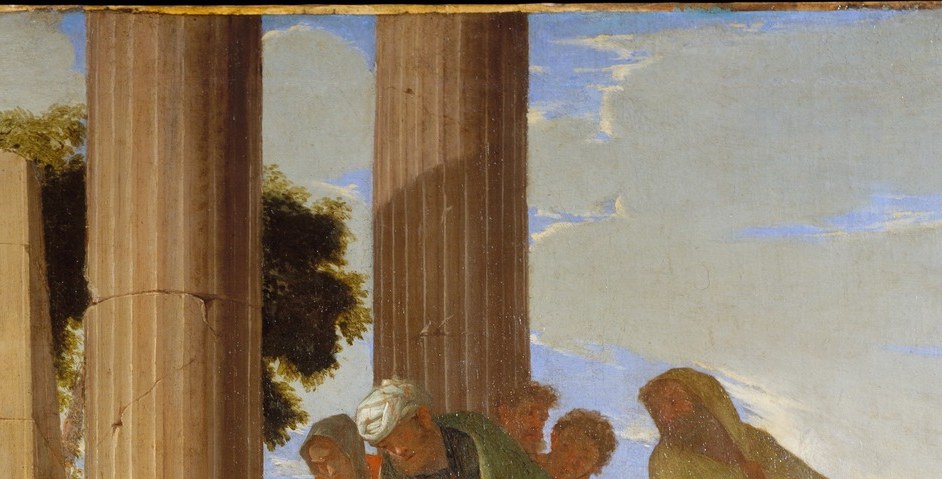
Di Leone, active in Naples during the 17th century, was a key figure in the Baroque movement, known for blending narrative clarity with atmospheric depth. The ruined classical architecture and the single patch of luminous sky create a setting that is both grand and desolate, emphasizing the vulnerability of life and the endurance of faith.
This painting invites us to consider the powerful interplay between darkness and light, both literally and figuratively, in moments of profound human experience. What emotions does this dramatic lighting evoke in you?
Details
Transcript
This painter was a master of shadow and light. He used stark contrasts, called chiaroscuro, for drama. Notice how the light on Tobit's white robe pulls the eye. It illuminates his piety, as he secretly buries the dead. Then, a warm light breaks through the somber ruins. It's the sole hint of hope in this dangerous act.