明 宋懋晉 樓居圖 扇|Dwelling in Landscape by Song Maojin|Unidentified artist
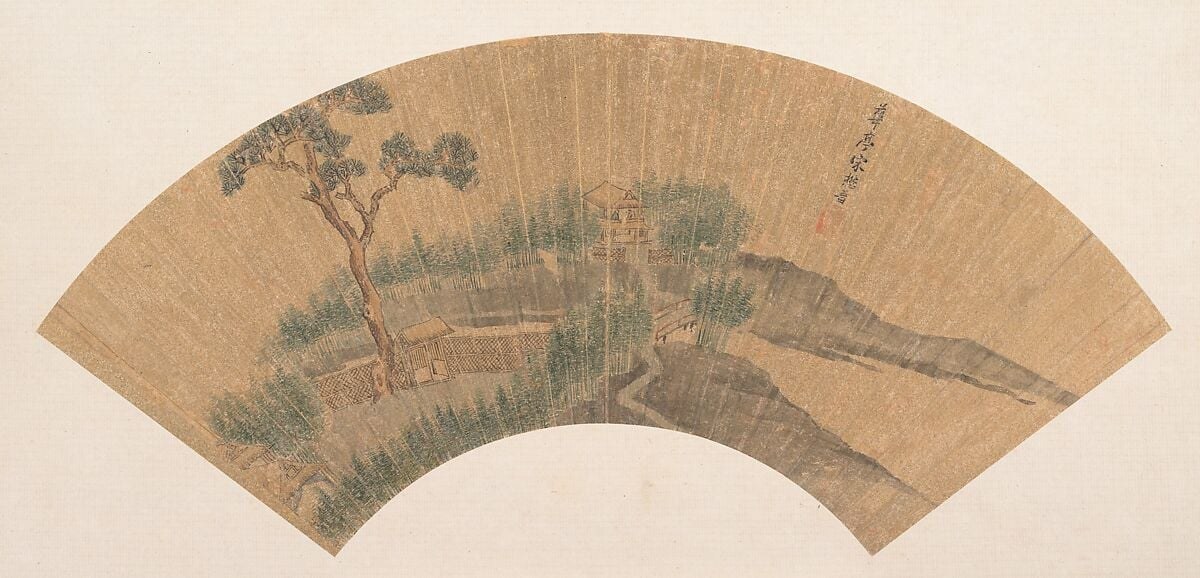
Originally a folding fan, "Dwelling in Landscape" by Song Maojin (17th Century) is now an album leaf, held in a prominent collection. This exquisite work exemplifies the serene beauty of traditional Chinese landscape painting, inviting viewers into a miniature world of contemplation.
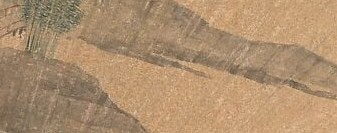
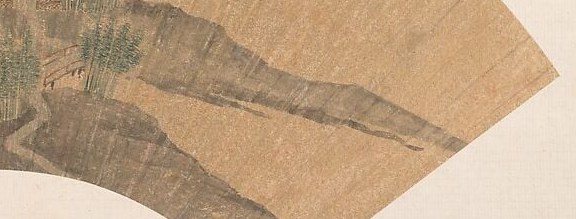
Notice the subtle sheen of the gold paper, which provides a luminous quality to the scene. The artist masterfully employed fine, crisscrossing brushstrokes, a technique known as cross-hatching, to create the intricate textures of the rocky hillside and foliage.
At the heart of the composition is a small, secluded house, nestled into the slope. This detail speaks to the literati tradition, celebrating withdrawal from urban life into nature for self-cultivation and quiet reflection. The intricate details and serene atmosphere encourage a mindful observation of the natural world.
What details do you find most captivating in this tranquil scene?
Details
Transcript
This quiet landscape was once a folding fan. It was painted on gold paper, giving it a subtle sheen. The artist used fine, crisscrossing brushstrokes to build texture. These meticulous lines create the rocky hillside. A secluded dwelling is nestled into the slope. It suggests a retreat for contemplation, typical of literati art. The artist's seal authenticates the work.