Memento Mori, "To This Favour" by William Harnett
William Harnett's *Memento Mori, "To This Favour"*, painted in 1879 and housed at The Cleveland Museum of Art, is a masterful trompe-l'œil still life that quietly speaks to the human condition. It's a painting that asks us to reflect on life's brevity.
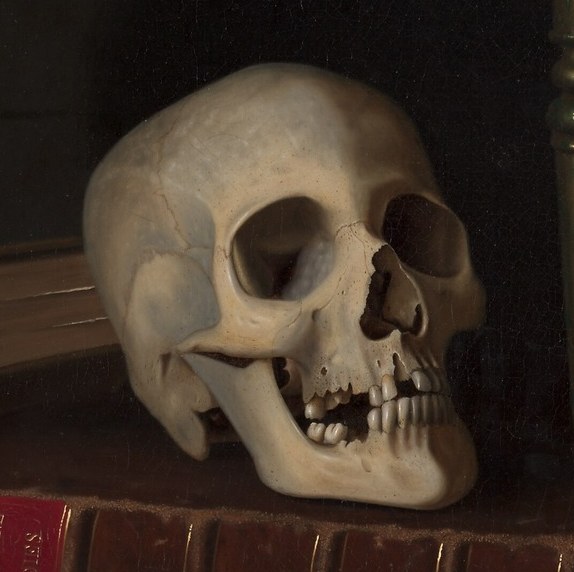
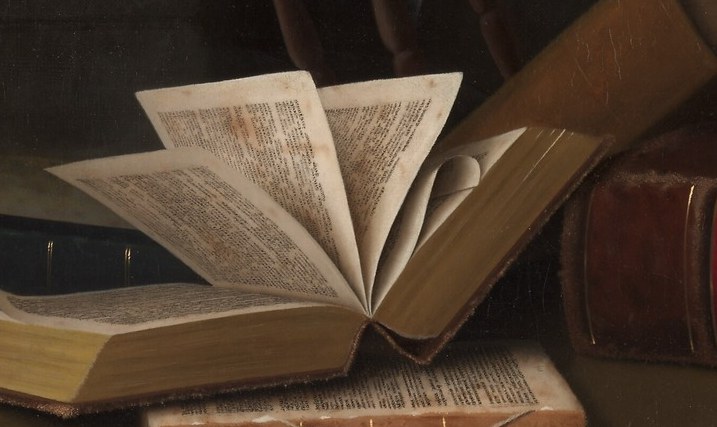
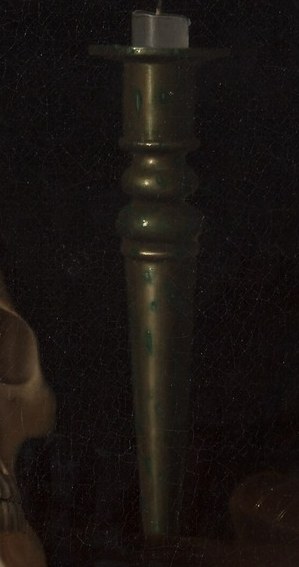
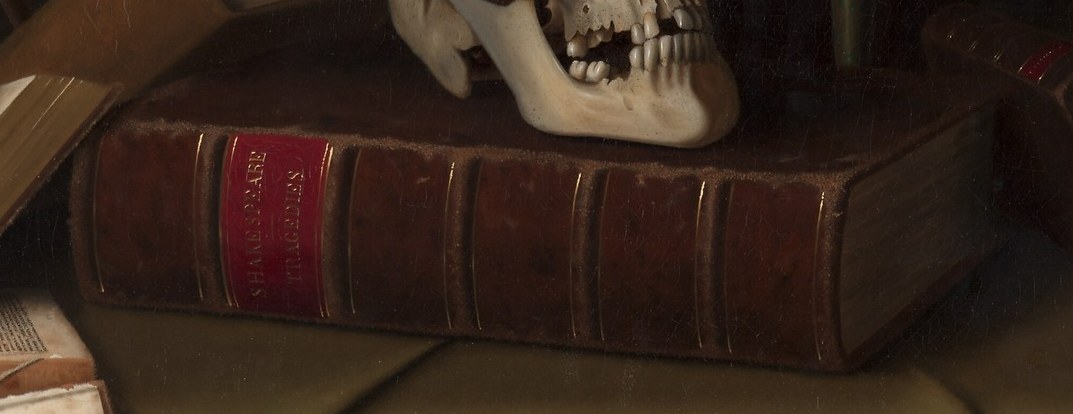
The artist meticulously renders a collection of objects, scholarly books, an hourglass, and a candle holder, but the central focus is a stark human skull. This imagery serves as a traditional "memento mori," a Latin phrase meaning "remember you must die." It's a reminder that all earthly pursuits eventually end.
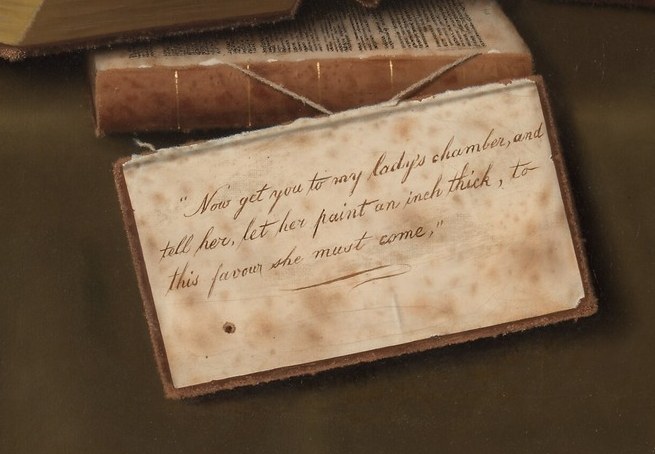
Yet, a delicate handwritten note tucked into an open book adds a profound layer of human presence. It suggests a personal, fleeting thought, perhaps a final message or an unfinished idea, softening the starkness of the skull. Harnett's incredible realism makes these objects feel tangible, drawing us into a quiet contemplation of time, knowledge, and mortality.
The painting, created at the height of Harnett's career, became a significant example of American realism. What does this arrangement of objects make you think about?
Details
Transcript
This painting from 1879 asks us to remember something important. A human skull is placed among scholarly books. This is a memento mori, a reminder of death's inevitability. But look closely at the open book's pages. Someone left a handwritten note there, like a personal message. Even in death, traces of a human life remain.