Still Life with a Roemer and a Watch by Willem Claesz Heda
Willem Claesz Heda's "Still Life with a Roemer and a Watch," painted in 1629 during the Dutch Golden Age, is more than just a depiction of a meal. This captivating work, held in the collection of the Mauritshuis, belongs to a genre known as 'breakfast pieces,' which showcased partially consumed meals and everyday objects.
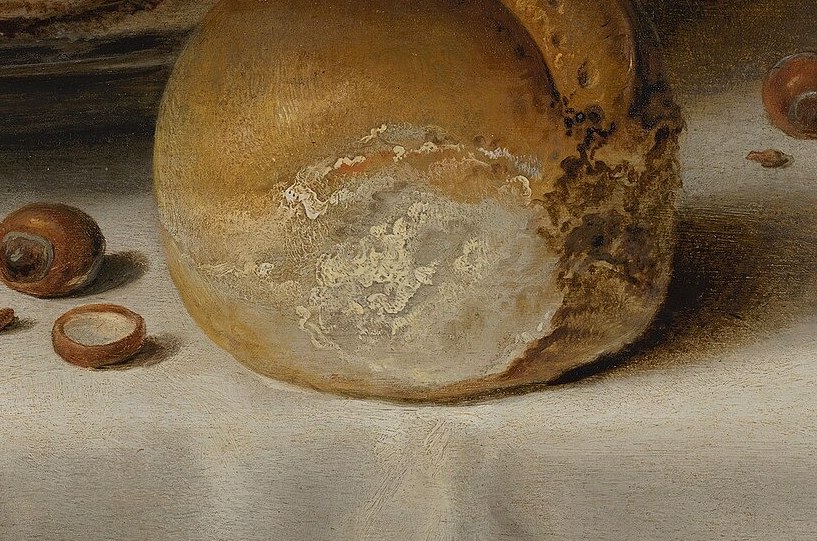
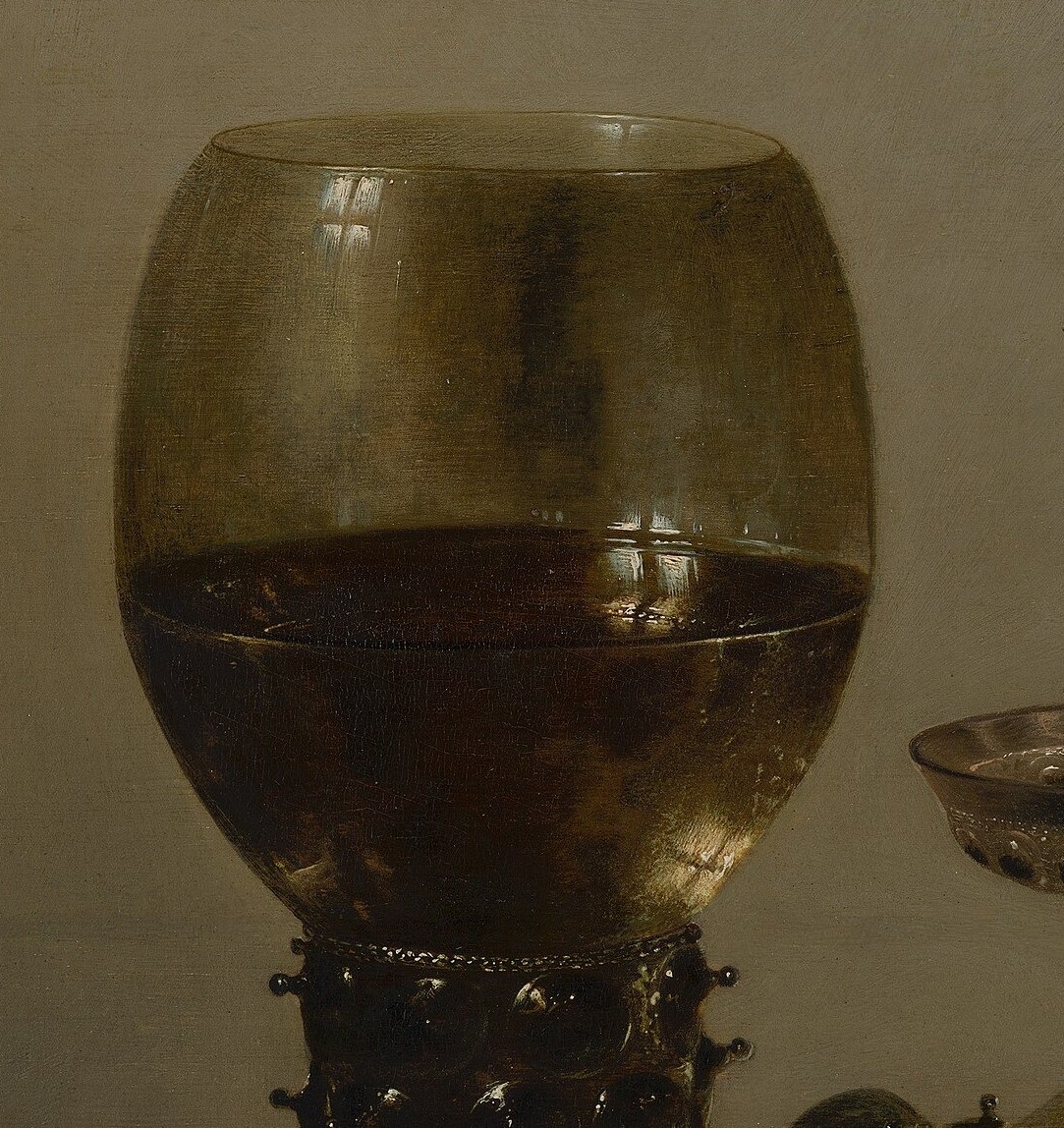
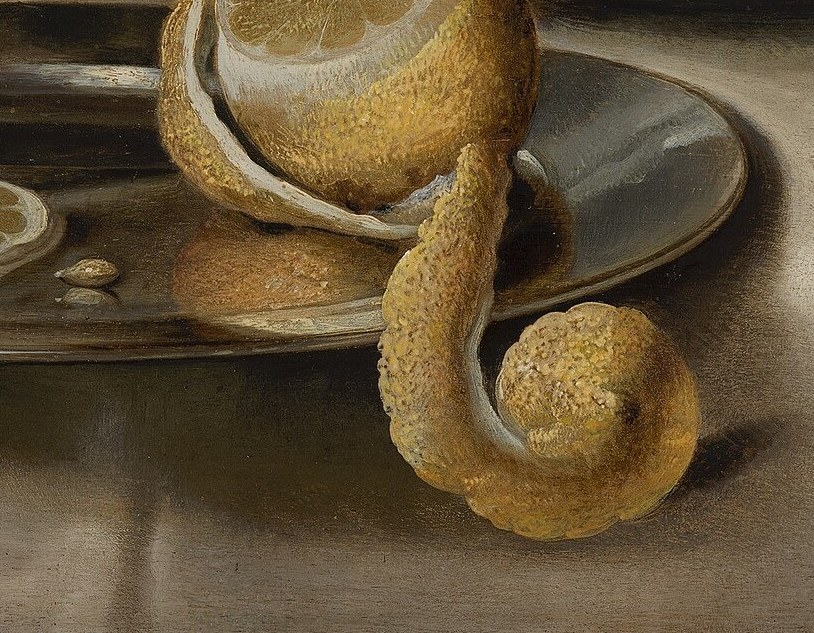
Look closely at the table arrangement: the torn bread roll, the roemer glass, and the spiraled lemon peel all suggest a moment of quiet consumption. Yet, these details serve a deeper purpose.
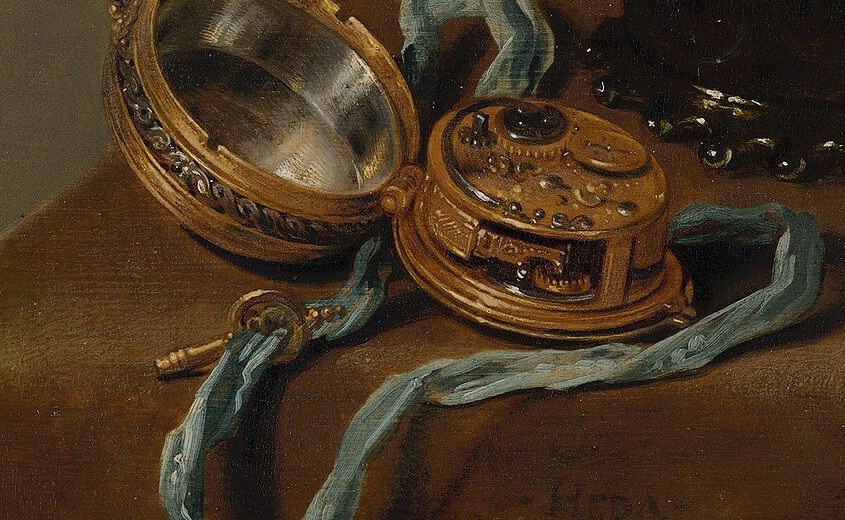
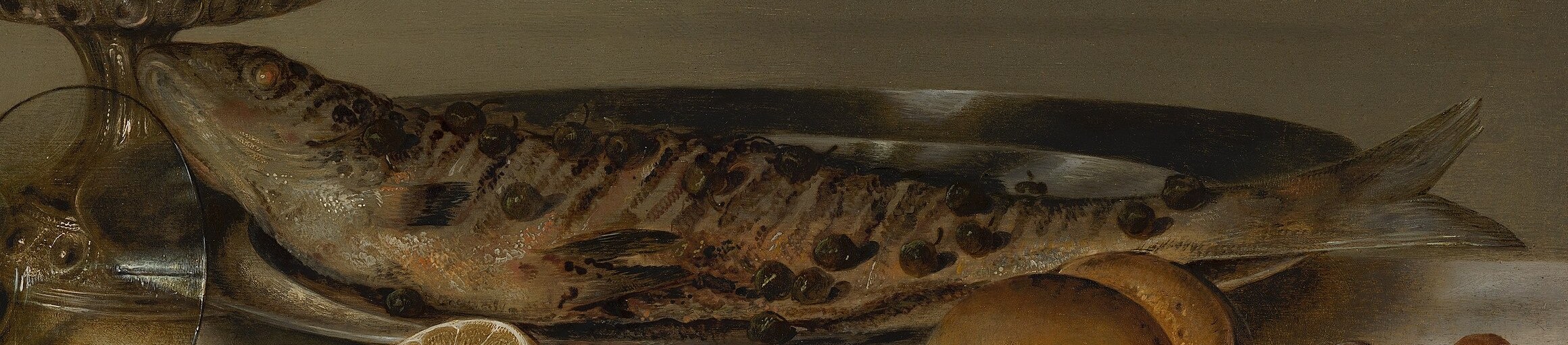
The prominent pocket watch and the discarded lemon peel are not merely decorative. They are subtle symbols, reflecting on the passage of time and the transient nature of life, a common moral undertone in Dutch still-life traditions. Heda masterfully uses a muted tonal range and meticulous rendering to give texture to glass, metal, and fish scales, drawing the viewer into this rich, yet ephemeral, scene.
These paintings served as a 'memento mori,' a reminder that even amidst abundance, life is fleeting. What hidden meanings do you find in everyday objects?
Details
Transcript
This painting dates to 1629, the Dutch Golden Age. It's a 'breakfast piece', showing a meal partially consumed. But these paintings were not just about food. The pocket watch and lemon peel signal time passing. These objects, carefully placed, remind us of life's transience. It's a moral warning, hidden in a luxury meal.