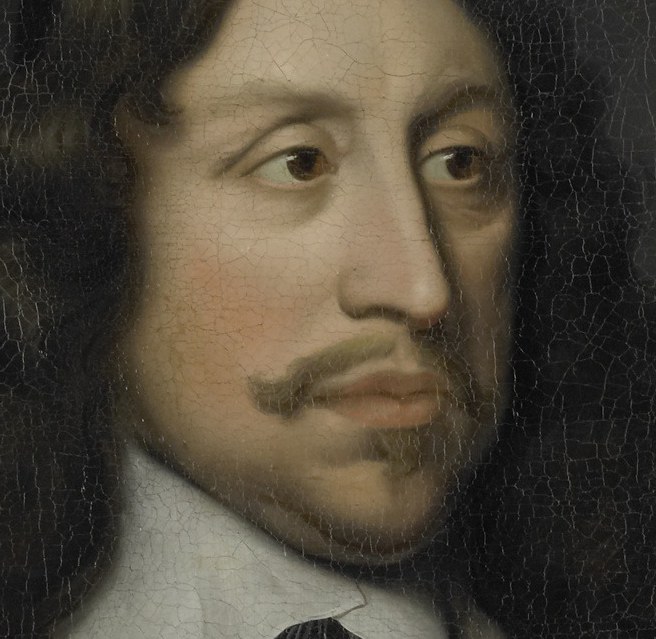
Portrait of Johan de Vries, Director of the Rotterdam Chamber of the Dutch East India Company, elected 1667 by Pieter van der Werff
Pieter van der Werff's 1708 "Portrait of Johan de Vries" (Rijksmuseum) showcases an astonishing level of realism, particularly in the rendering of fabric and lace. Van der Werff, known for his polished technique, achieves an almost photographic quality in depicting textures.
Look closely at the intricate lace cuff on de Vries's sleeve. The painter's ability to capture the delicate, almost transparent quality of the fabric, with individual threads seemingly visible, is a testament to his skill. It's a masterful illusion, making oil paint appear like actual woven material.
Johan de Vries, a director of the Dutch East India Company, is presented with dignity, his attire signaling his status. The portrait exemplifies the refined realism of Dutch Golden Age portraiture, even in its later Rococo-influenced period.
How do you think Van der Werff achieved such a precise effect with paint?
Details
Transcript
This portrait of Johan de Vries was painted in 1708. The artist, Pieter van der Werff, was known for his polished style. He achieved incredible realism in textures, like this white collar. But the true trick is the fine, intricate lace. It feels delicate, almost transparent, painted thread by thread. Van der Werff made paint look like actual woven fabric.