Christ with Mary and Martha by Pieter Aertsen
Pieter Aertsen’s "Christ with Mary and Martha" (1552) at the Kunsthistorisches Museum is a masterful example of a Northern Mannerist painting that cleverly blends genre scenes with biblical narrative. On first glance, the painting might seem like a bustling kitchen scene, rich with still-life details.
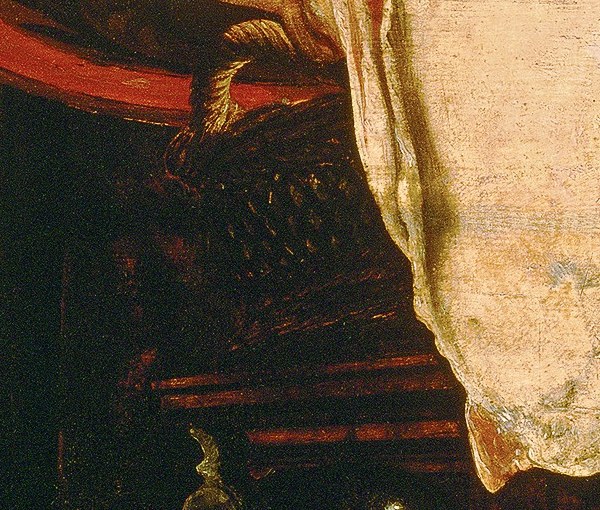
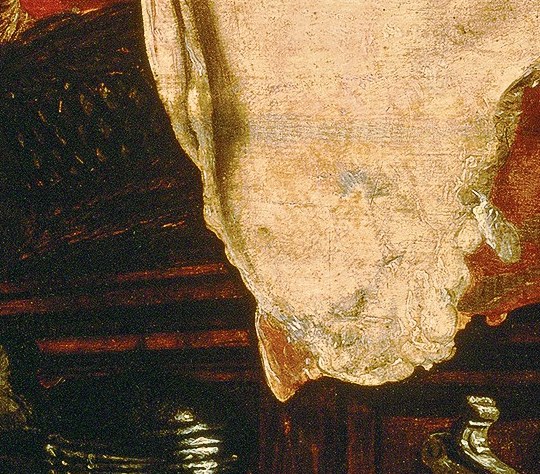
However, Aertsen, known as "Tall Pete," subtly embeds the spiritual story of Christ with Mary and Martha within this elaborate setting. While Martha is preoccupied with domestic duties, represented by the hanging keys and lavish food, Mary sits attentively at Christ's feet, choosing contemplation over worldly tasks. Look for the ornate goblet and the hanging meat, which underscore the themes of hospitality and the tension between spiritual focus and earthly demands.
This approach was groundbreaking for its time, influencing later Dutch painters and defining the monumental genre scene. Aertsen's technique encourages viewers to actively engage with the painting, challenging them to find the deeper meaning amidst the everyday.
What do you notice first when you look at this painting, the kitchen or the figures?
Details
Transcript
This 1552 painting appears to be a busy kitchen scene. But look closely, there's a spiritual story unfolding. The artist, Pieter Aertsen, was known for these hidden narratives. Mary listens to Christ, while Martha prepares a feast. The keys hanging here symbolize Martha's domestic responsibility. The ornate goblet and rich foods represent worldly concerns. Aertsen made viewers choose: spiritual contemplation or worldly tasks?