Study Head of an Old Man by http://www.wikidata.org/.well-known/genid/52289990116c5476e44116c9b42cfd3b
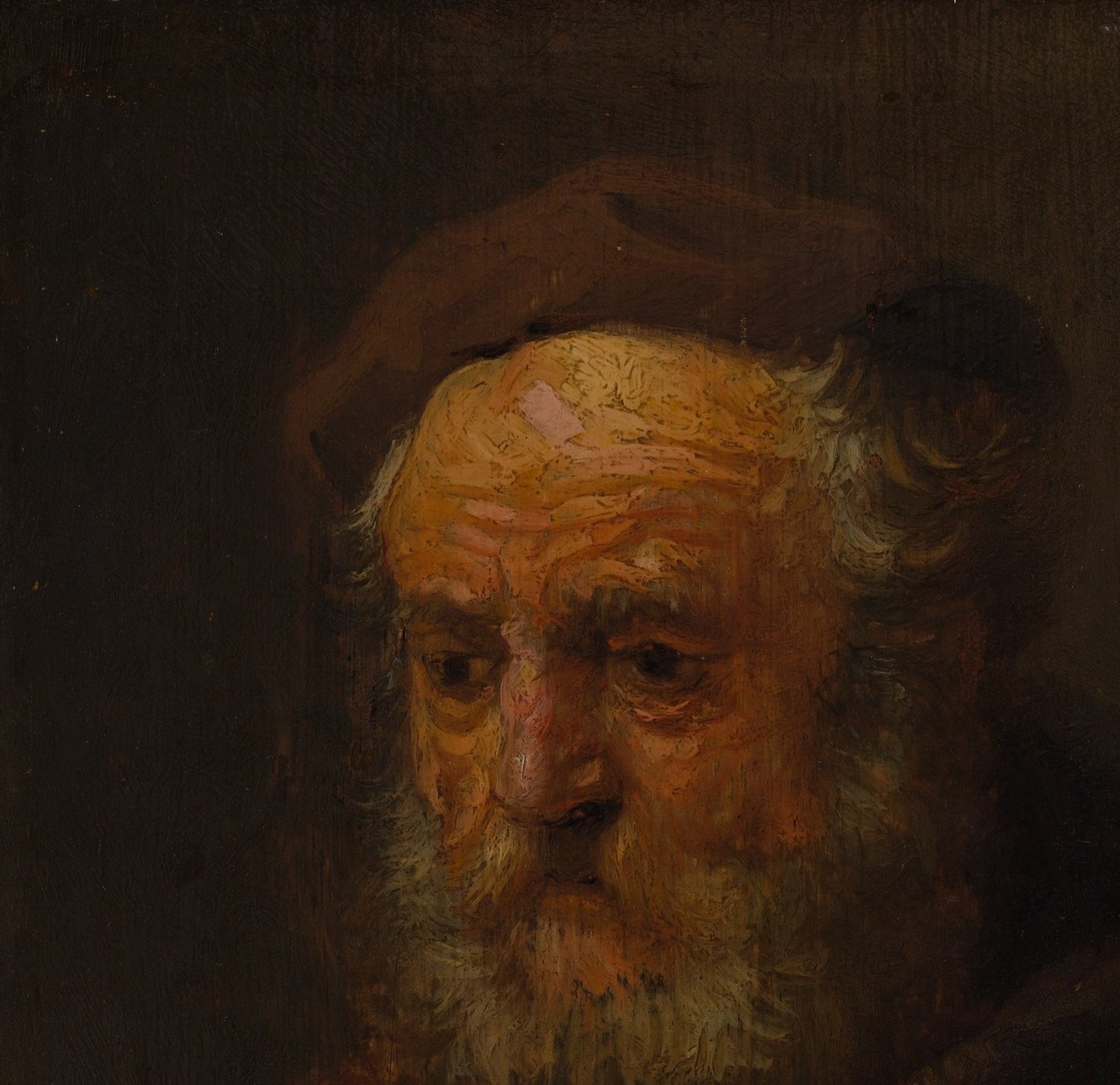
This is Anthony van Dyck's Study Head of an Old Man, painted around 1630. It was never meant to be seen by a patron or hung in a grand hall. It was a private exercise, a study the artist made for himself to understand how age, light, and shadow play across a human face.
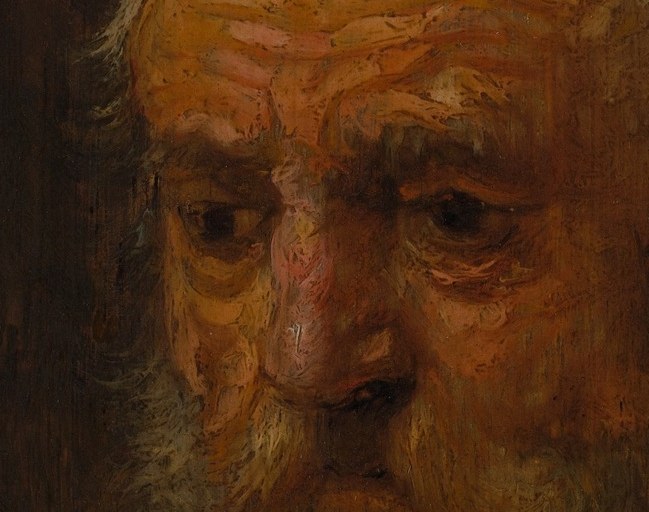
Look at the asymmetry. The old man's left eye is animated by a small catchlight, drawing you into contact with him. His right eye is half-consumed by darkness, receding into a place you cannot follow. Van Dyck knew that a soul is not lit evenly, and he painted that truth into the structure of the face itself.
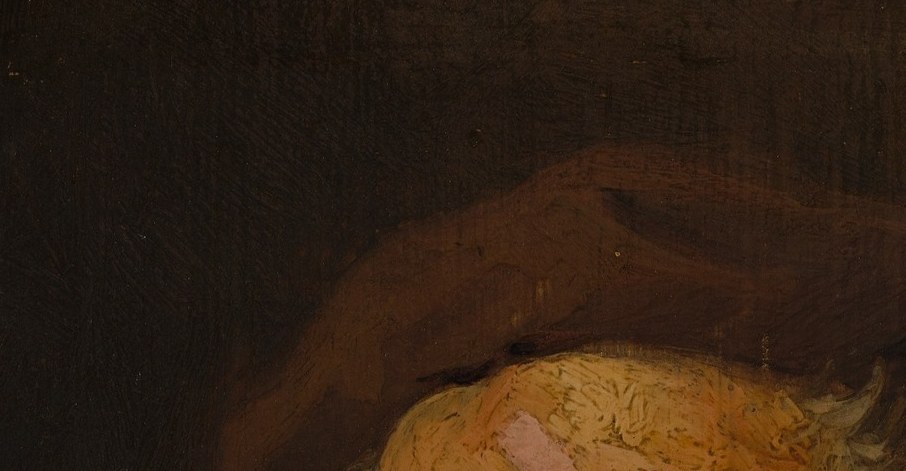
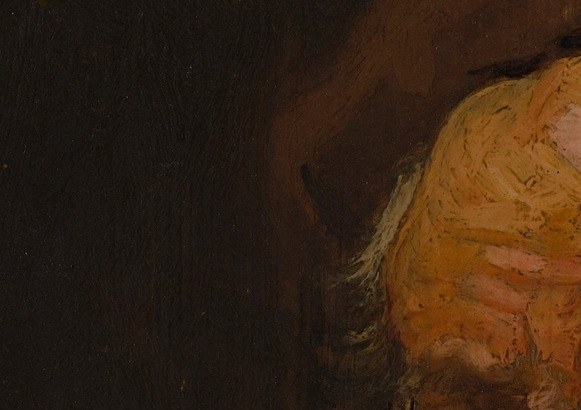
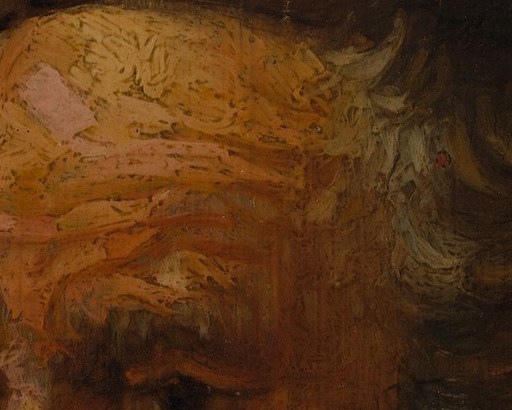
The painting lives in its textures. The white beard is the technical centerpiece, built lock by lock with thick impasto. The forehead wrinkles read like a topographic map. The nose is ruddy and irregular, a blunt refusal to idealize. Every detail argues that a person is not a type, but a specific, accumulated record of living.
As a study head, this work likely prepared van Dyck for figures in larger religious or historical compositions. But standing alone, it is complete. It is a compressed biography in oil paint, made by an artist who believed an old man's tired, asymmetrical face was worth his full attention.
Details
Transcript
Most portraits from 1630 still tried to flatter. Not this one. The painter gave this man a ruddy, imperfect nose. He recorded a lifetime in the crossing wrinkles of a forehead. And he split the face in two. One eye meets the light, and you. The other eye recedes into shadow, unknowable. The artist painted this only for himself. A study, never meant for sale.