Portrait of a Humanist by Sebastiano del Piombo
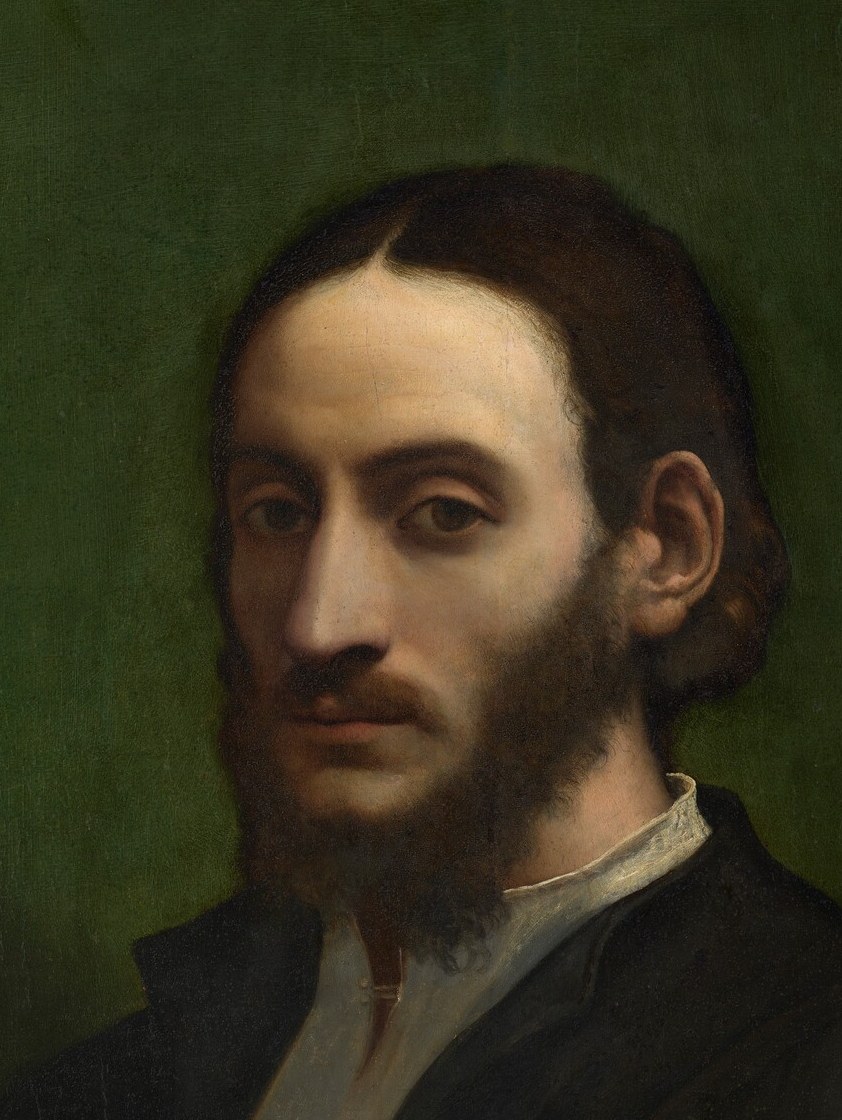
This is Sebastiano del Piombo's 'Portrait of a Humanist', painted around 1520, now in the collection of the National Gallery of Art in Washington. The sitter is Leo Africanus, a North African scholar whose life reads like a novel, captured by Spanish pirates, gifted to Pope Leo X, and freed to become one of the most important geographers of the Renaissance.
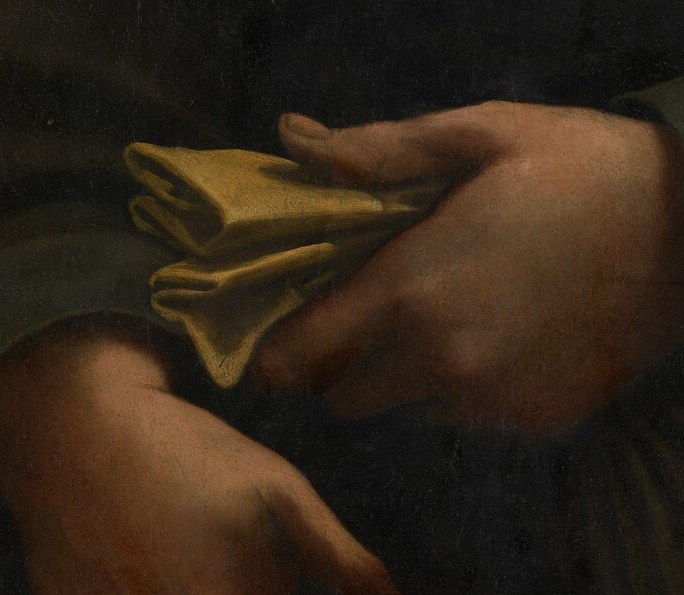
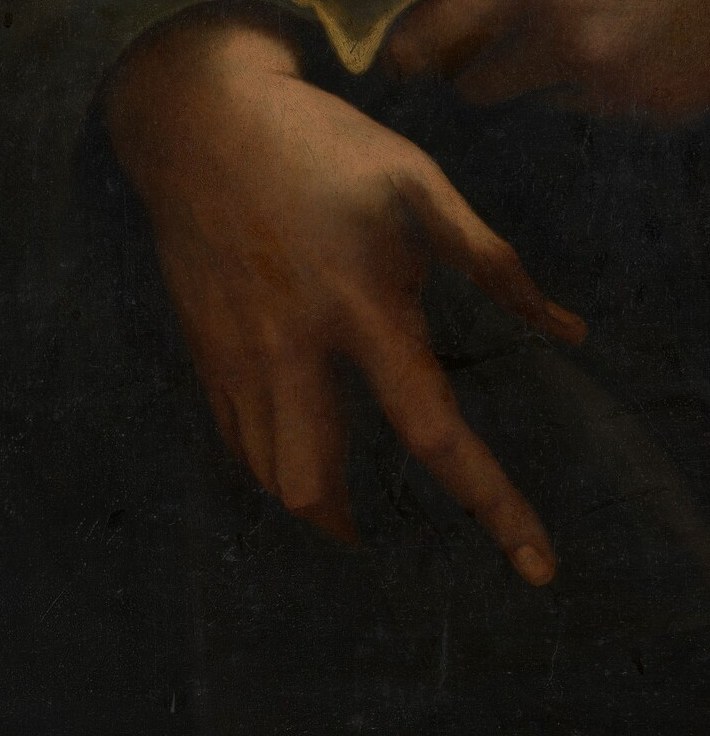
Look at the letter in his hands, and the globe on the table beside him. Del Piombo gives us a man interrupted mid-thought, not a formal sitter posing for posterity. One hand is active, holding the correspondence; the other rests with an ease that suggests patience and authority. The dark green drapery wraps him in a quiet, contemplative atmosphere, while his eyes look left, alert, engaged with a world beyond the frame.
Del Piombo was the only major painter to combine Venetian color with Roman monumentality. He trained in Venice, then moved to Rome and stayed for the rest of his life, eventually becoming the Keeper of the Papal Seal, which gave him the nickname 'del Piombo', meaning 'of the lead'. This portrait shows his gift for psychological weight, for rendering a thinking person rather than a status symbol.
The painting has survived five centuries, transferred from panel to hardboard somewhere along the way. What we see is the face of a man who was captured, converted, and then trusted with the intellectual life of the papal court. A man whose words on Africa shaped European understanding for generations.
Details
Transcript
He was taken by pirates and sold to a pope. But Leo Africanus was no ordinary captive. He was a diplomat, a geographer, a man who had crossed the Sahara. Now look at his hands. He holds a letter. He is still in the middle of his work. The pope freed him, and he wrote the book that taught Europe about Africa. The painter saw not a prisoner, but a mind.