Francis Hopkinson by Sully, Thomas
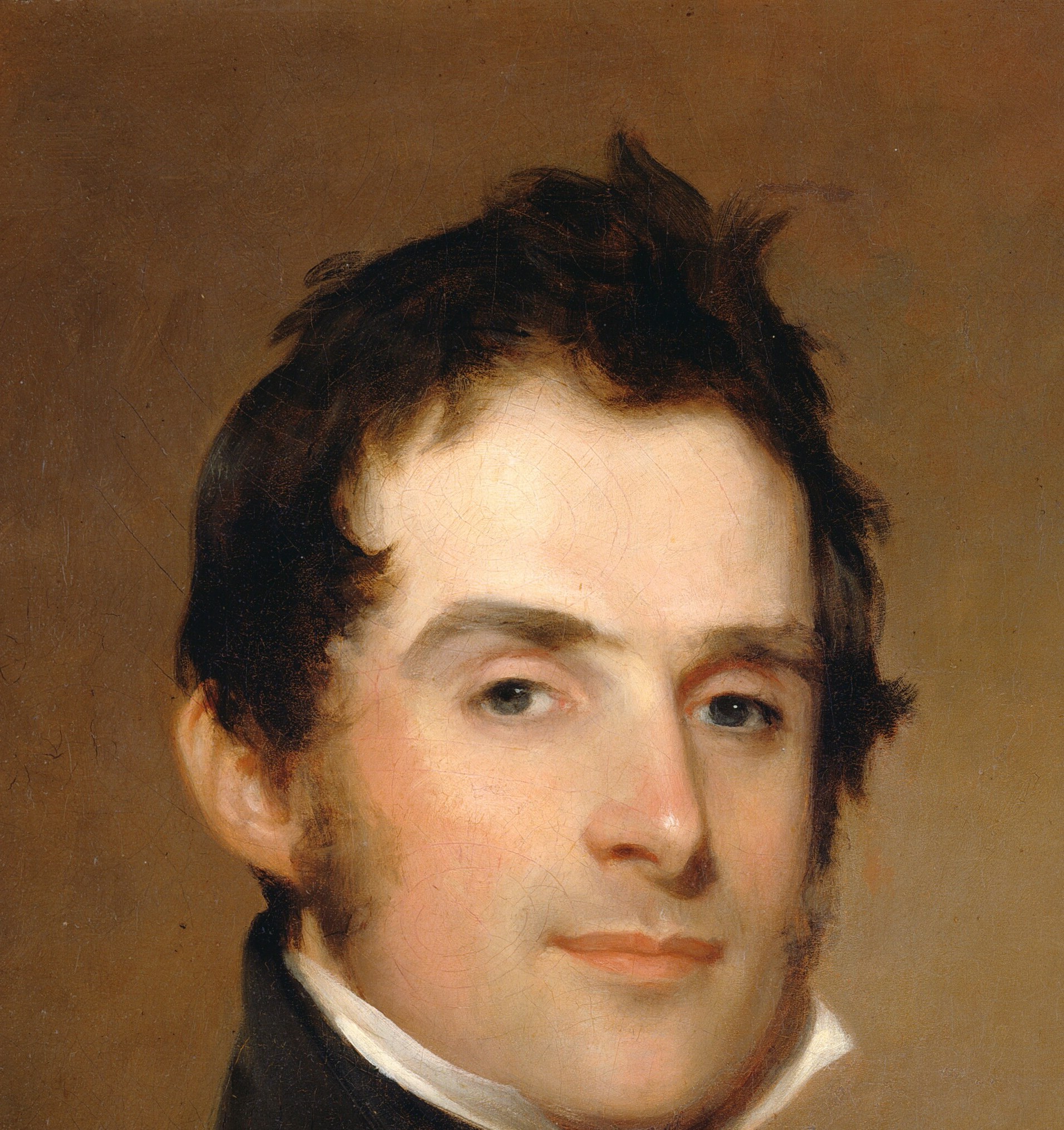
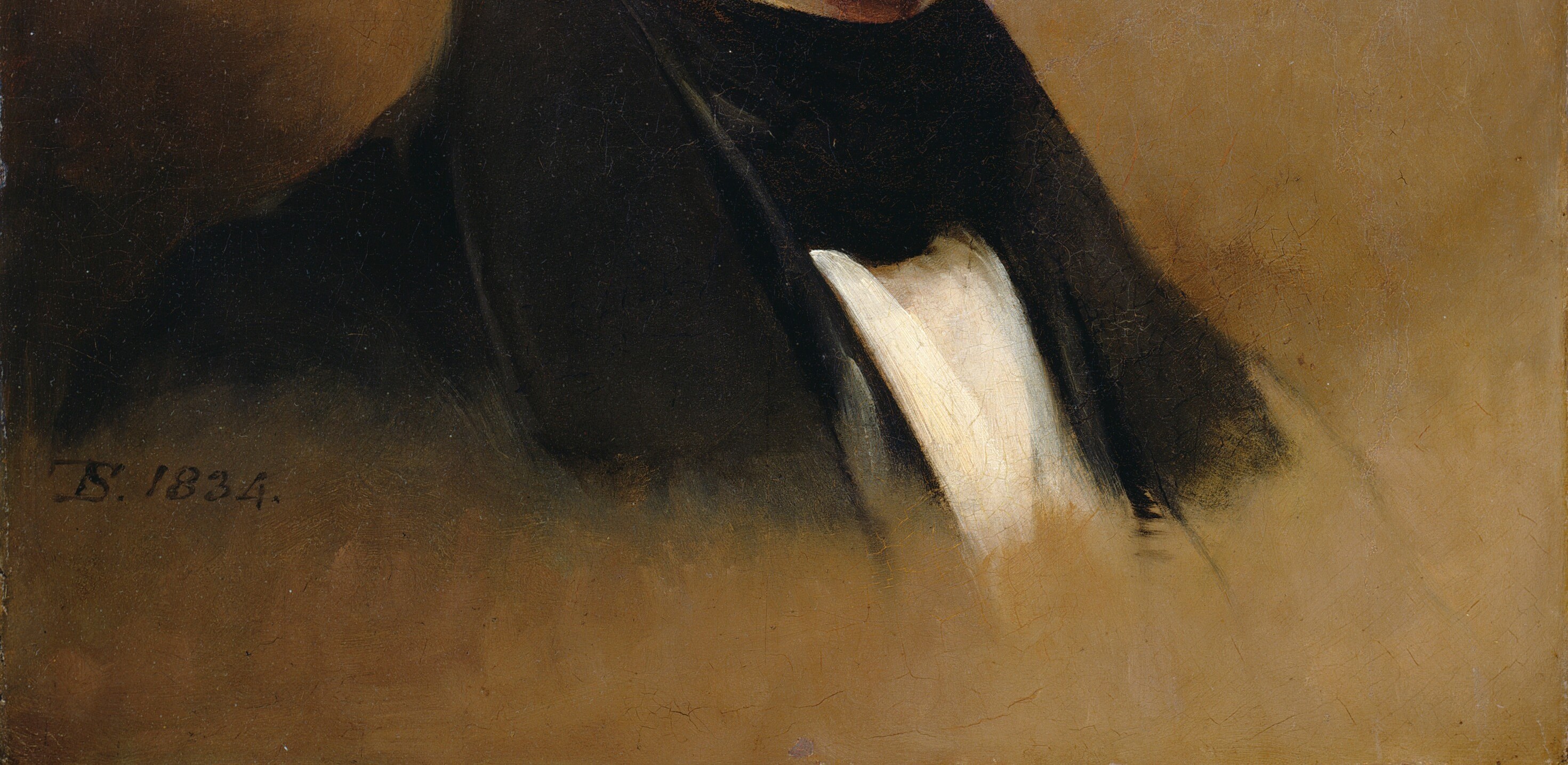
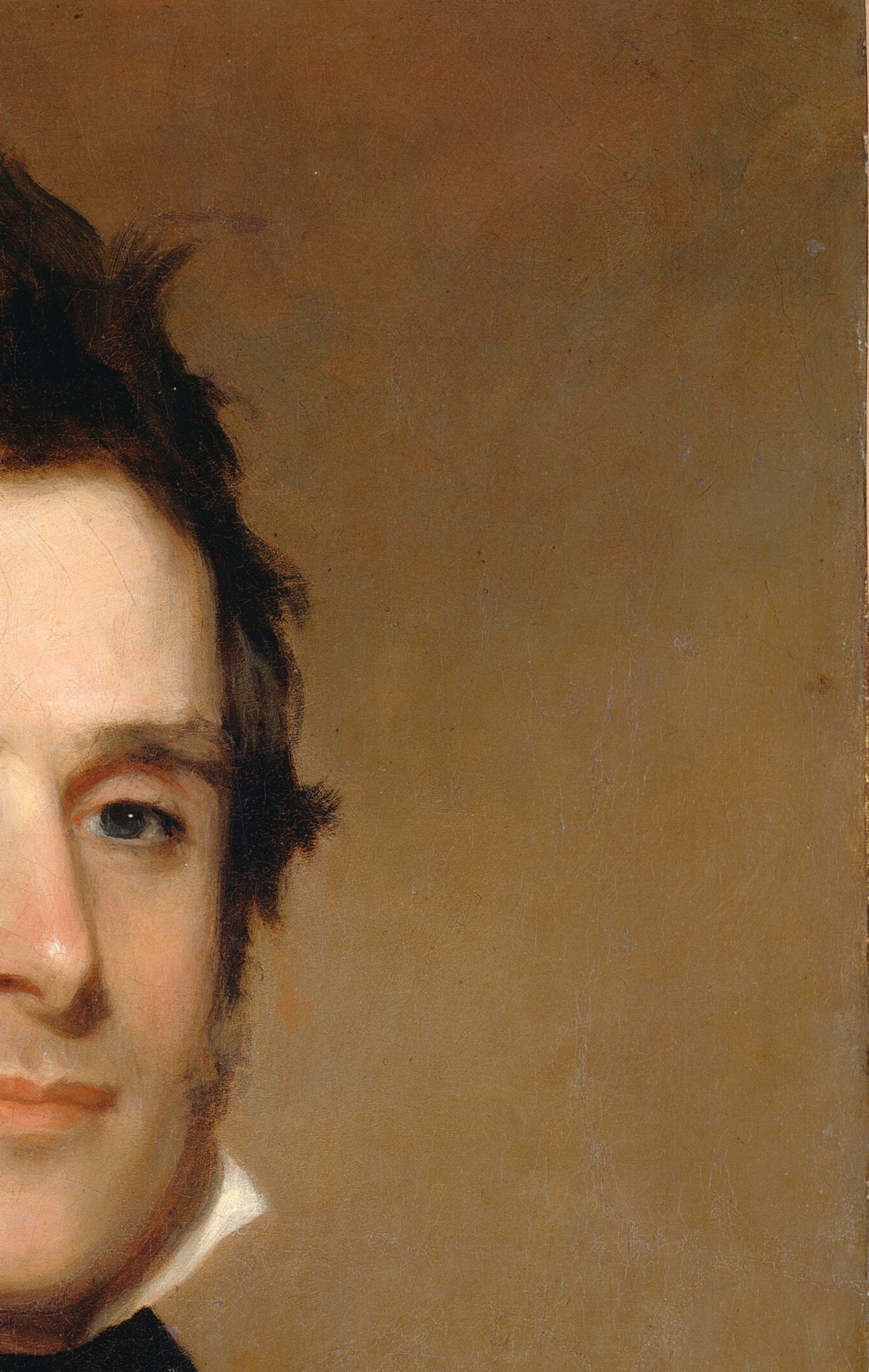
In 1834, Thomas Sully finished this portrait of Francis Hopkinson, a signer of the Declaration of Independence. The painting hangs today at the Smithsonian American Art Museum, but its true subject is not just one man. It is how Jacksonian America wanted to see its own founding.
Hopkinson had been dead for forty-three years when the brush touched the canvas. Sully, born in England but Philadelphia's leading portraitist, worked from earlier images and the accounts of those who remembered him. The result is not a snapshot but a carefully built memory. The steady direct gaze, the firm mouth, the dark formal coat all argued for a particular version of the past: dignified, unshaken, permanent.
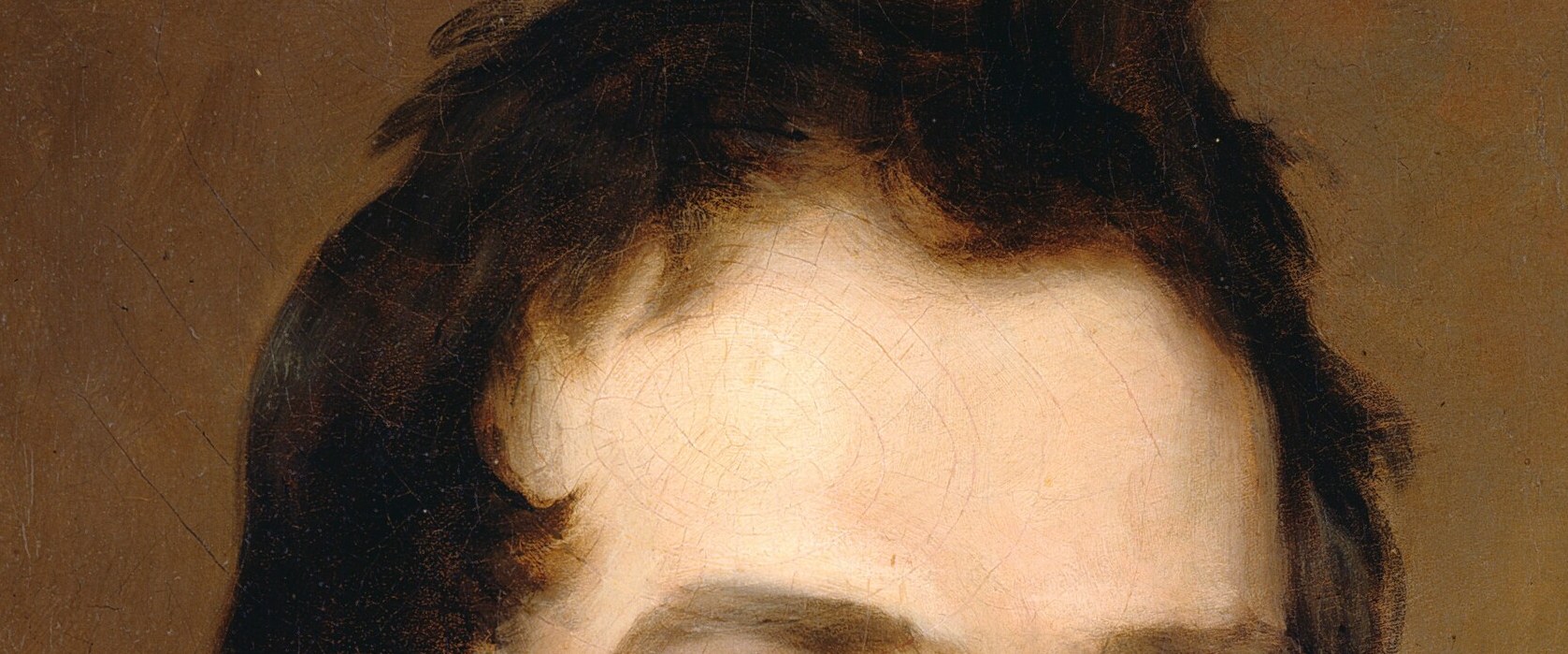
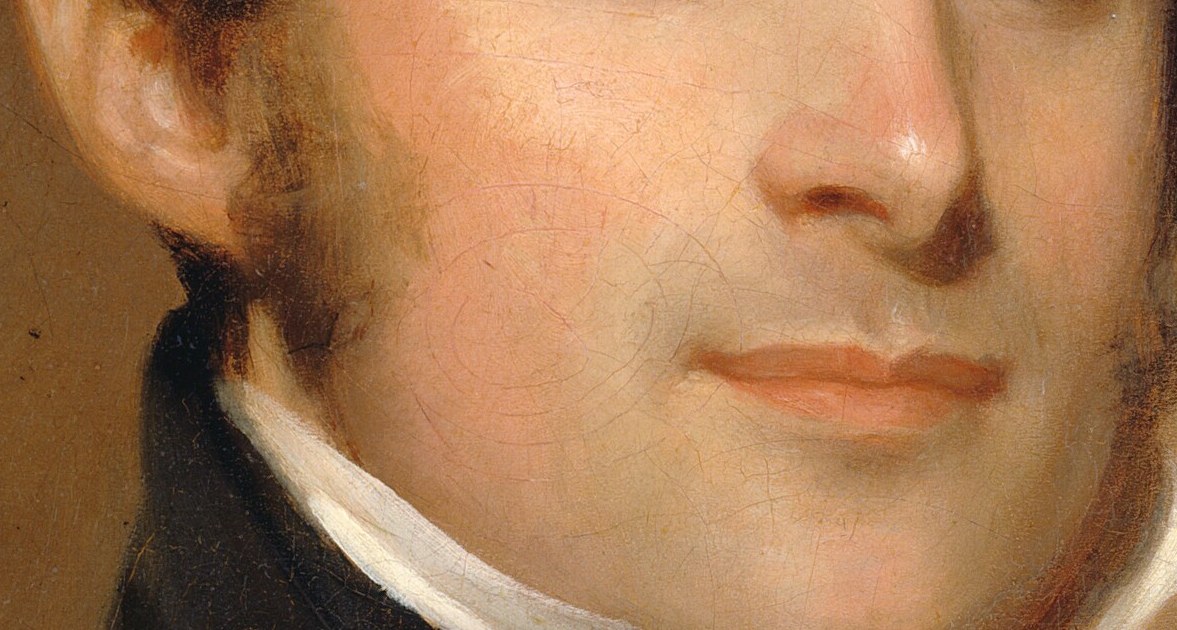
Look at the face closely and you can see Sully building that argument in paint. He lit the face from the side, carving the nose and jaw with shadow in a way that turns flesh into sculpture. The white cravat is the only real flash of brightness, anchoring the whole sober composition and marking Hopkinson as a gentleman-scholar. There is no clutter, no anecdote. Just a man and the idea of him.
Hopkinson himself had been more than a politician: a lawyer, a musician who composed early American songs, and a satirist who wrote against the Crown before the war. The portrait does not try to show all that. It wants you to see something simpler, and maybe that is the point: a new country, looking back at its old heroes, deciding what they meant.
Details
Transcript
The year is 1834. The Revolutionary War ended half a century ago. The last men who signed the Declaration are almost all gone. So this painter was hired to bring one of them back. He is not painting from life. The sitter died in 1791. Instead, he worked from memory, old sketches, and written descriptions. Look at the face. It is less a likeness than an argument. An argument that the founding generation was serious, composed, permanent.