Leaving for the Hunt by Gerrit Adriaenszoon Berckheyde
Gerrit Adriaenszoon Berckheyde’s 'Leaving for the Hunt,' painted in 1660, is a vibrant oil landscape held by the State Hermitage Museum. It beautifully illustrates a moment of aristocratic life in the Dutch Golden Age.
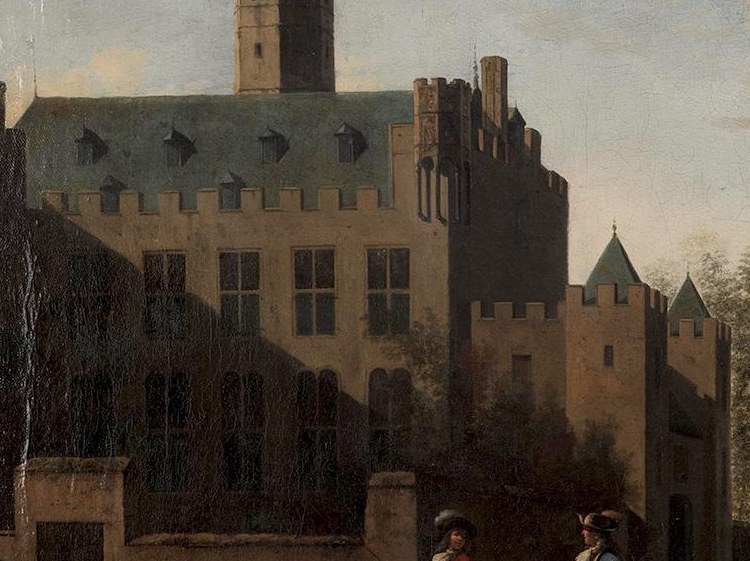
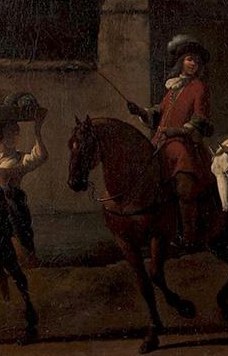
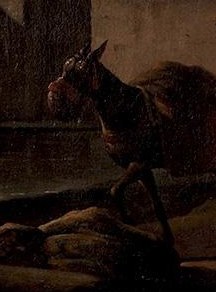
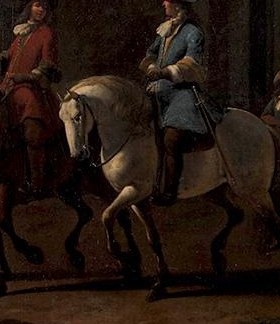
The painting captures a bustling departure from a grand manor, with finely dressed riders and an eager hound leading the way. Look closely at the manor building and the detailed attire of the figures, which underscore the wealth and status associated with such pursuits.
Berckheyde, primarily known for his cityscapes, extended his interest in built environments to this narrative scene. The hunt was a significant social ritual of the era, reflecting contemporary Dutch interest in rural sport and its associated prestige. The artist masterfully uses light and shadow to create depth and realism.
This work offers a fascinating glimpse into the social fabric and leisure activities of 17th-century Dutch society. What details in the painting surprise you most?
Details
Transcript
This Dutch Golden Age painting depicts a grand departure. Notice the imposing manor, signaling wealth and status. The riders in fine attire show the privilege of the hunt. And this eager hound represents the pursuit itself. The whole scene is a snapshot of aristocratic life in 1660. It captures a specific social ritual of the time.