Charles IV in Red by Francisco Goya
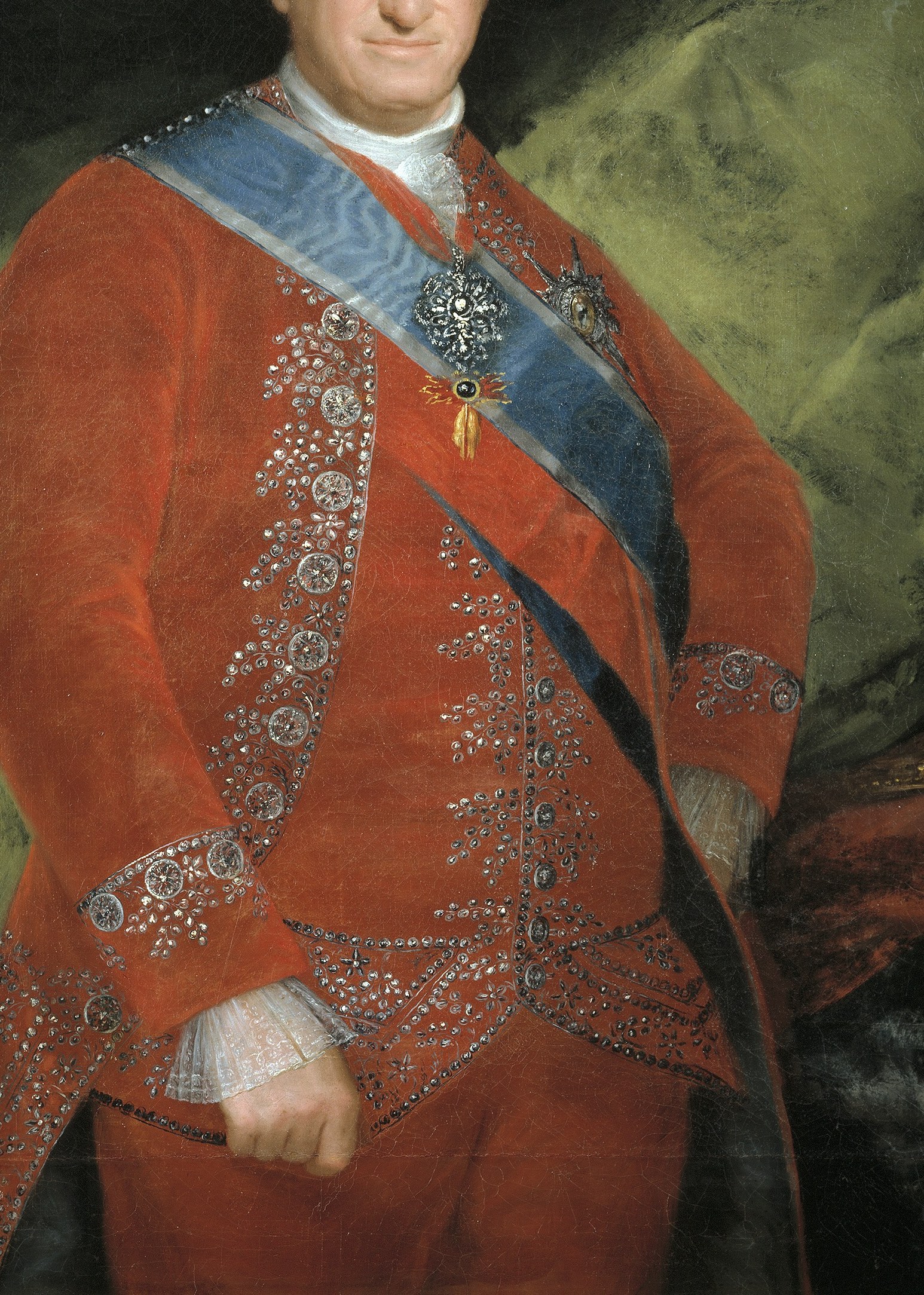
Francisco Goya's portrait of *Charles IV in Red*, painted in 1795, captures the Spanish monarch during a period of significant European upheaval. The painting, now held at the Museo del Prado, reflects Goya's early work, balancing Rococo elegance with emerging realism.
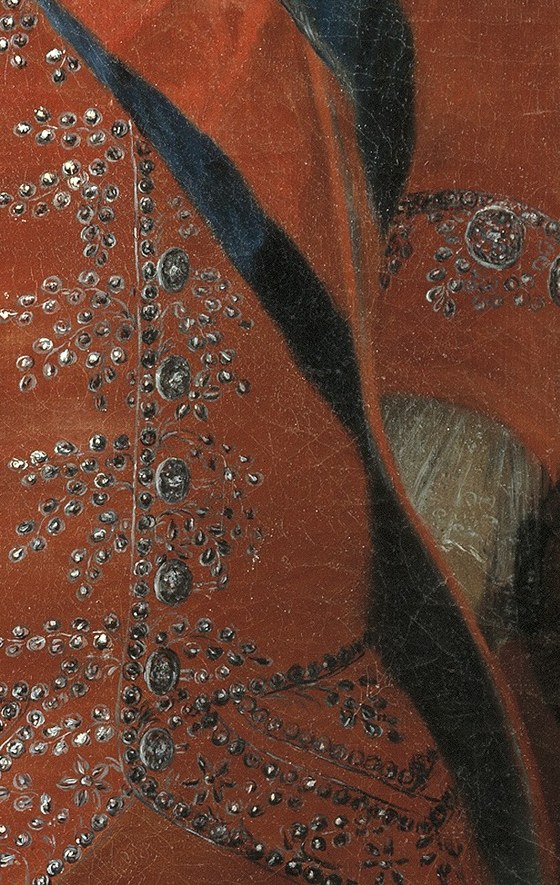
Observe the king's vivid red coat, a symbol of immense wealth and status. The intricate silver embroidery, particularly on his lapel and cuff, is a testament to the meticulous craftsmanship Goya employed, a process that could take months to complete.
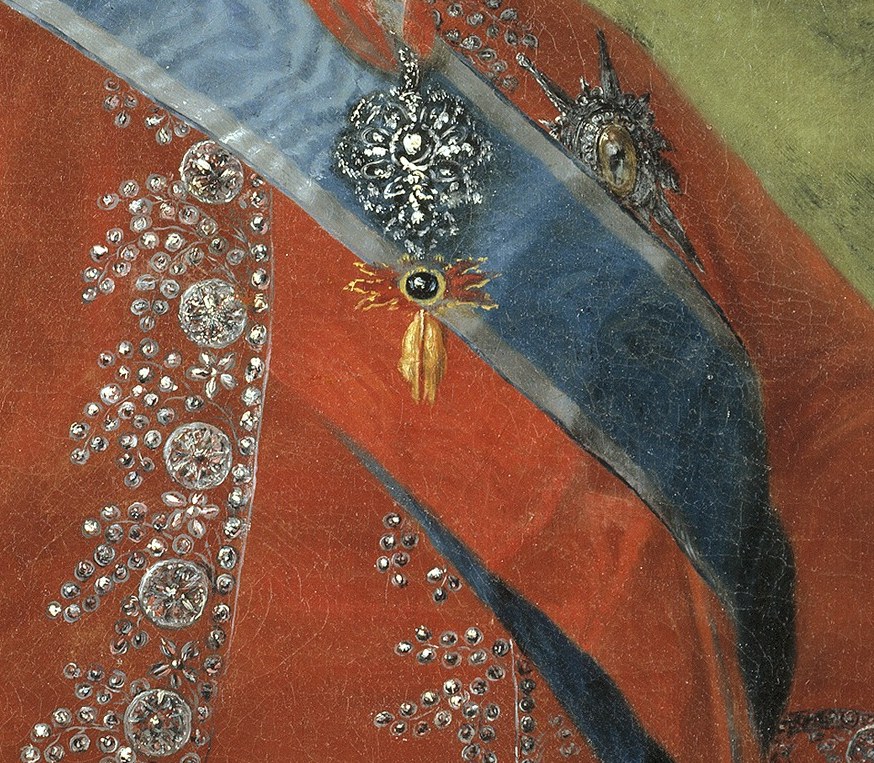
Charles IV is adorned with the insignia of several prestigious orders, including the Golden Fleece, the Order of Saint Januarius, and the Order of the Holy Spirit, each highlighting his high rank and extensive affiliations. Goya's early portraits, like this one, were instrumental in shaping the visual representation of Spanish royalty for decades.
What details in royal portraits do you find most telling about the era?
Details
Transcript
This is King Charles IV of Spain, painted in 1795. His red coat displays immense royal wealth and status. Look closely at the intricate silver embroidery on his lapel. This detailed work took the painter, Goya, months to finish. The Golden Fleece insignia shows his chivalric connections. Goya's early portraits defined Spanish royalty for decades.