Napoléon I (1769–1821) by Jean-Baptiste Isabey (French, 1767–1855)
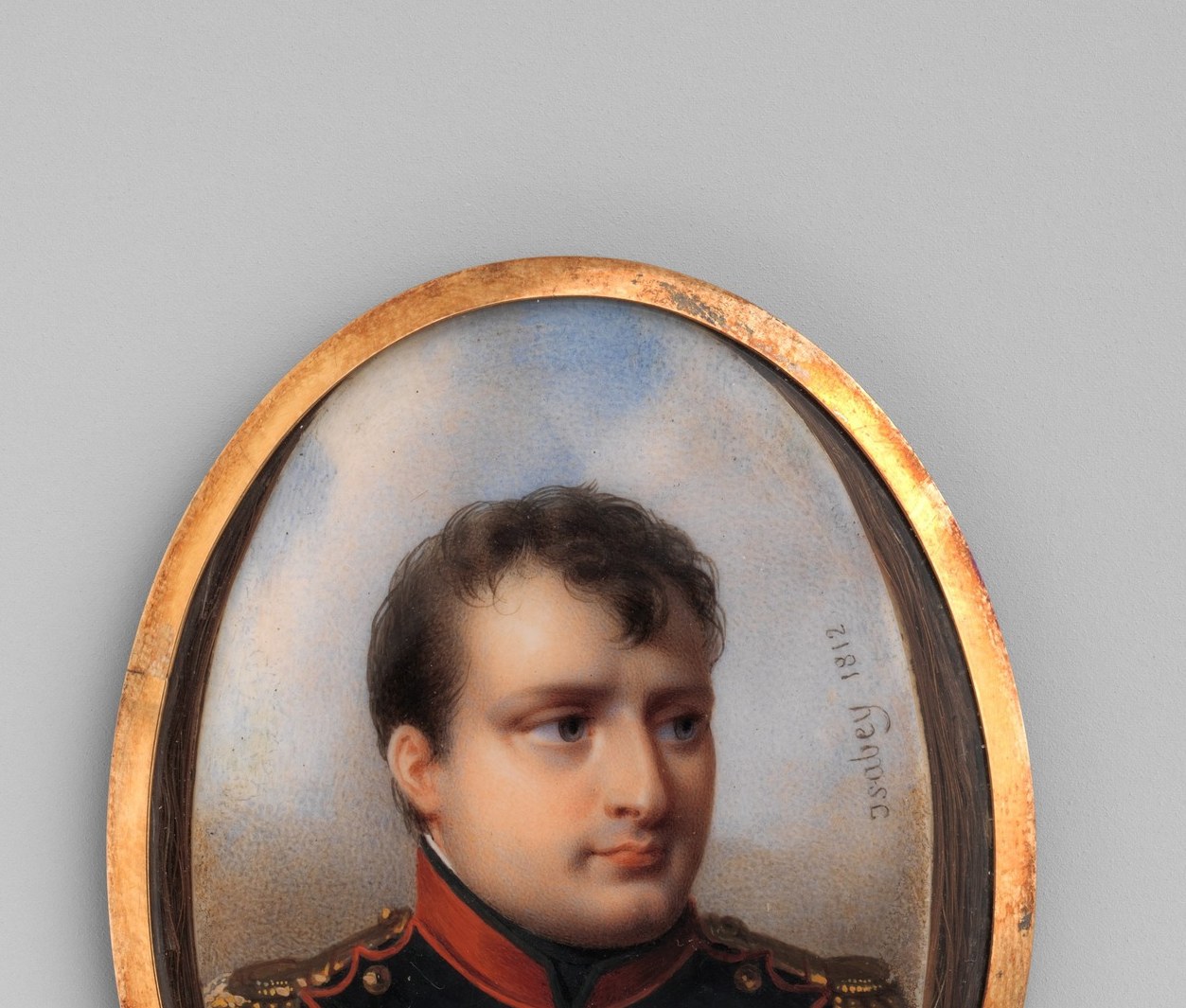
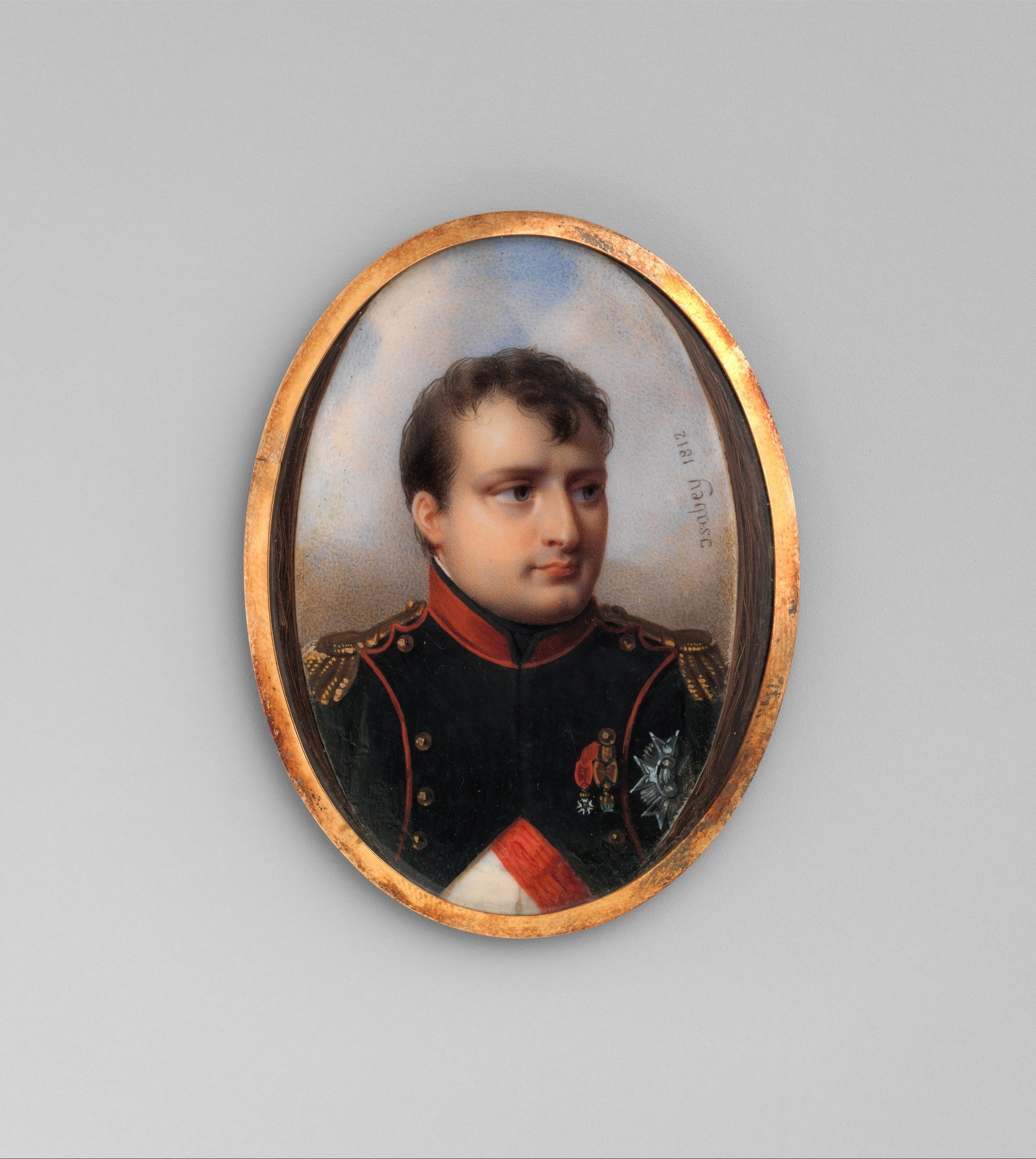
This is *Napoléon I*, painted by Jean-Baptiste Isabey in 1812, now in the collection of The Metropolitan Museum of Art. It is a miniature: barely four inches tall, small enough to be cupped in a single hand or set into the lid of a snuffbox. The fact that Isabey could build volume, rank, and psychology inside an oval this tiny, using brushes made of a single sable hair, marks the very summit of a craft that the invention of photography would soon make antique.
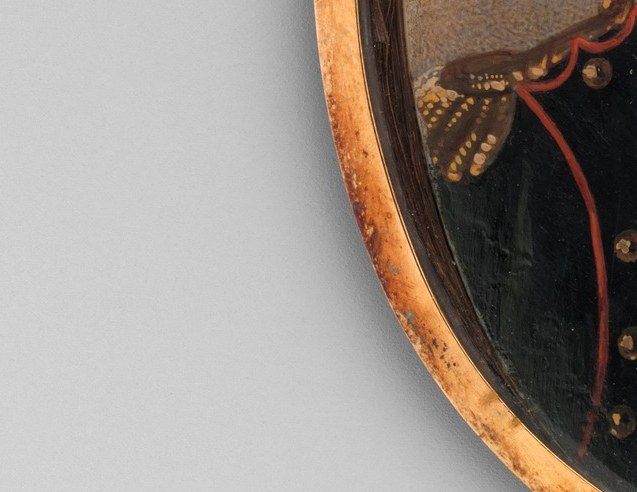
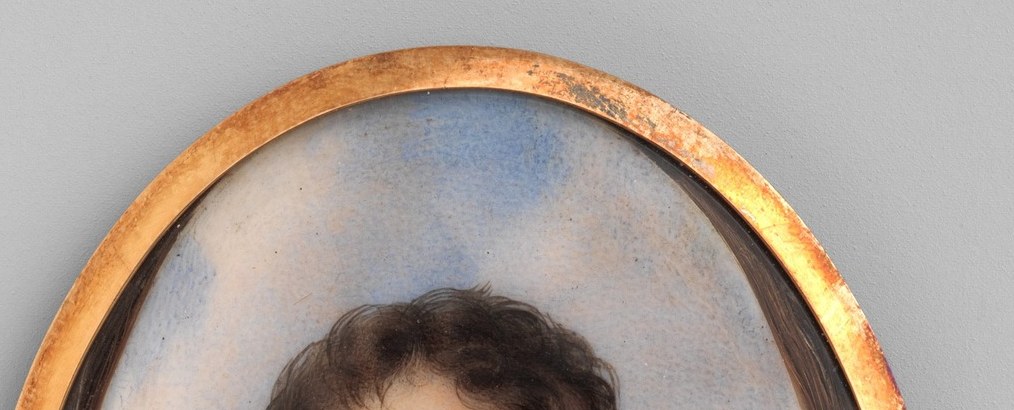
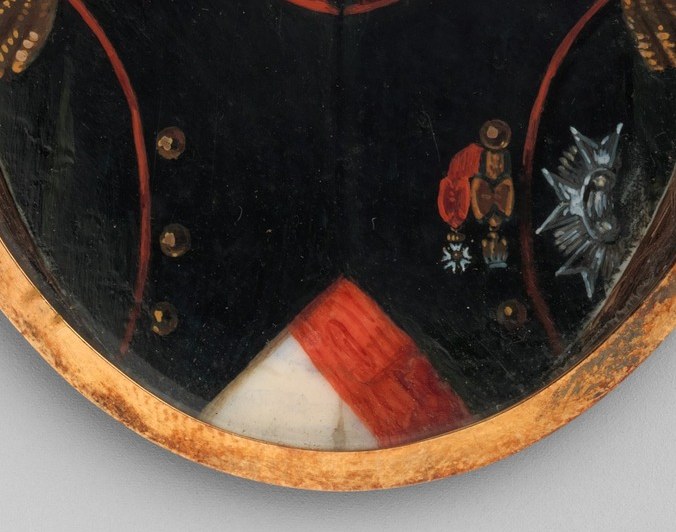
Move your eye to the gleaming gold of the epaulette and the precise red collar lapels. The bullion fringe is not a smear but a sequence of individual, variegated strokes laid on ivory with gum arabic and watercolor. Beside this, the Légion d'Honneur star on his chest reads clearly at a distance of five millimeters. The pale blue-grey sky behind the figure removes him from any specific place, elevating a mortal body into an abstracted symbol of empire.
Isabey was the foremost miniaturist of the First Empire. He painted Napoleon many times, but this 1812 portrait arrived at the threshold of the Russian campaign: the moment of maximum imperial reach. The gift-sized frame tells you it was never meant for a museum wall. Small portraits like this one circulated as diplomatic tokens, personal gifts, intimate objects of loyalty that could be closed inside a locket or carried across a continent.
Contrast the obsessive craft with the man depicted: the fleshy jaw and composed, unreadable eyes belong to a ruler about to overreach on an epic scale. Does the face reveal the future, or does the miniaturist simply paint what he sees, down to the last button?
Details
Transcript
You can hold Napoleon in the palm of your hand. This painted miniature is barely four inches tall. Look at the gold bullion on his epaulette. Every thread is a single hair from a sable brush. The artist mixed pigment with gum arabic on an ivory disc. Steady eyes, a softening jaw: Isabey erased nothing. The Légion d'Honneur star, painted the year he marched on Moscow.