明/清 佚名 仿方從義 巢雲圖 卷|Miniature Landscape by Xia Gui
This small handscroll, titled Miniature Landscape, is an anonymous work from 1639, painted in the style of the 14th-century master Fang Congyi. It's currently held in a private collection, a testament to the enduring appreciation for traditional Chinese landscape art.
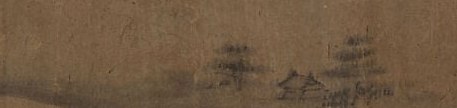
Notice the solitary mountain peak, a symbol of permanence and strength in Chinese art. The swirling mists, by contrast, represent the ephemeral nature of life and the passing of time. The artist's subtle brushwork and the delicate details, like the faint lines within the mist, invite intimate contemplation.
The practice of copying earlier masters was a respected form of artistic study and homage in China, allowing later generations to engage with and perpetuate established aesthetic traditions. This piece showcases that tradition beautifully, building a complete world with remarkable precision on a small surface.
What feelings does this miniature world evoke in you?
Details



Transcript
This ancient painting invites you into a misty world. In Chinese art, mountains symbolize permanence and strength. This painting, from 1639, is an homage to an earlier master. The swirling mists represent the ephemeral, the passing of time. Its subtle detail, like this faint line, rewards close looking. Together, these elements suggest nature's enduring, yet changing, power.