The Edge of the Woods by Narcisse Virgilio Díaz
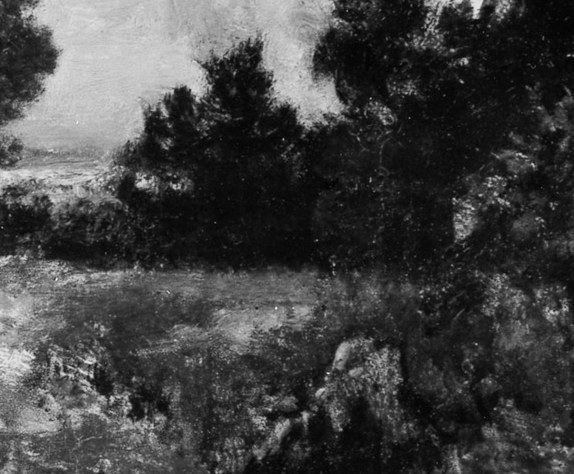
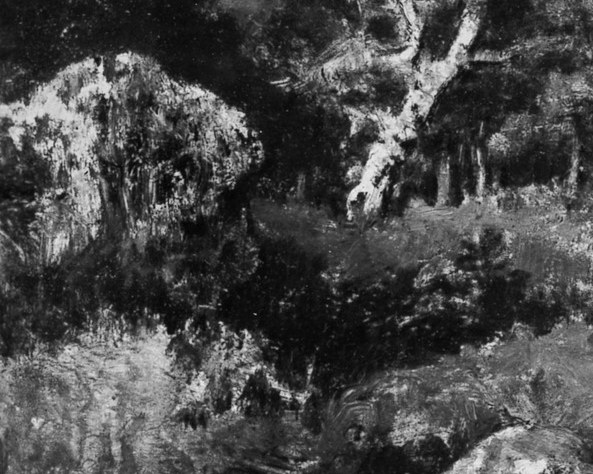
“The Edge of the Woods,” painted by Narcisse Virgilio Díaz in 1872, is a tranquil oil painting held at The Metropolitan Museum of Art. It embodies the Barbizon School's approach to landscape, treating nature as a worthy subject in itself.
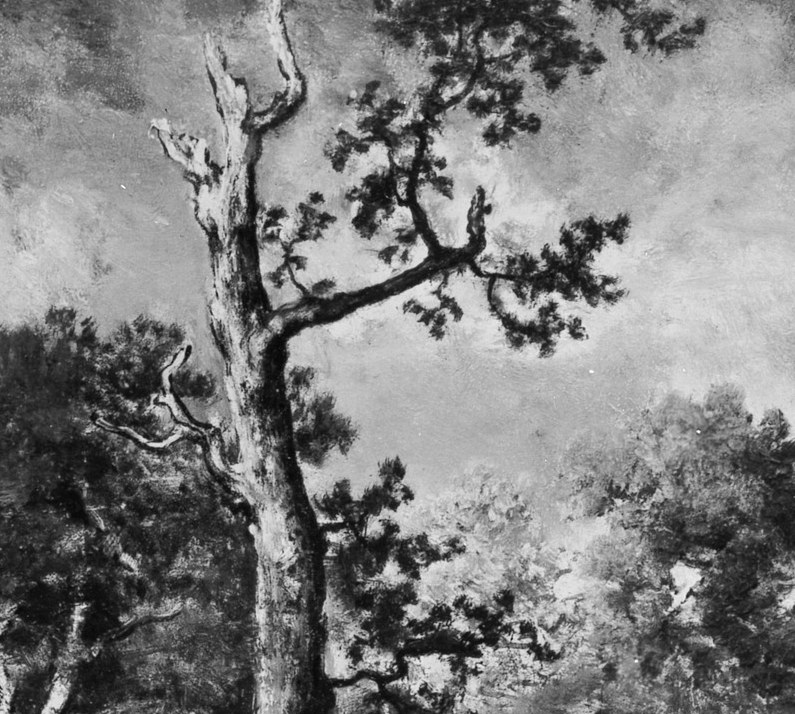
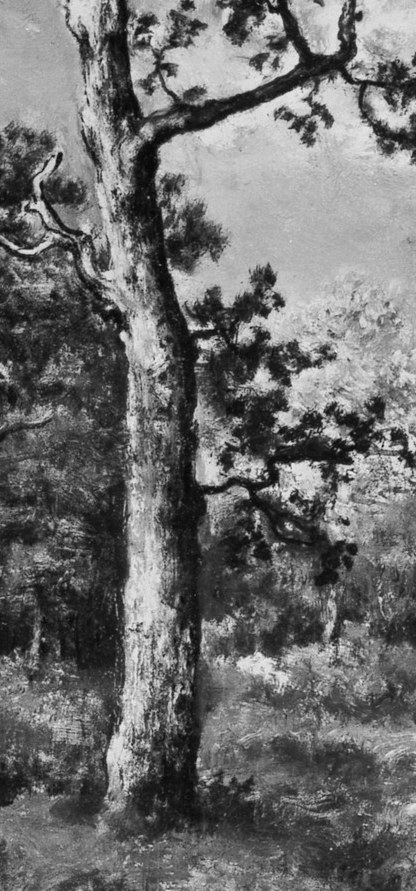
Focus on the central tree's gnarled trunk and sprawling branches. Díaz used thick, visible brushstrokes to evoke the rough texture of the bark and the richness of the foliage, contributing to the painting's quiet, almost monochromatic character.
Díaz (1807-1876) was a prominent French artist who, along with others in the Barbizon School, challenged academic traditions by painting directly from nature. This practice led to a new appreciation for natural landscapes, moving beyond mere backdrops for historical or mythological scenes.
This painting invites a moment of contemplation, revealing the beauty found in the quiet details of a forest.
Details
Transcript
This painter was a key figure in French landscape art. He was part of the Barbizon School, who painted outdoors. They focused on landscapes as subjects in their own right. Here, thick brushstrokes capture the bark's rough texture. This quiet scene was painted in 1872, oil on canvas. Look closely for the artist's signature and the date.