Head of a Man by Vasily Perov
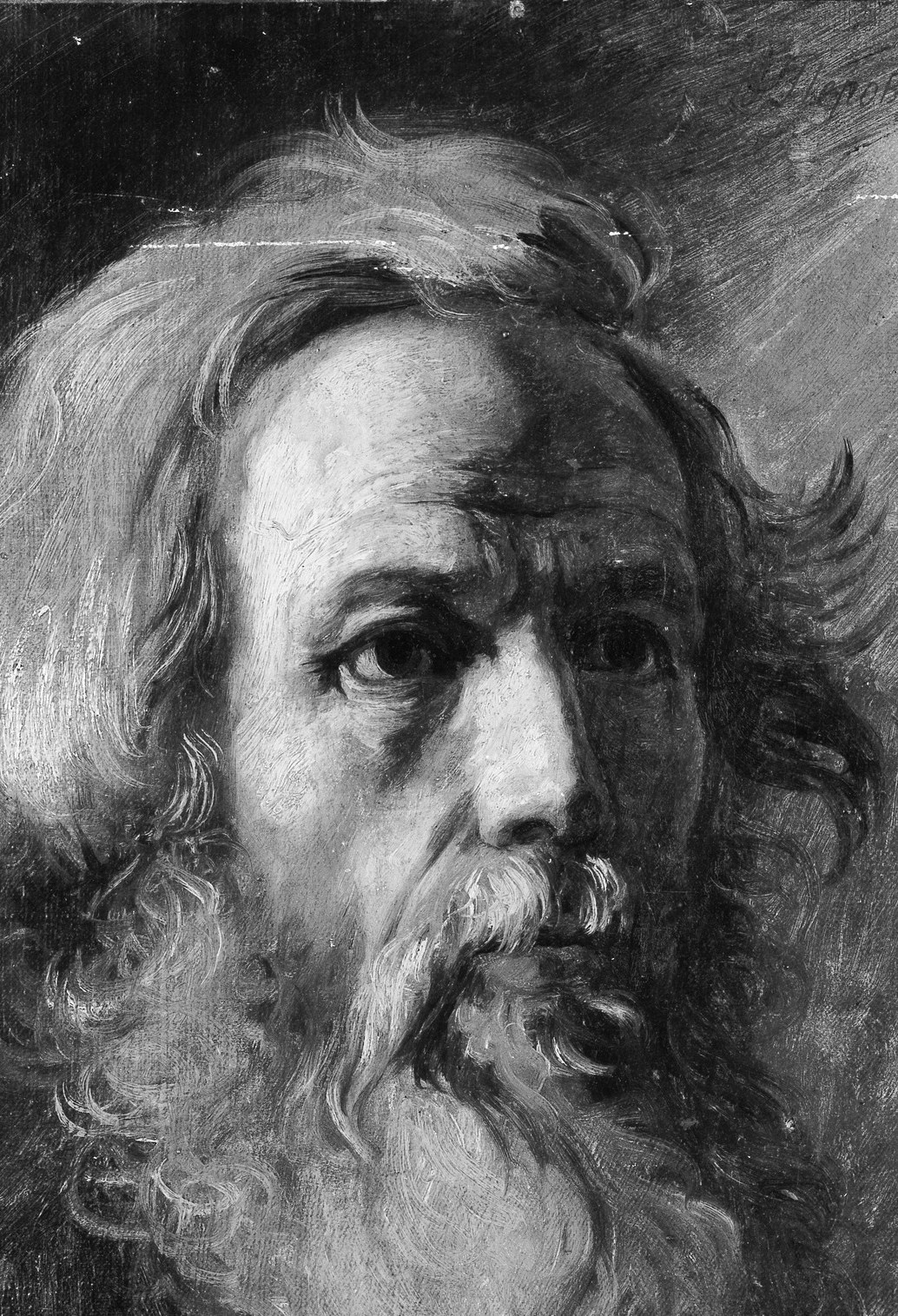
Vasily Perov painted "Head of a Man" in 1888, a portrait of an unknown elder that is both a technical masterwork and a quiet document of the artist's own suffering. It is in the collection of The Metropolitan Museum of Art.
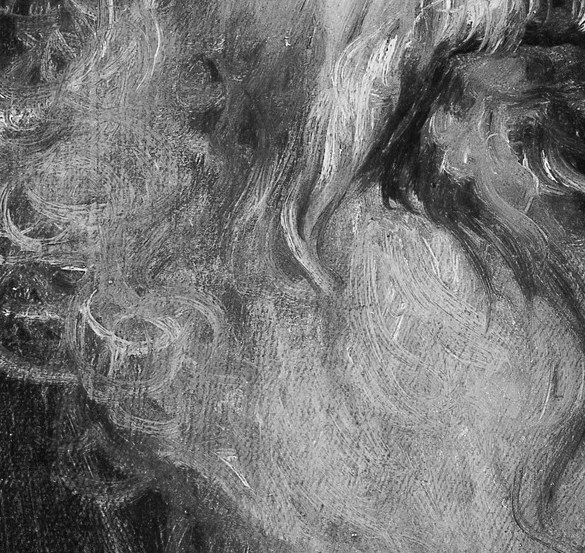
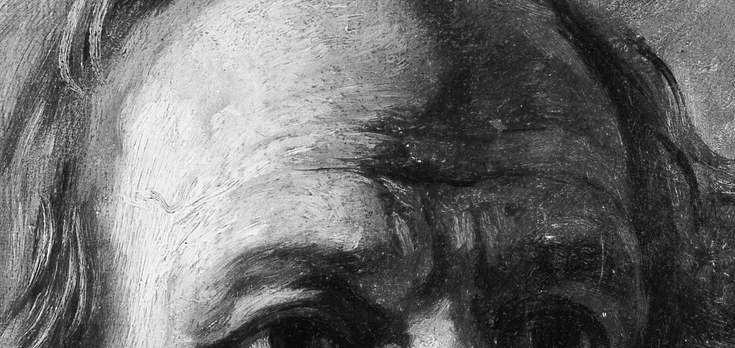
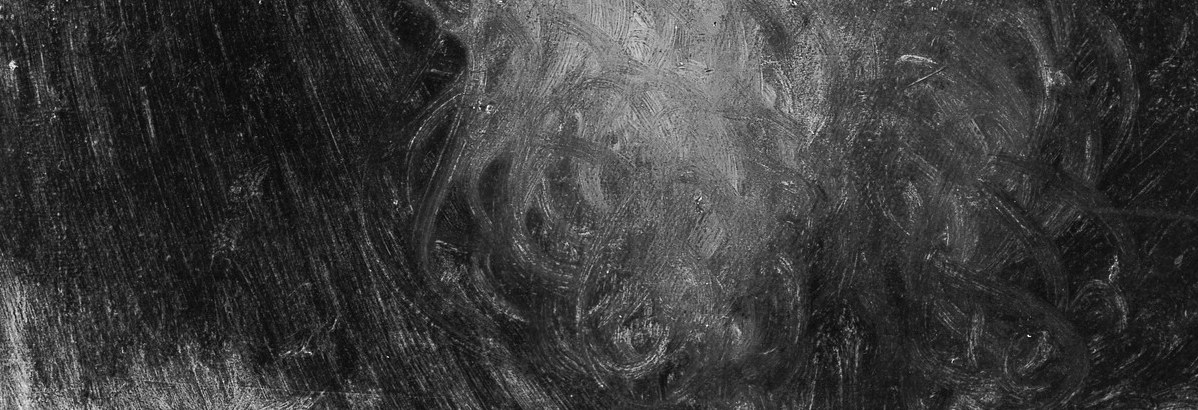
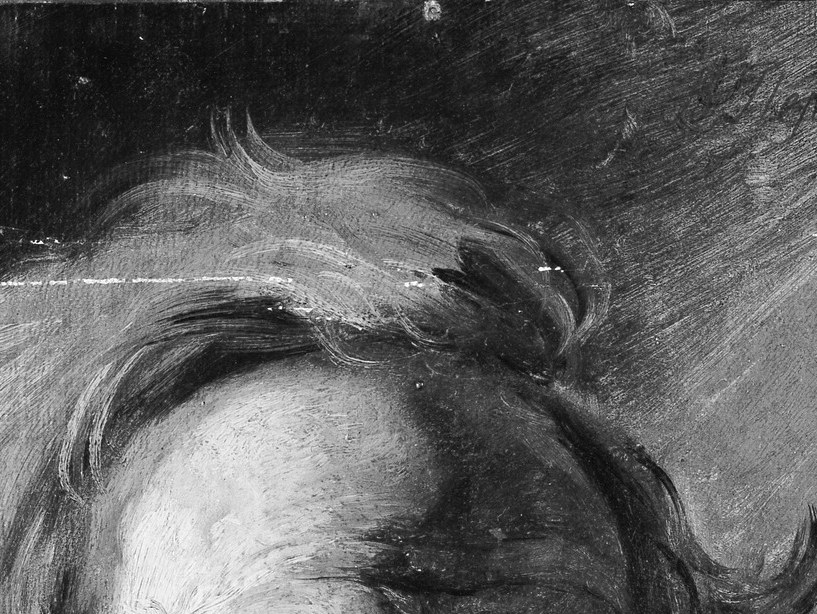
Look first at the piercing asymmetry of the eyes, one brilliantly lit and one retreating into shadow. The thick, bravura brushstrokes of the beard dominate the canvas, but it is the furrowed brow and the hand lifted to the chin that transform a formal study into a psychological moment. Perov erases the man's clothing into the dark background, forcing us to confront only the gravity of the face.
Perov was a key figure in the Russian Realist movement and a founding member of the Wanderers, a radical collective that rejected academic conventions to depict everyday life with brutal honesty. By 1888, however, he was in steep decline. He was dying of tuberculosis, alienated from his former colleagues, and living in severe poverty. This portrait was not a study of a peasant or a saint, but a late-career attempt to capture the interior state of a soul under pressure.
It is impossible not to see the artist in the sitter's searching, weary expression. A master of human truth, painting what he himself was enduring.
Details
Transcript
He looks like a prophet or a patriarch. Vasily Perov painted him in 1888, in the last years of his life. The hand lifted to the chin is a classic pose of deep thought. The furrowed brow and shadowed eyes hold a searching, inward gravity. Perov was a founding member of the Wanderers, a radical realist group. They rejected idealization for the unflinching Russian truth. But by the time of this painting, Perov was dying of tuberculosis. He was alienated from his friends and wracked by poverty and pain.