The Cup of Tea by Mary Cassatt
View the artwork: The Cup of Tea →
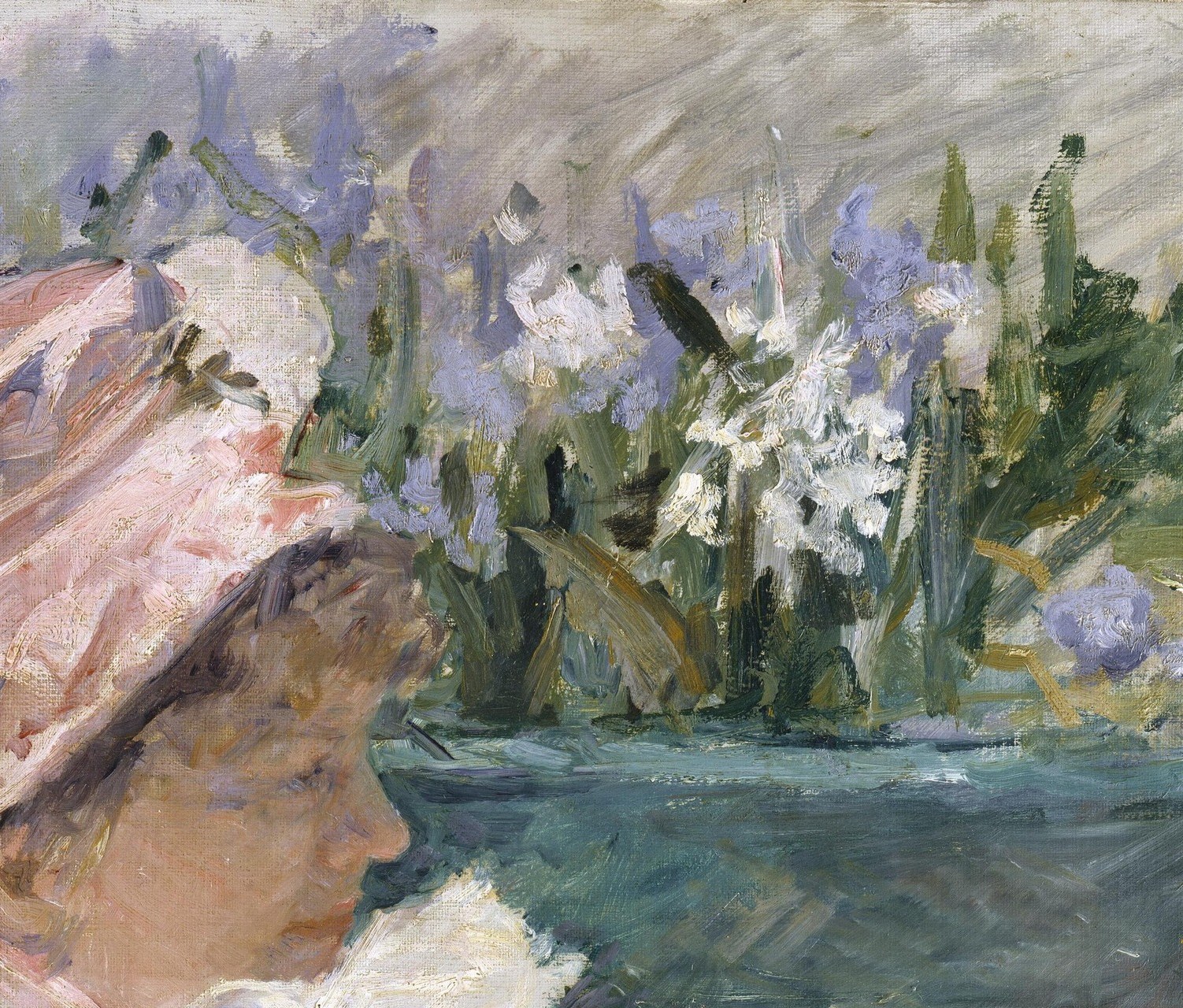
This is Mary Cassatt's The Cup of Tea, painted in Paris around 1880. It hangs in the Metropolitan Museum of Art. The woman holding the teacup is Lydia Cassatt, the painter's older sister.
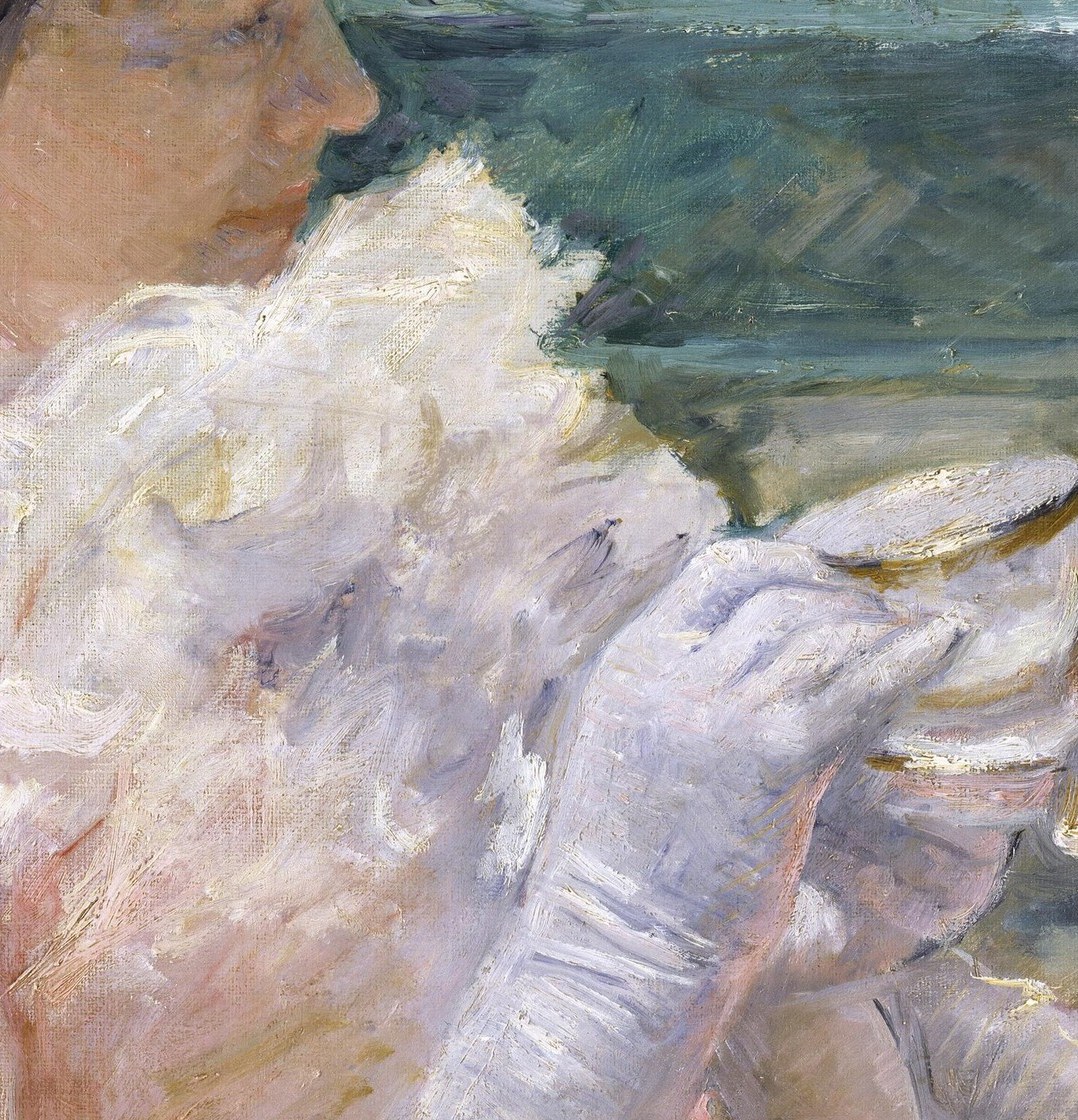
Lydia had moved to Paris to live with Mary and often modeled for her. But by the time this was painted, Lydia was gravely ill with Bright's disease, a chronic kidney condition that caused extreme fatigue and weakness. She could only pose for short bursts before needing to rest. Cassatt painted this fleeting domestic moment around her sister's limitations, capturing what she could in the time Lydia could give her.
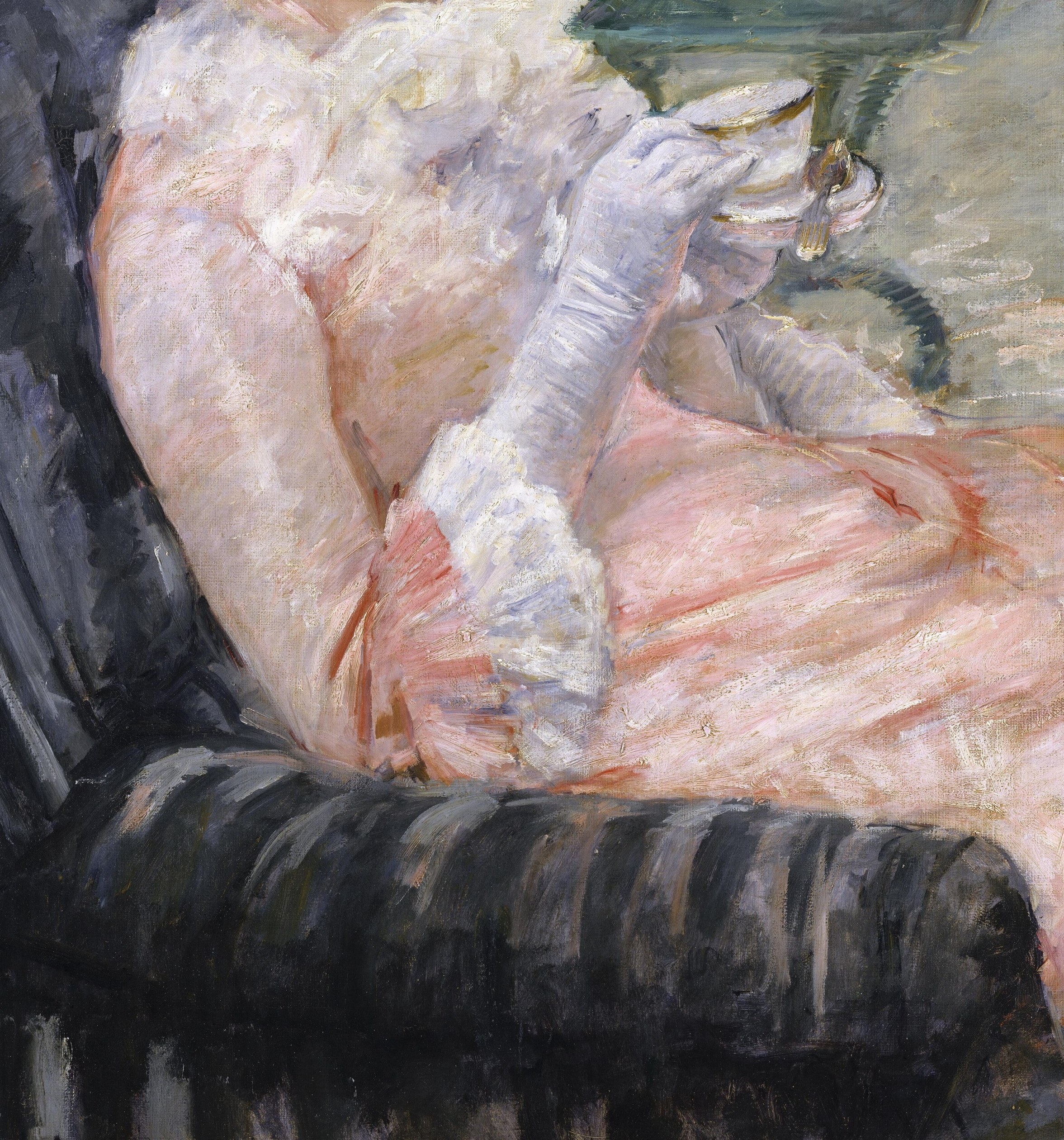
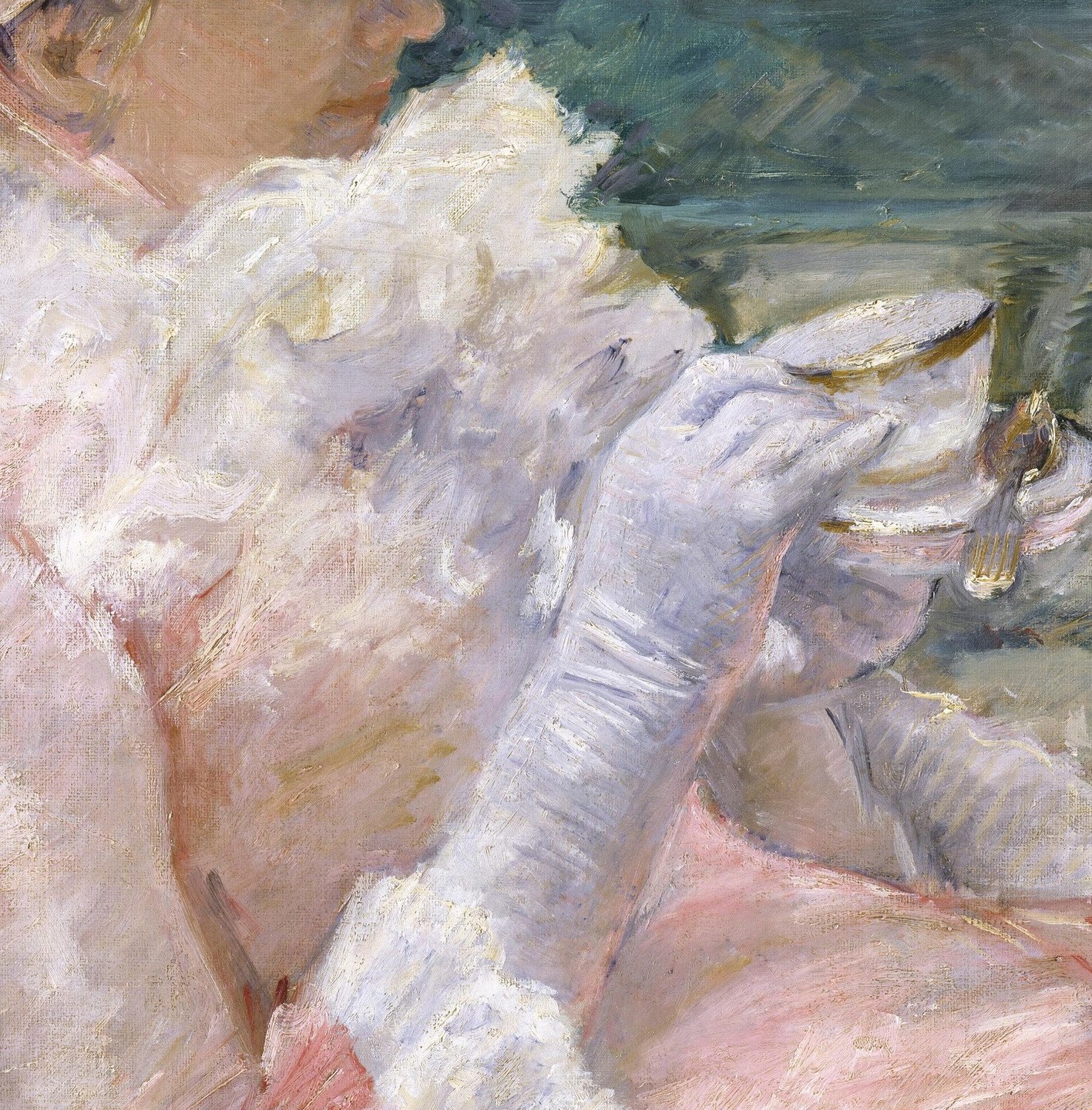
The painting is built on stillness. The gloved hands are rendered with particular care because they were the most reliable thing in the room, held steady by the simple act of taking tea. The loose pink silk, the shimmer of the dress, the pale grey-green wall that recedes into nothing: Cassatt used every Impressionist tool she had to make a permanence out of a moment that was slipping away.
Lydia died in 1882, about two years after this was painted. Cassatt never stopped painting women in quiet rooms, but she never again painted this particular face.
#arthistory #marycassatt #impressionism
Details

Transcript
The woman holding the teacup is Lydia Cassatt. She was the painter's older sister. Look at how the pink silk shimmers. Now look at her face. Lydia was dying of Bright's disease while she posed. She could only sit for a few minutes at a time. Mary Cassatt painted her sister's hands precisely because they were still. The tea was warm. The ritual was a comfort.