Girl in a Pink Dress by Beardsley Limner, The
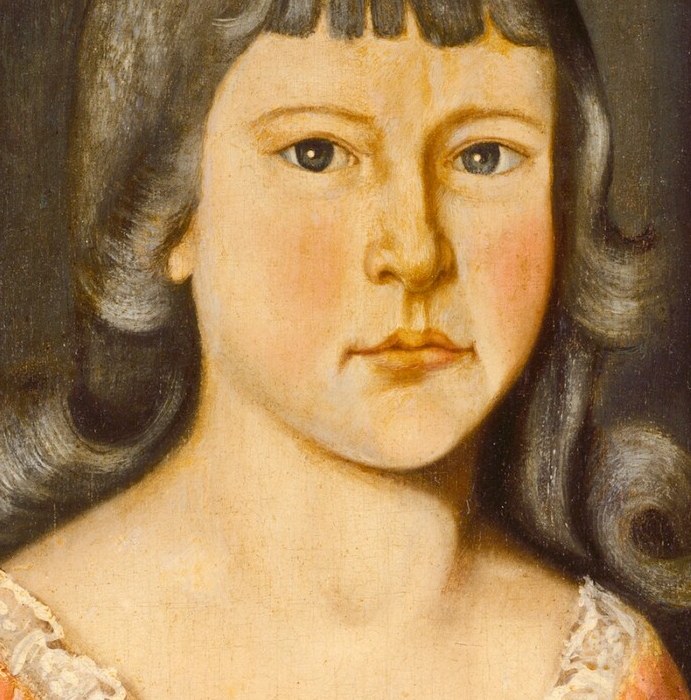
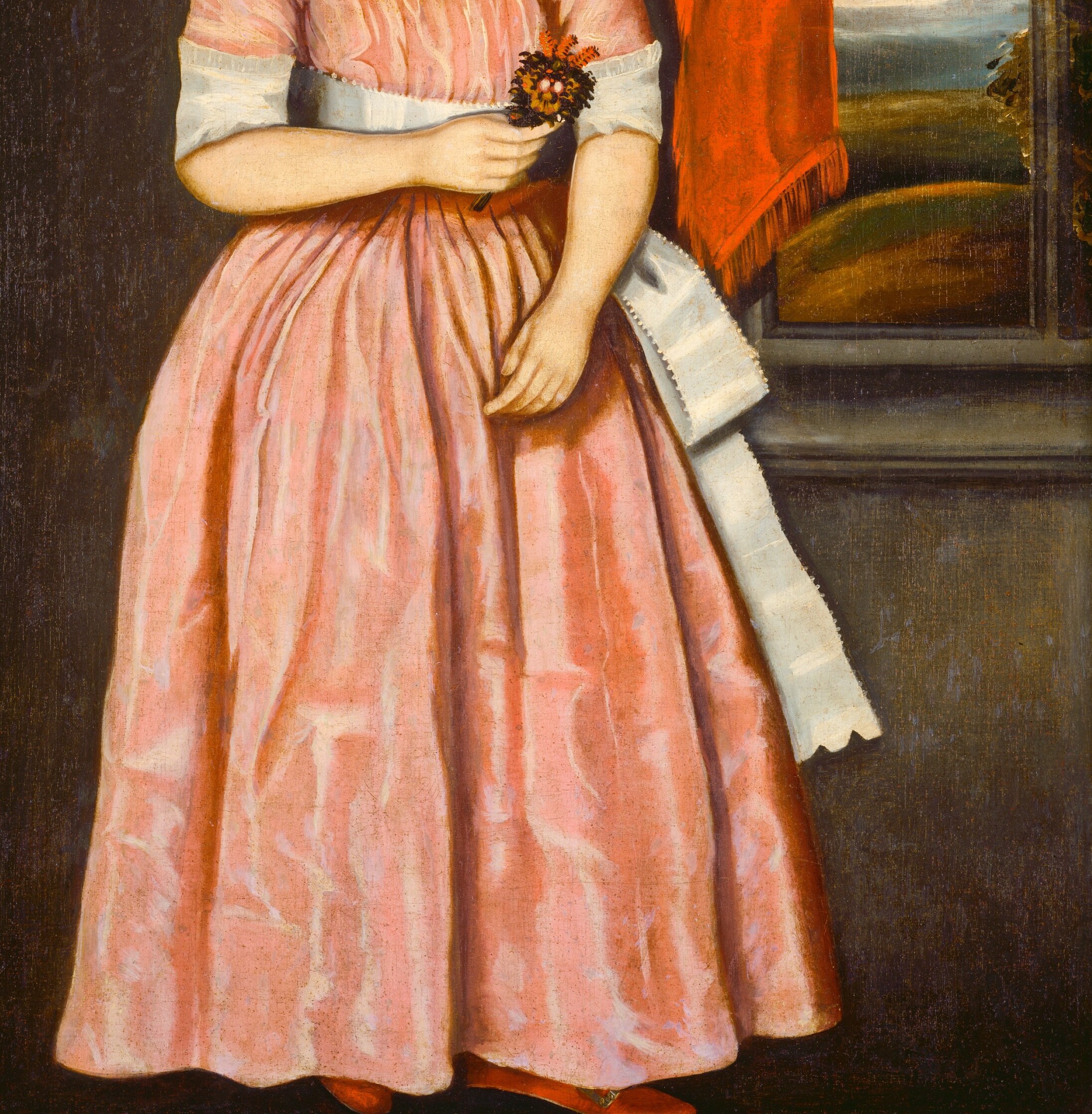
In "Girl in a Pink Dress," painted around 1790 by the artist known as The Beardsley Limner, a seemingly simple detail holds a poignant message. The young girl, elegantly dressed in a pink gown, looks out with a solemn expression, embodying the quiet presence characteristic of late 18th-century portraiture.
Notice the small bouquet of flowers she holds gently in her right hand. Far from being a mere accessory, these flowers are a symbolic element. In art of this period, such bouquets often represented youth and innocence.
This painting, now in a museum collection, captures not just a likeness but also a subtle narrative. It serves as a visual document of an individual, while also quietly reflecting on the transient nature of childhood, a theme often explored through symbolic details in art.
What other hidden meanings might you find in portraits from this era?
Details

Transcript
This portrait from 1790 shows a girl in her finest dress. Her expression is solemn, and she looks directly at us. She wears a white sash and delicate lace trim. But the small bouquet in her hand carries a message. Flowers like these were painted to symbolize youth and innocence. A quiet reminder of childhood's fleeting beauty.