Group portrait in a landscape by Jacob Gerritsz Cuyp
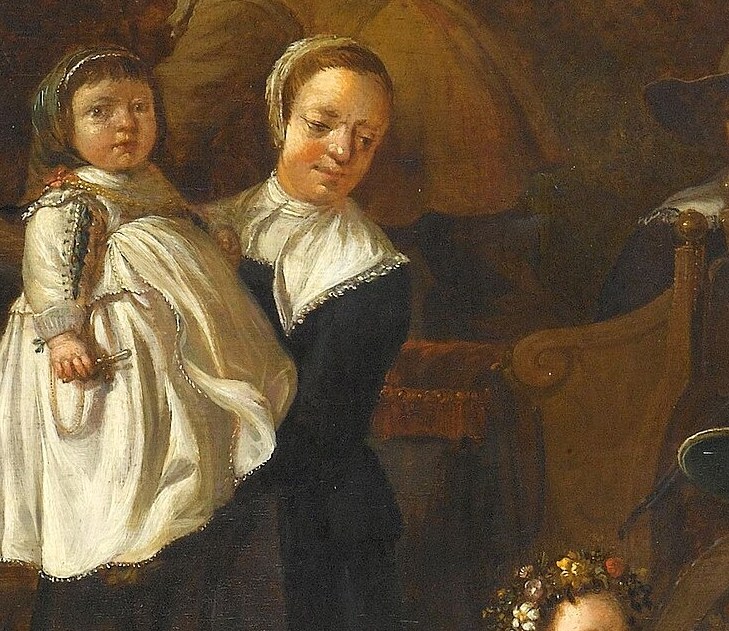
In 17th-century Holland, portraits were often more than just likenesses; they were statements of wealth and status. Jacob Gerritsz Cuyp's 'Group portrait in a landscape' from 1639, now at the Rijksmuseum, perfectly illustrates this.
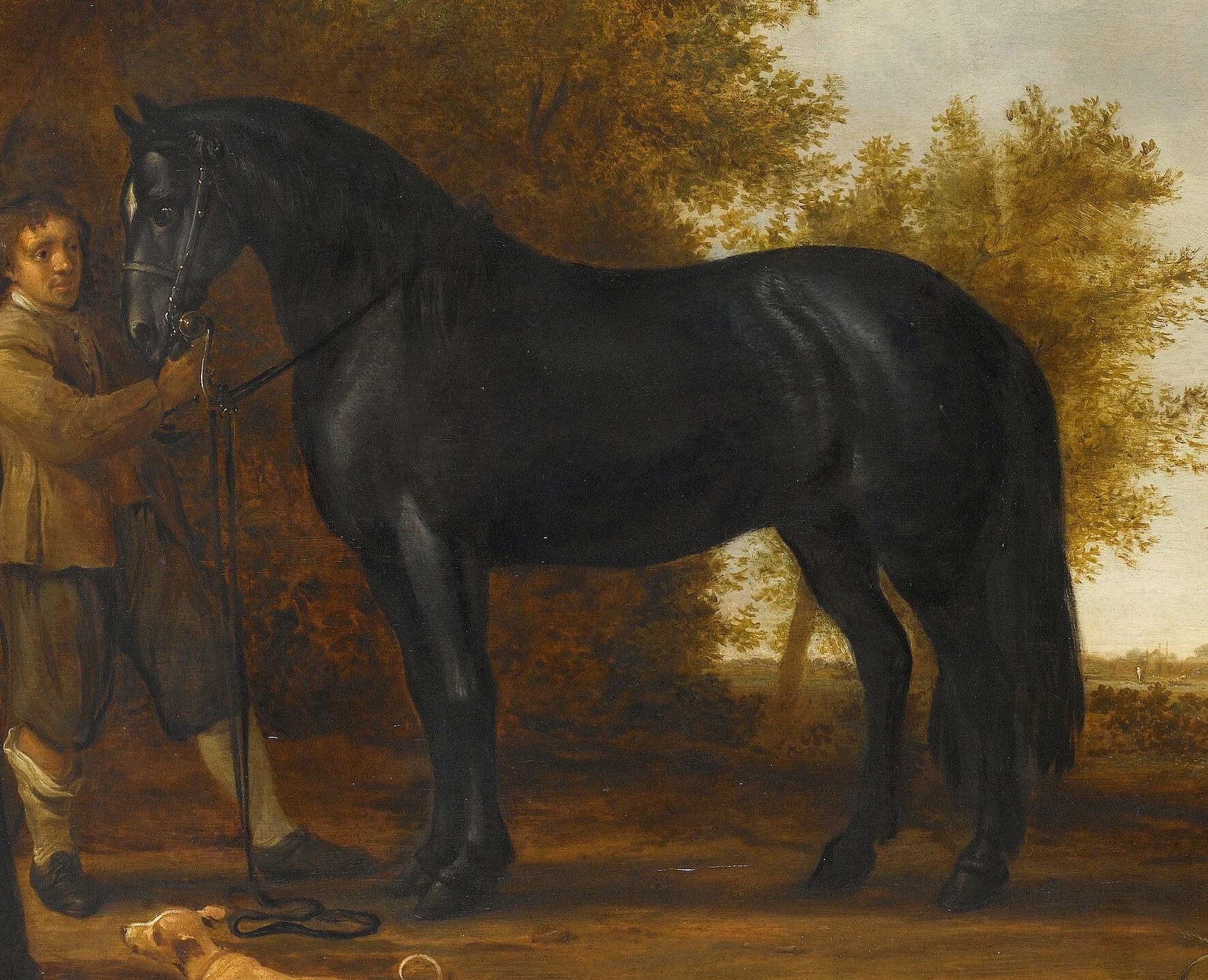
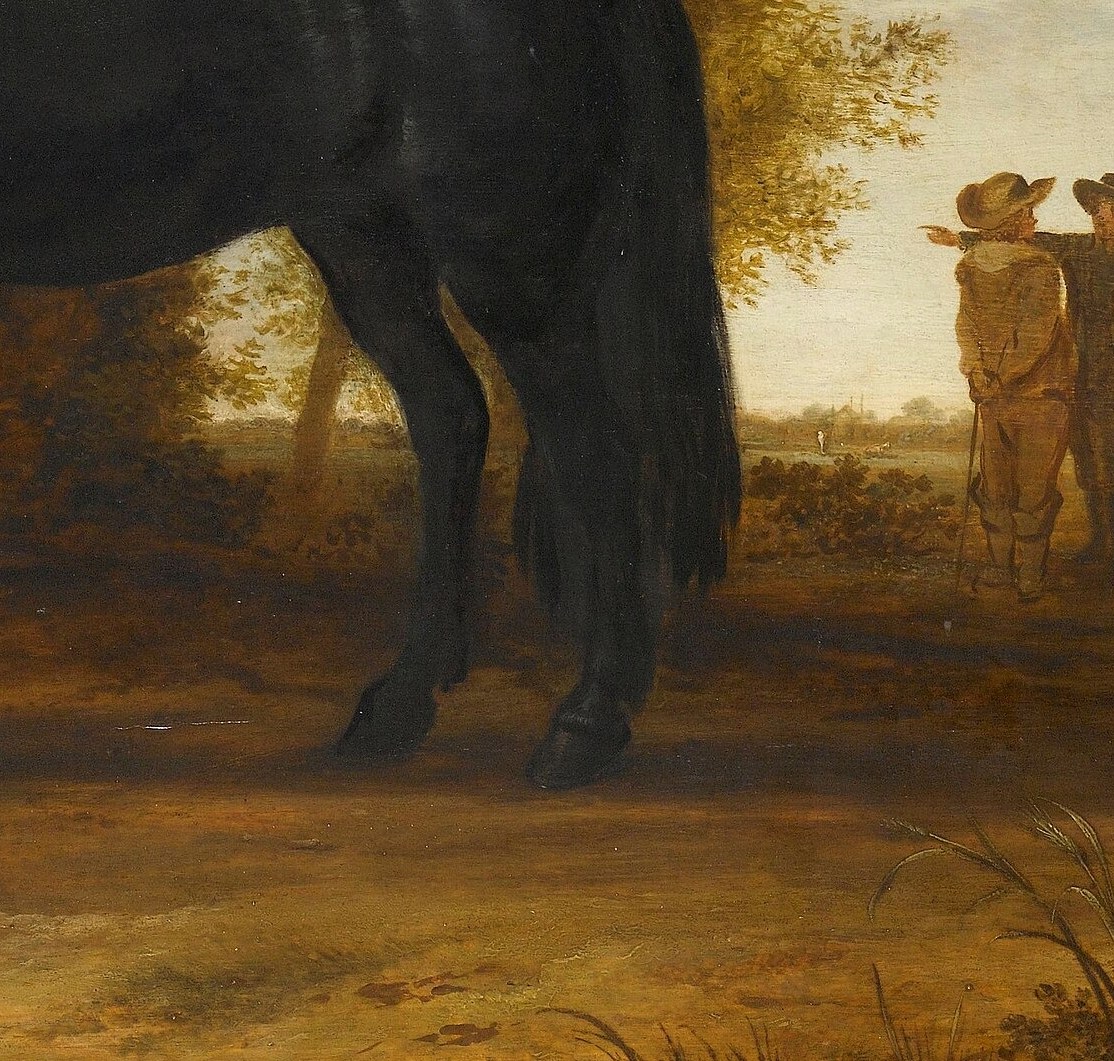
Look closely at the details: the powerful black horse, a luxury item of the era, and the woman cradling a lamb, symbolizing pastoral wealth. Even the child's floral garland and the lively dog hint at a prosperous, idyllic life.
Jacob Gerritsz Cuyp himself was a prominent painter in Dordrecht, though he is now often overshadowed by his son, Aelbert Cuyp, who became far more famous. This painting, however, stands as a testament to his own skill in capturing both family and landscape.
What other subtle details do you notice that speak to the family's standing?
Details
Transcript
This family shows off their wealth in 17th-century Holland. Only the richest could afford a black horse like this one. Notice the woman holding a lamb, a symbol of abundance. Every detail, from the garland to the dog, speaks of their status. This painter was the father of a much more famous artist. His son Aelbert Cuyp would become far better known.