The Terrace by Ludolf de Jongh
Ludolf de Jongh's *The Terrace*, painted in 1660, offers a captivating window into domestic life during the Dutch Golden Age. Held at the Art Institute of Chicago, this painting reflects an era of prosperity and cultural refinement.
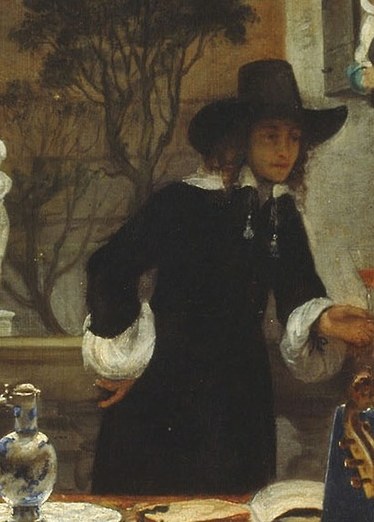
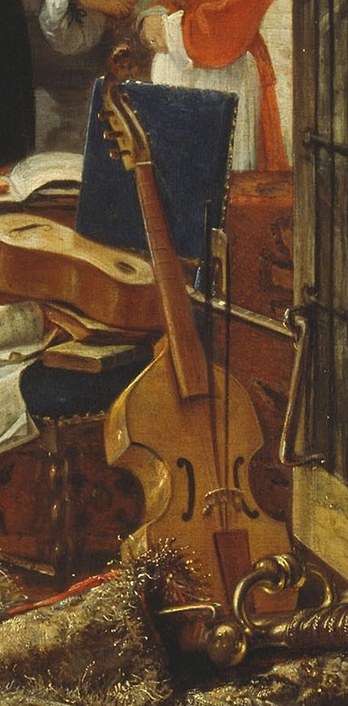
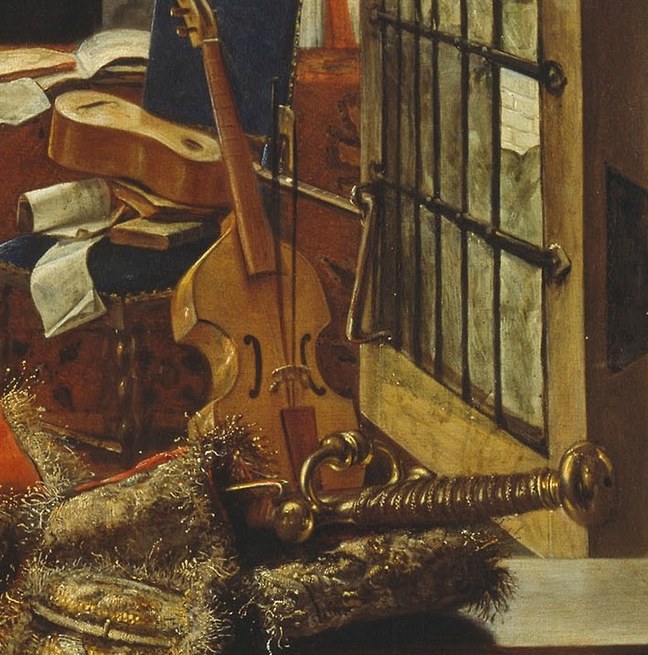
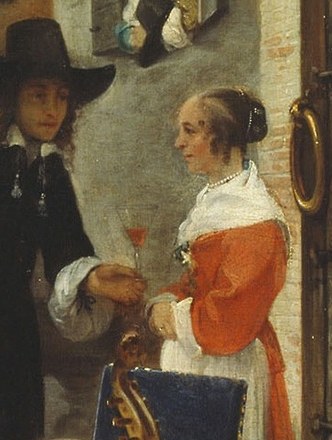
Observe the details: a man and woman engaging in polite conversation, a cello suggesting musical leisure, and luxurious textiles like the ornate tablecloth and patterned cushion. Even the small dog basking in the sun adds to the scene's serene domesticity, all set within a charming arbor and balcony.
De Jongh, a versatile artist, was not only a painter of genre scenes, landscapes, and portraits, but also a prominent citizen of Rotterdam, serving as a merchant, officer in the civil guard, and later as sheriff of Hillegersberg. His works are known for their realistic portrayal of contemporary life.
This painting invites us to imagine a quiet afternoon in a 17th-century Dutch home. What stories do you think these figures might be sharing?
Details
Transcript
In 1660, Dutch cities were thriving centers of trade and culture. This painting shows a glimpse into a wealthy home. Notice the cello, an instrument of leisure and education. The ornate tablecloth and cushion speak of luxury. Even a small dog enjoys the sun on the terrace. This painter was also a merchant and sheriff of Hillegersberg. His detailed scenes captured the refined life of his time.