The Dancing Couple by Steen, Jan
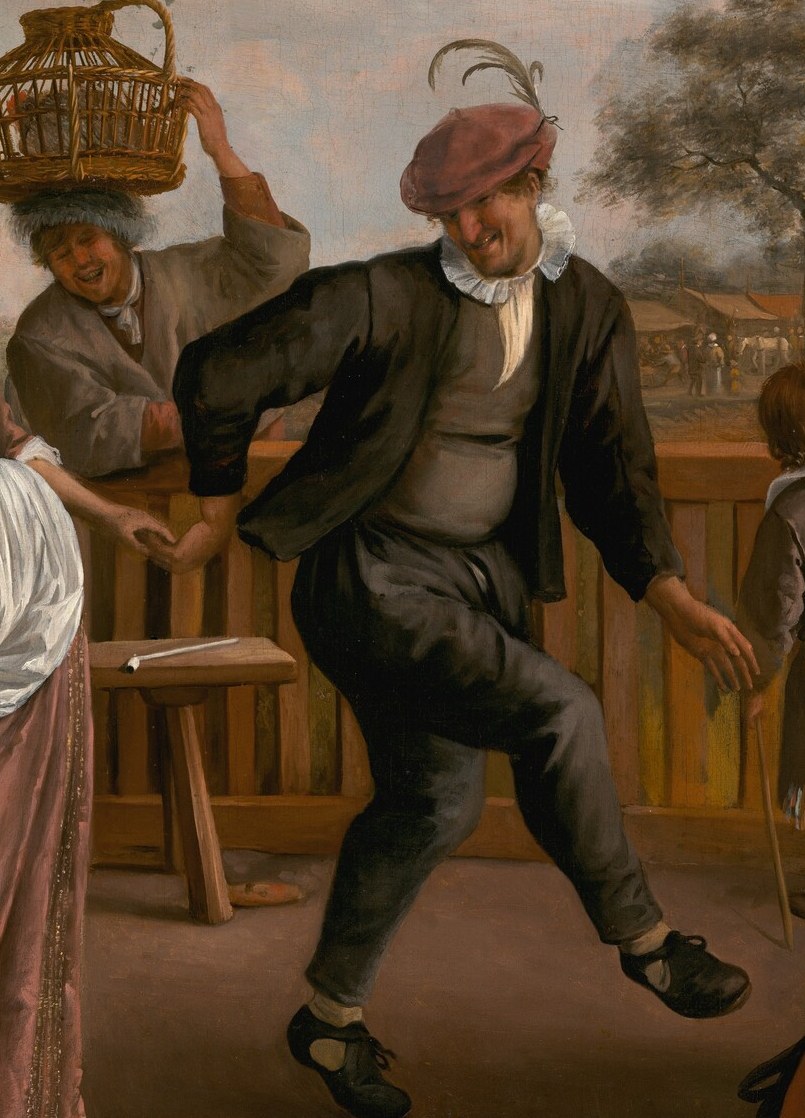
Jan Steen's 1663 painting, "The Dancing Couple," at the National Gallery of Art in Washington, D.C., captures a lively kermis, or village fair, a popular subject in Dutch art.
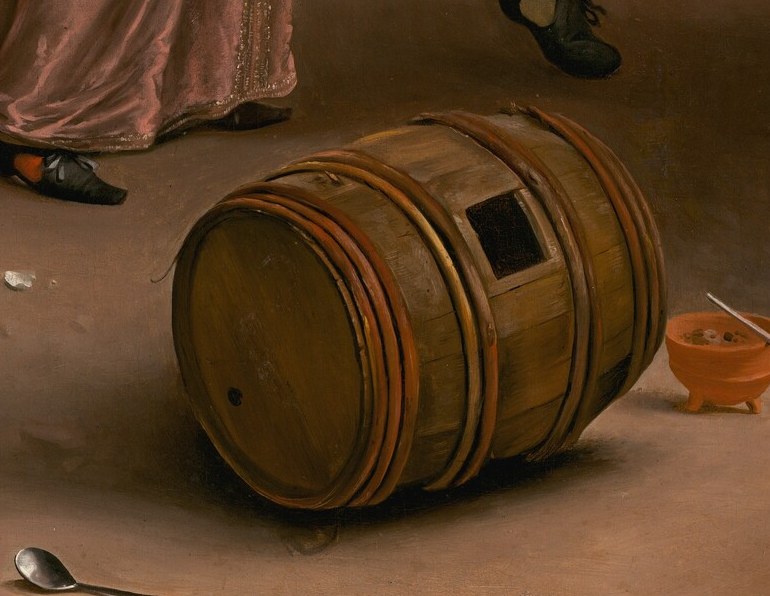
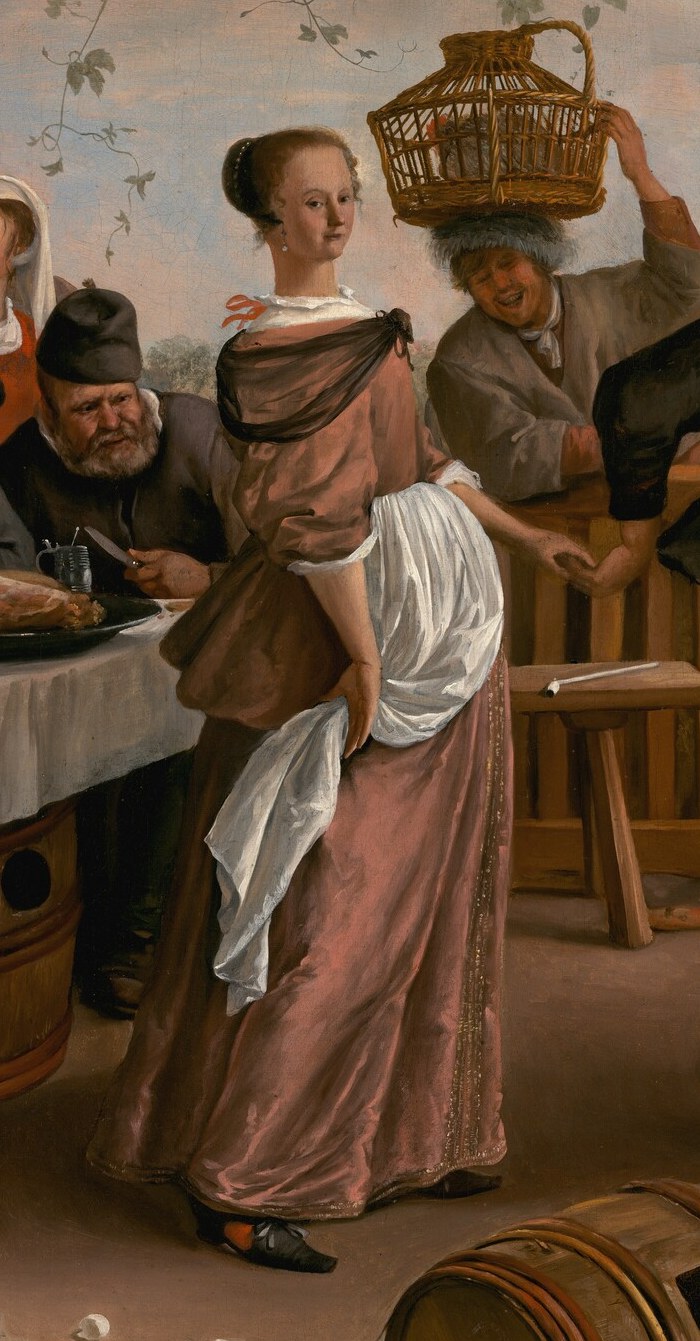
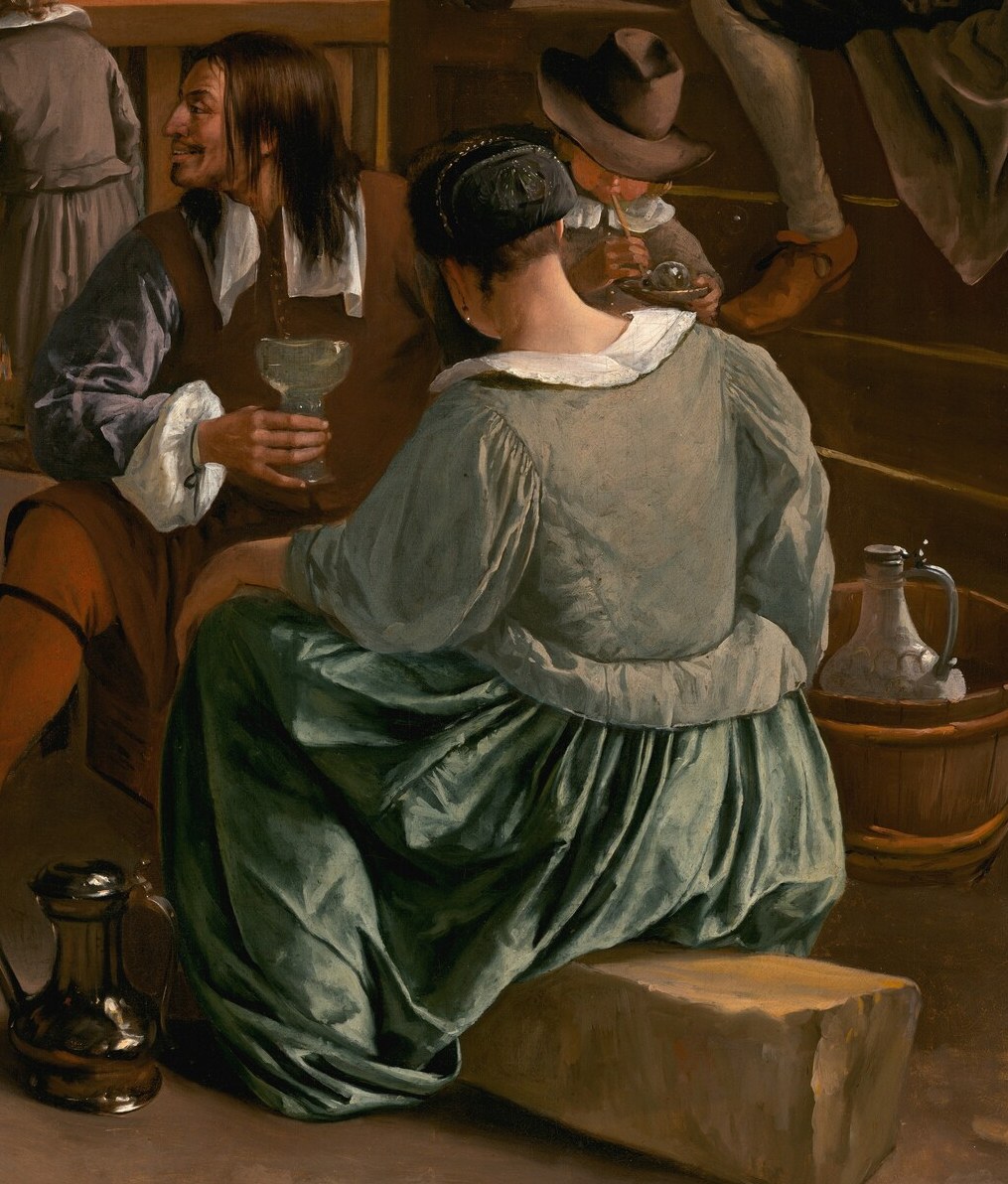
The painting's boisterous scene is full of details, like the central dancing couple, the musicians, and the seated figures. But look closely at the ground, an empty barrel and scattered eggs are subtle clues to the deeper meaning.
Steen, who reportedly ran a tavern himself, was a master at depicting human chaos and the consequences of unrestrained celebration. These elements suggest not just joy, but also the inevitable disorder that follows such revelry. His work offered a new, realistic perspective on the lives of the rural working class.
He truly gave us a backstage pass to the parties of his time. What other details do you notice?
Details
Transcript
This looks like a lively village fair. It's a kermis, a popular Dutch gathering. This painter was known for capturing such chaotic scenes. Look at the barrel, lying empty on the ground. And scattered eggs, a sign of disorder and excess. He captures the aftermath of unchecked revelry.