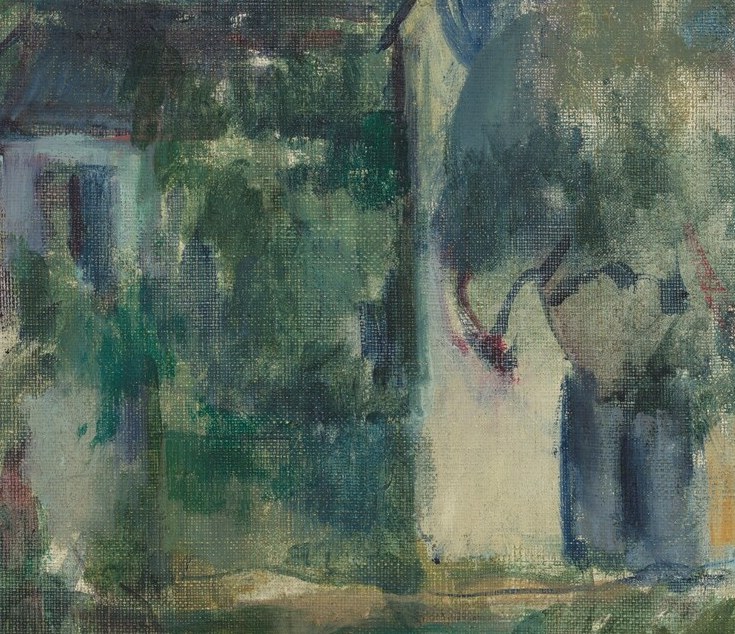
At the Water's Edge by Cezanne, Paul
Paul Cézanne's "At the Water's Edge," painted around 1890, holds a dramatic past far removed from its serene appearance. This oil on canvas, now in a private collection, was once stolen by a notorious art dealer with ties to the Nazi regime.
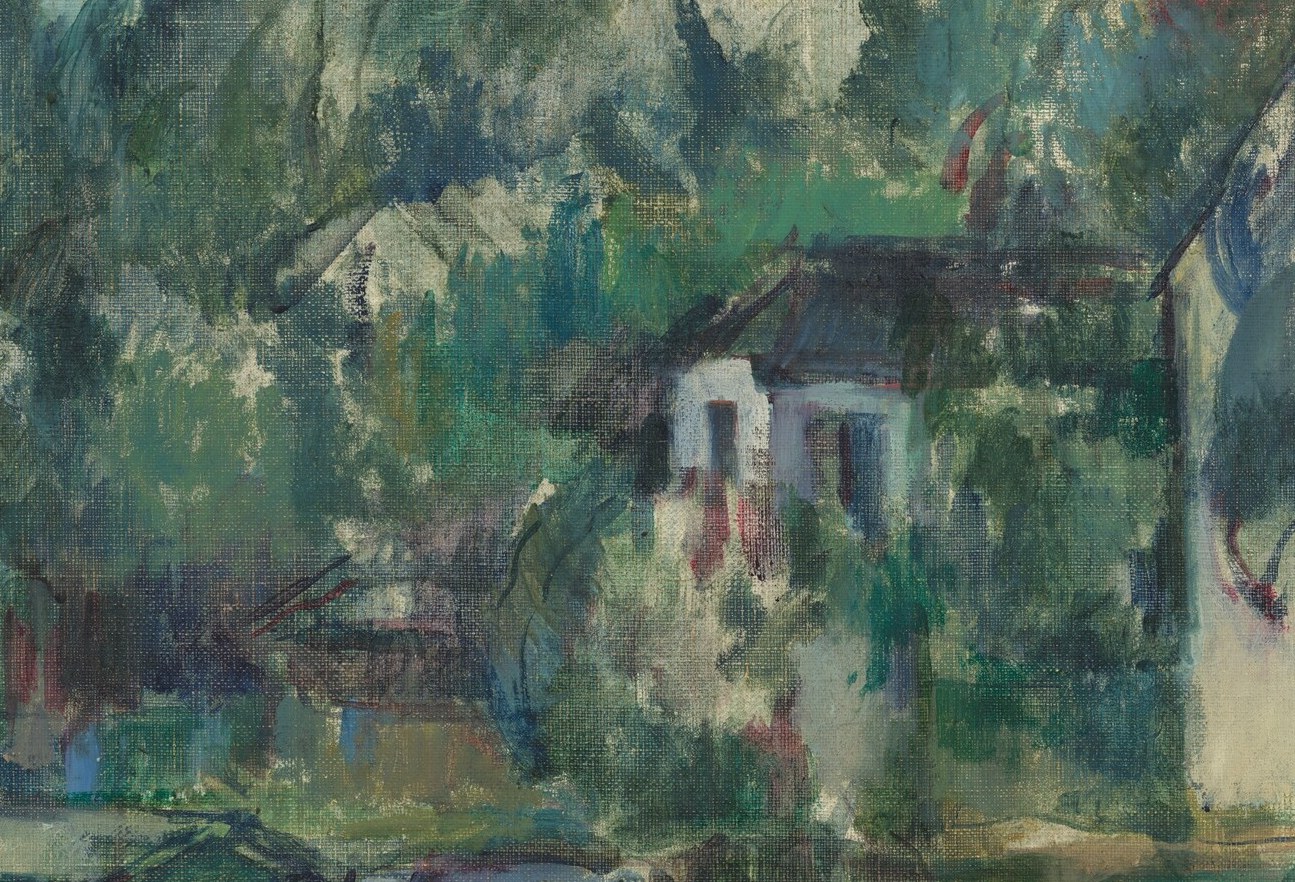
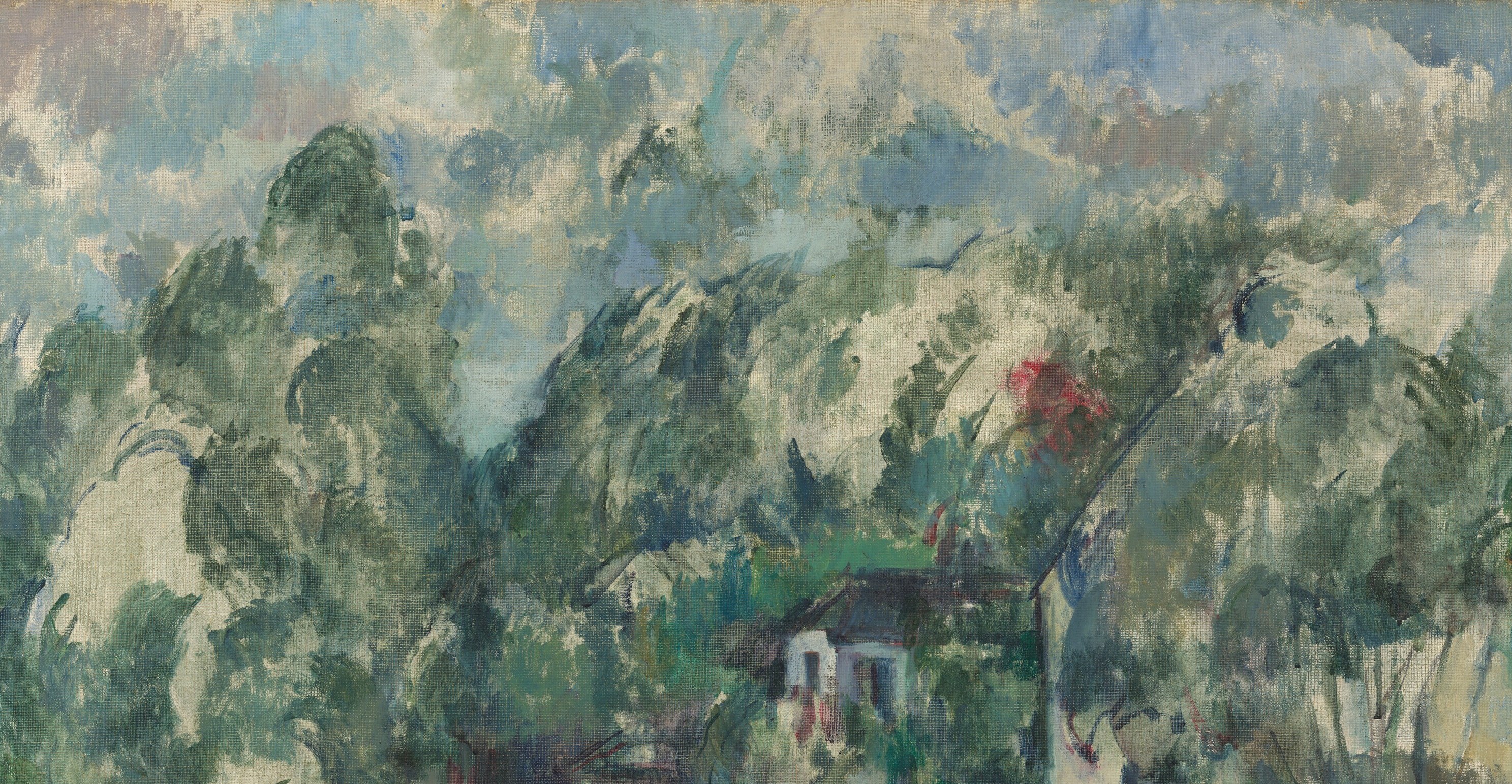
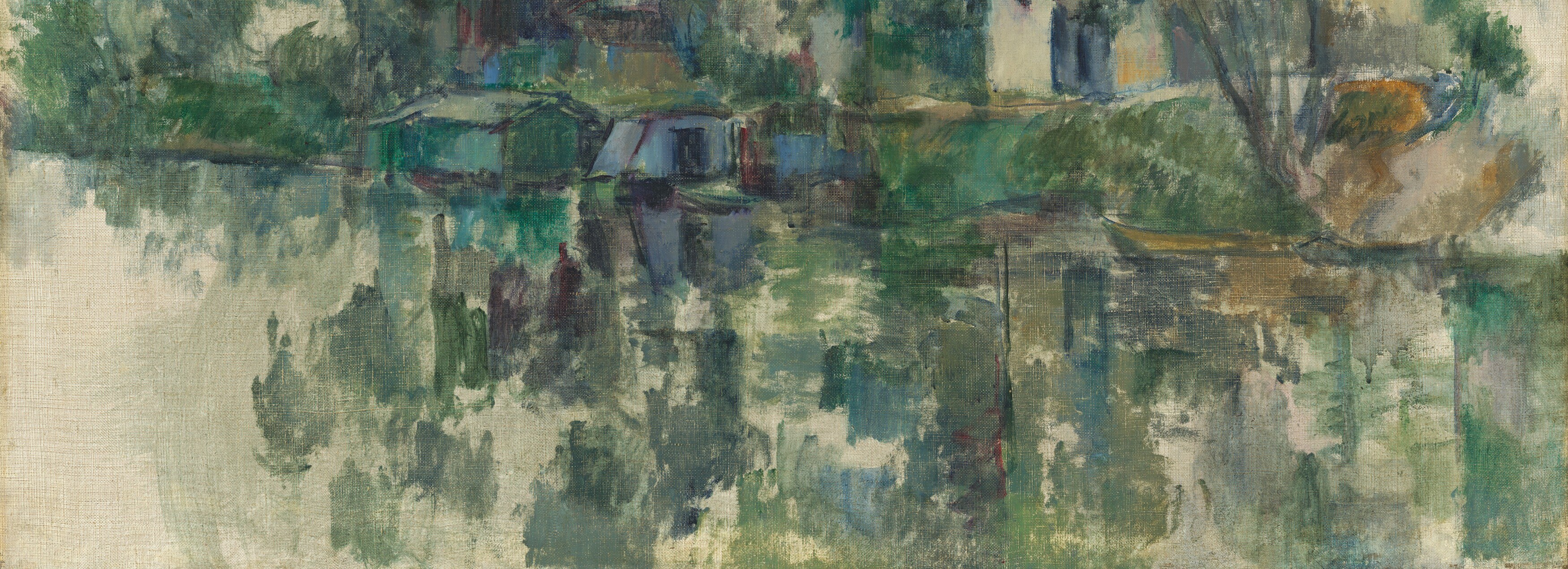
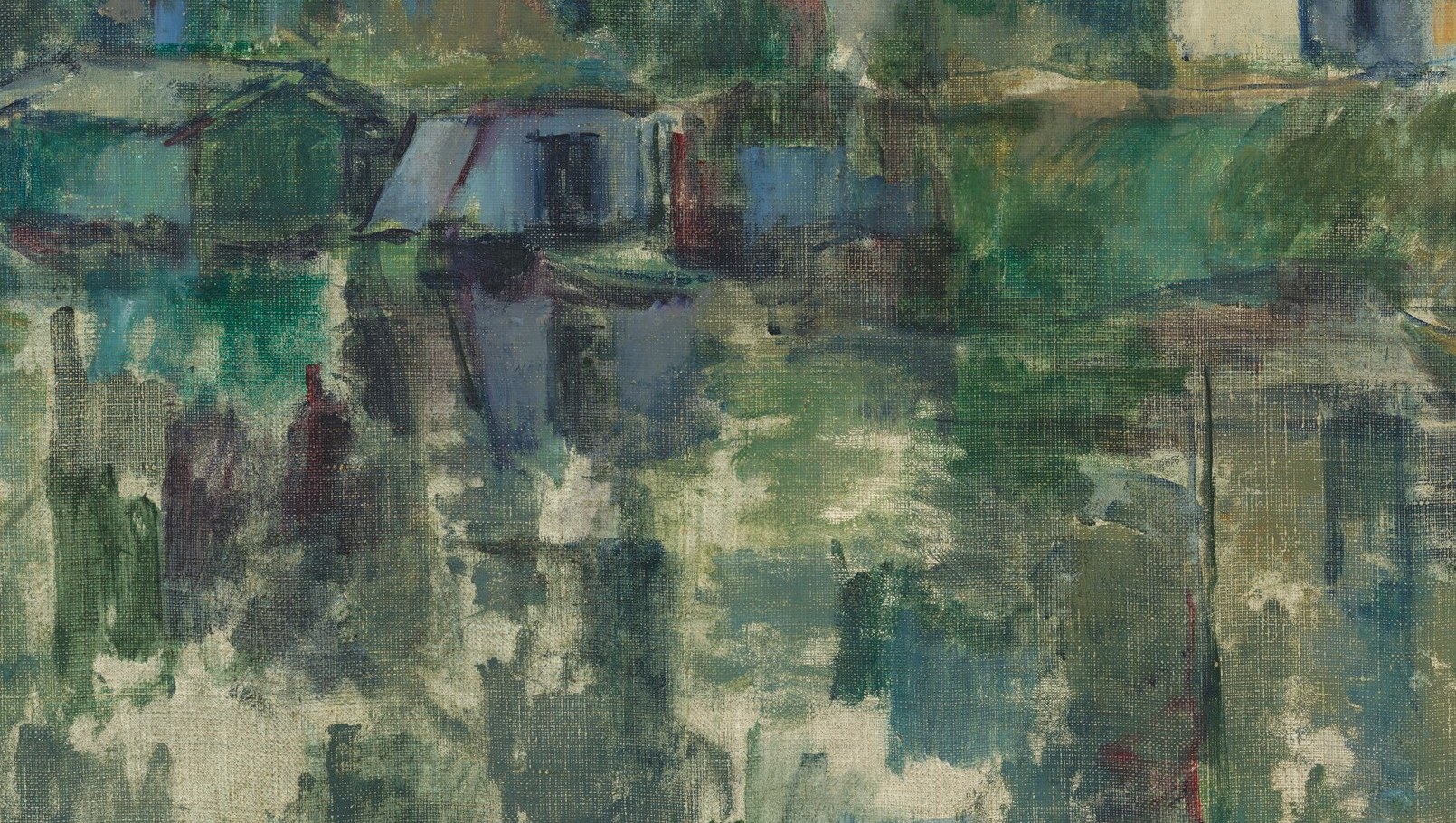
The painting's quiet composition, with its house, prominent tree, and subtle figure, belies its turbulent history. Cézanne's distinct method of segmenting forms into patches of color and using sharp angles to build structure is evident here, integrating the human figure into the landscape itself.
The art dealer, a former Nazi officer, was known for his extensive looting of art during World War II. After the war, he continued his illicit activities, eventually swapping "At the Water's Edge" for another artwork before disappearing. This valuable piece remained hidden for decades, only to resurface much later, bringing its secret history to light.
This story reminds us that even the most peaceful works of art can carry the echoes of human conflict and the intricate, often dark, narratives of their provenance.
Details
Transcript
This tranquil landscape has a hidden history of theft. It was stolen by an art dealer who was also a former Nazi officer. He was notorious for looting art during World War II. After the war, he continued his illicit trade. He swapped it for a different painting and vanished. This painting was hidden for decades before resurfacing.