Portrait of a Lady by Unknown 19th Century
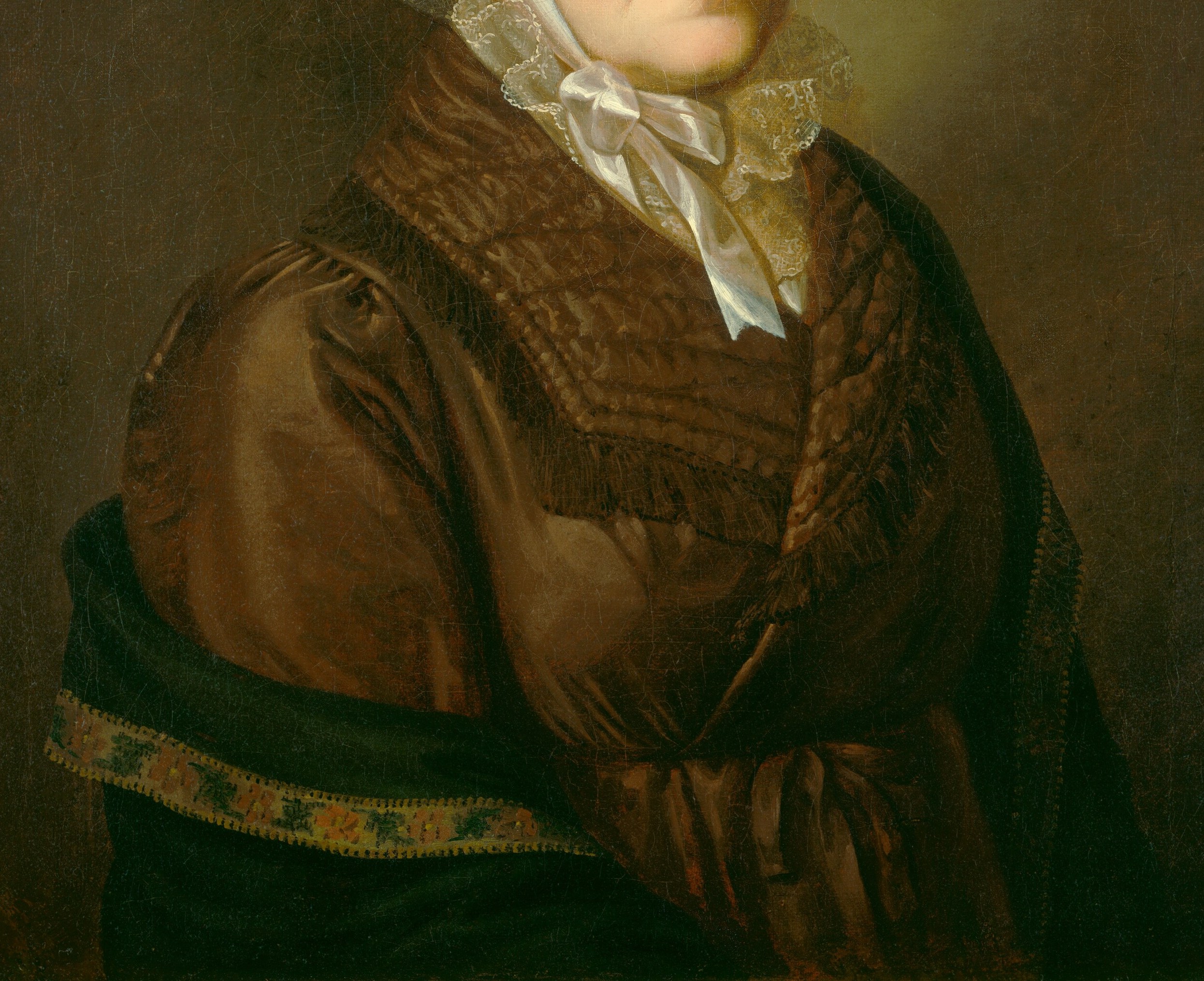
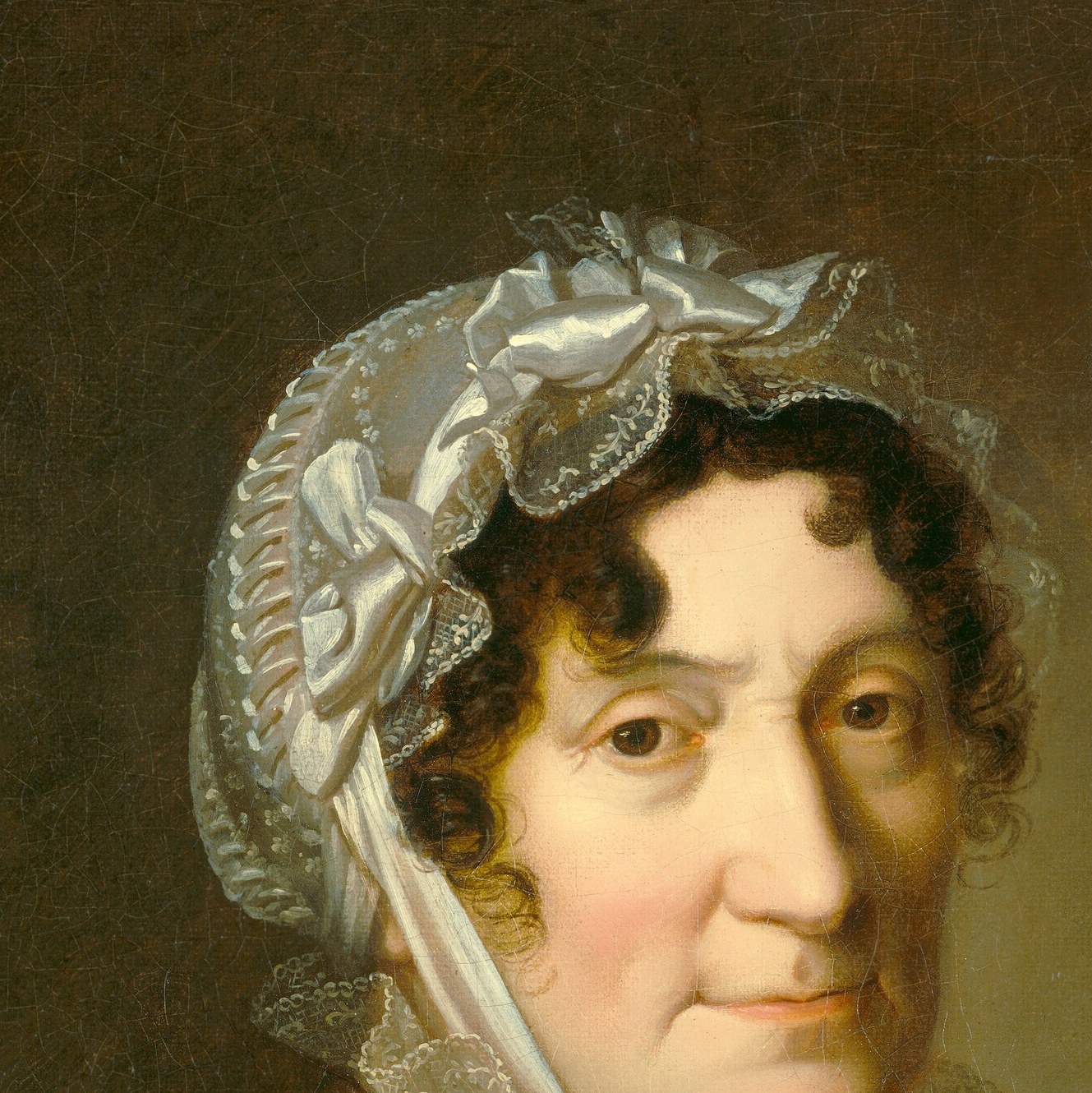
This is "Portrait of a Lady," painted around 1820 by an artist whose name is now lost to history. The canvas captures a woman of middle-class standing in a moment of quiet self-possession. She is not royalty; her authority comes from character, not a crown.
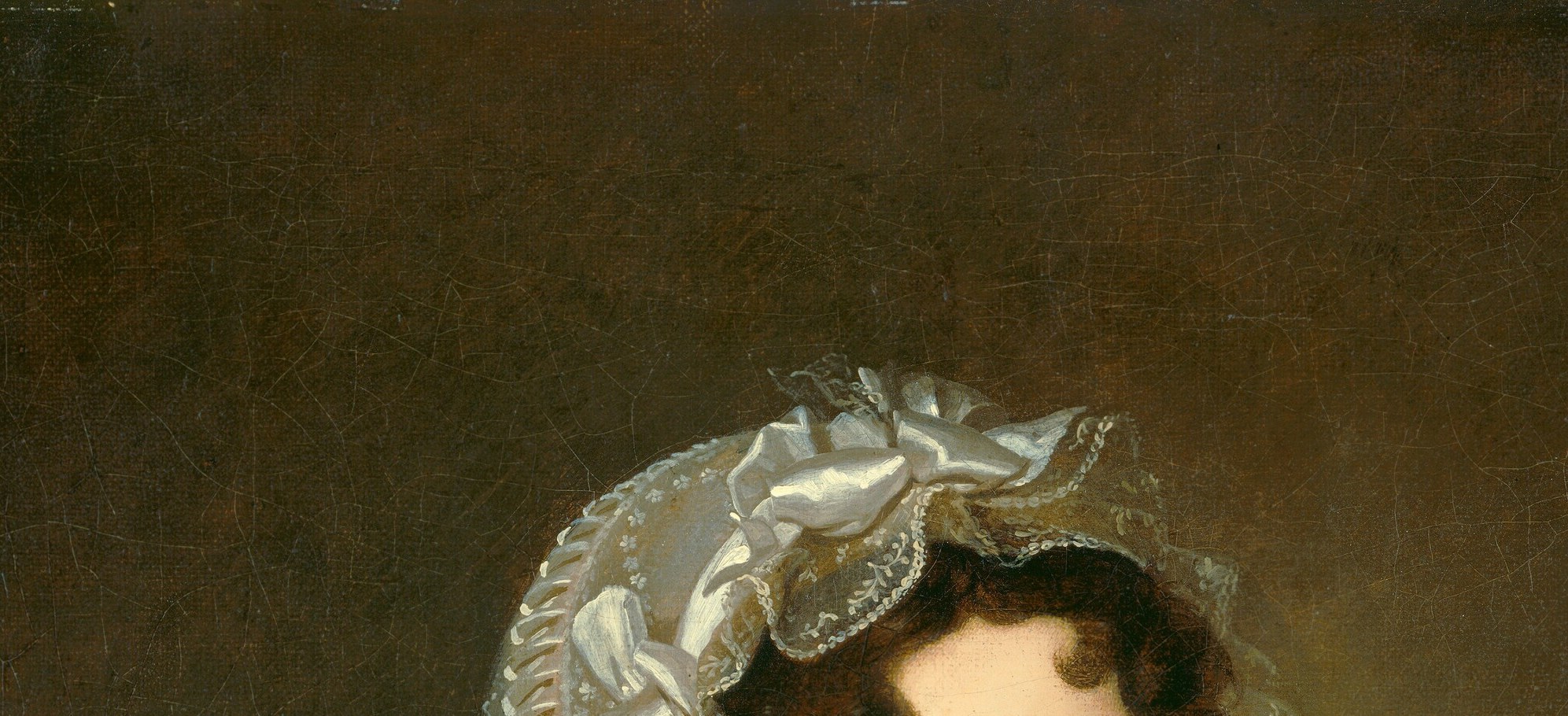
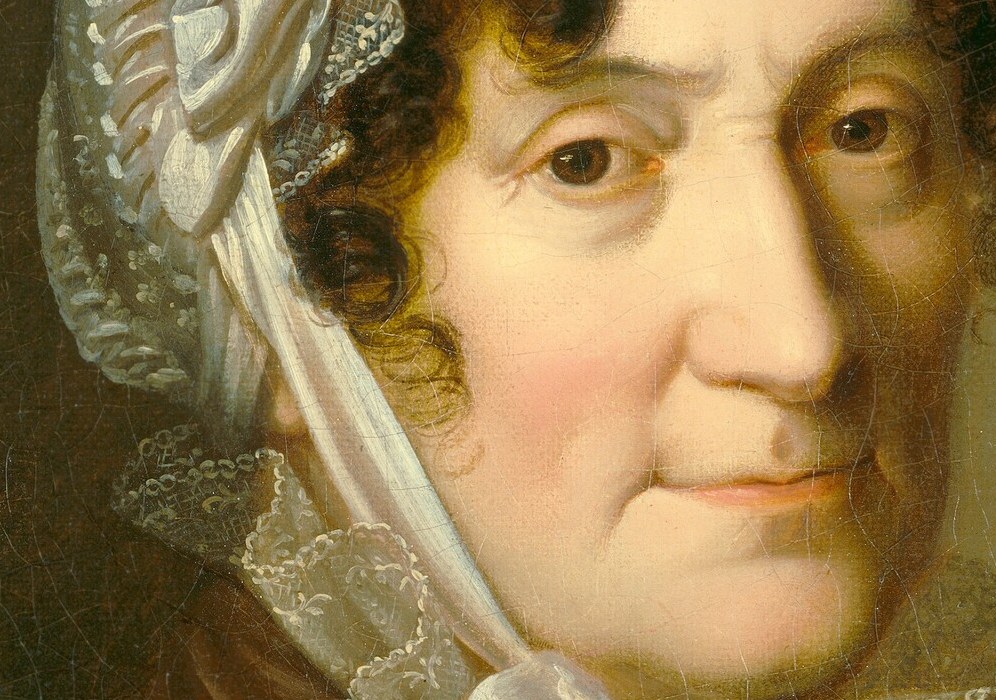
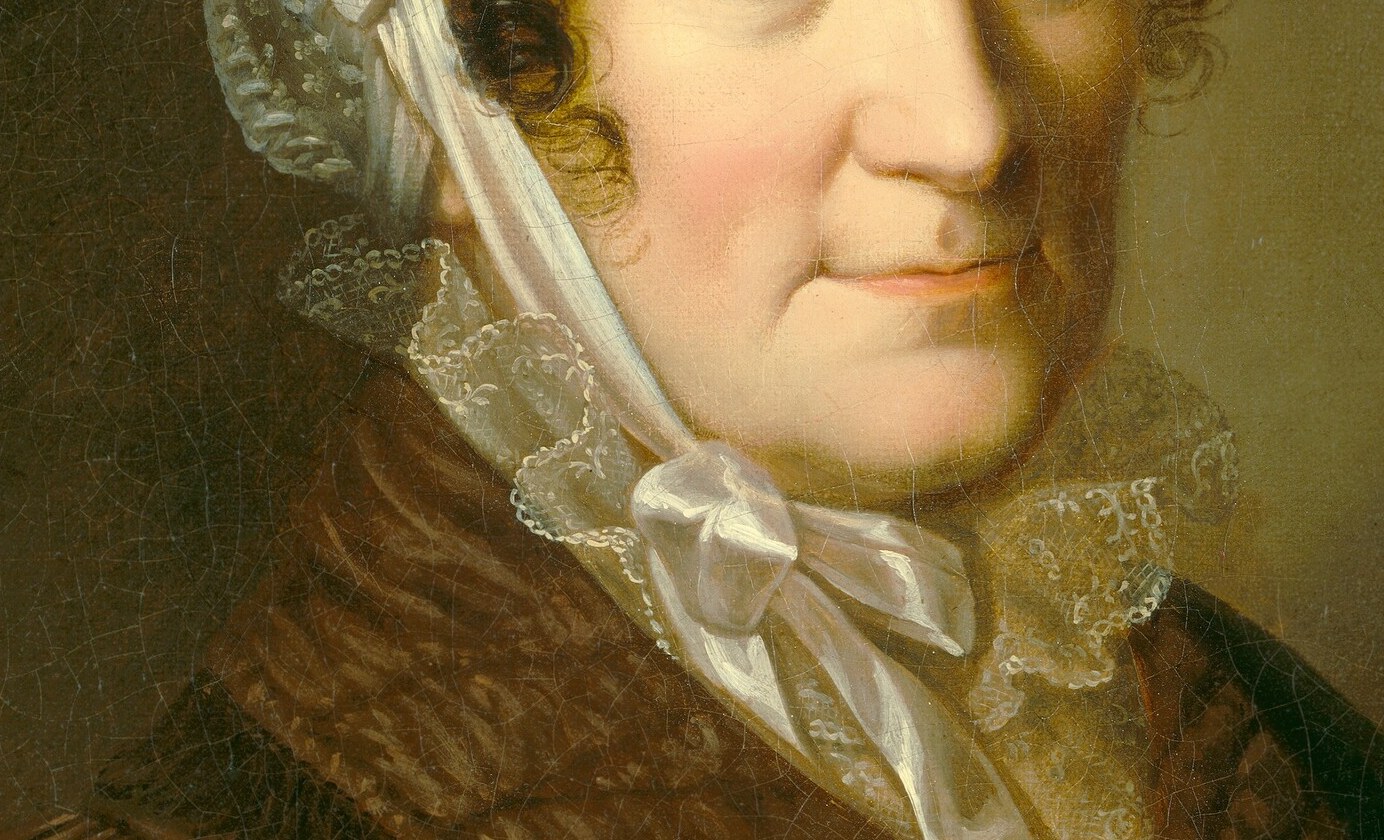
Look at the garments closely. Every piece is a signal. The sober, dark chocolate-brown coat was a deliberate choice, conveying moral seriousness. The elaborate white lace cap, tied beneath her chin, marks her domestic respectability. It's a garment for the home, not the parade ground, framing her face while declaring her virtue. The crisp white ruffled collar reinforces the message: neat, modest, and proper.
The painter lavished attention on the textures of the lace against her skin, while painting her coat more broadly. This hierarchy of detail tells you where the artist, and the sitter, wanted your eye to stay. Her dark, appraising eyes hold a calm authority that anchors the painting entirely.
As a work, it exemplifies a common 19th-century genre dedicated to individual representation, but it survives now as an unsigned mystery. A face preserved while the name behind it has faded. What do you think she was thinking right before this moment was captured?
Details
Transcript
Every garment in a Regency portrait was a deliberate signal. The sober, dark coat. Brown, not black: moral gravity, not mourning. The elaborate lace cap. A signal of domestic respectability. Worn indoors, not on the street. This is her private, managed self. The ruffled white collar: crisp, modest, middle-class propriety. Her clothes speak a single, clear sentence: I am dignified, virtuous, and secure.