The Girl with White Fur by Julie Kahle
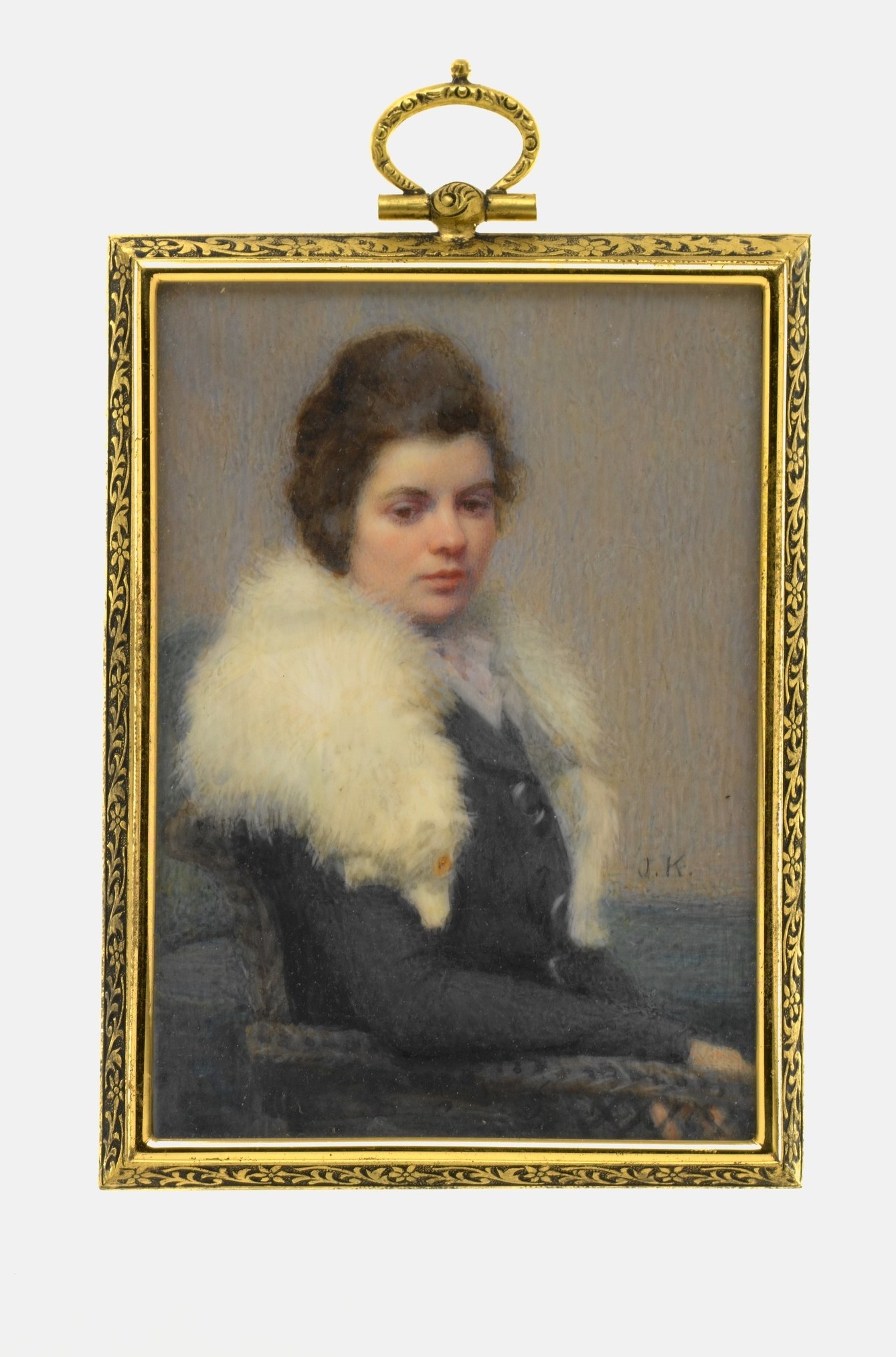
Julie Kahle painted "The Girl with White Fur" in 1920, when she was in her early sixties. It's a miniature portrait, now in the collection of The Metropolitan Museum of Art. Kahle didn't begin her formal training until she was nearly sixty, studying at the American School of Miniature Painting in New York. The medium was often dismissed as a polite hobby for women of means, but Kahle treated it with professional rigor.
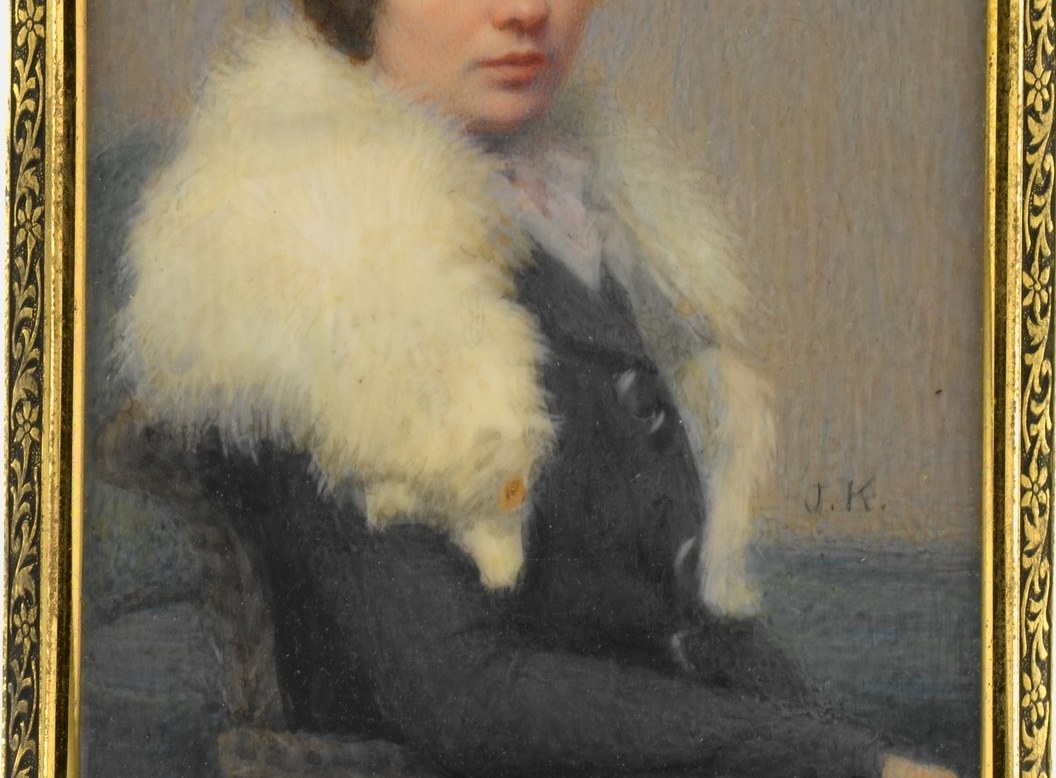
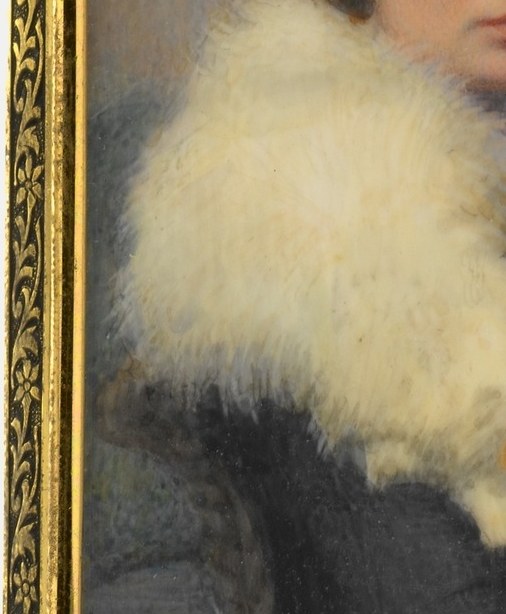
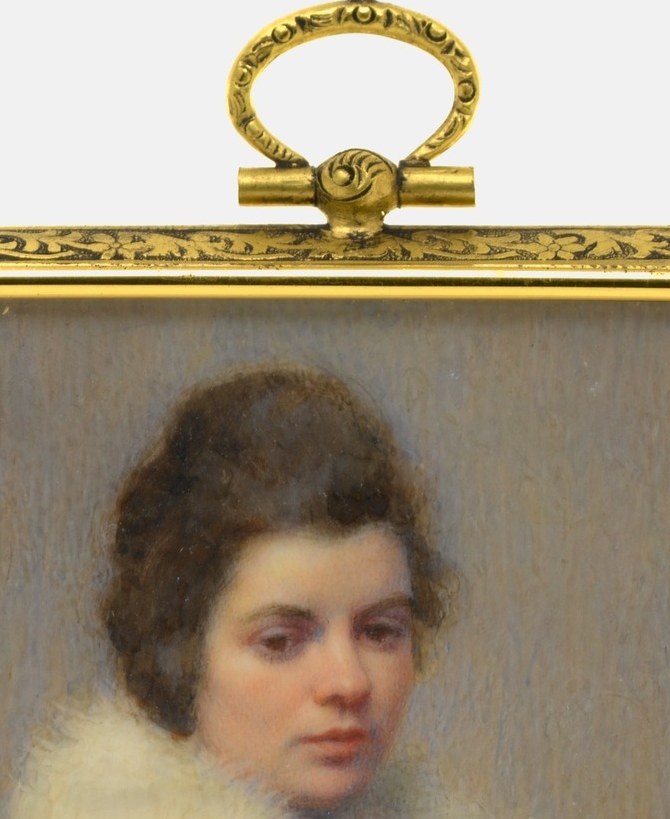
Look closely at her brushwork in the fur collar. Kahle rendered individual hairs with single, precise impressionist strokes, building a sense of volume and warmth that seems to dissolve when you step back. The dark navy jacket beneath anchors the composition, pushing the white fur forward. Her sitter's eyes meet yours with a composure that rewards sustained attention.
Kahle was the daughter of German immigrants, married to a wealthy importer, and raised seven children before launching her artistic career. She went on to join the American Society of Miniature Painters and the National Association of Women Painters and Sculptors. Her son Herman later commissioned Cecilia Beaux to paint Julie's portrait, which now hangs in the National Gallery of Art.
It's the quietest kind of defiance: a woman who waited, learned her craft, and left a painting that outlasted every critic who said miniatures didn't count.
Details
Transcript
They said miniatures were for amateurs. Julie Kahle disagreed. She started at 59. Look at the fur. Individual hairs painted one stroke at a time. Her training was at the American School of Miniature Painting. A late start, a quiet life, and now a wall in the Met.