Still Life with Meat, Fish, Vegetables, and Fruit by Jacob van Hulsdonck
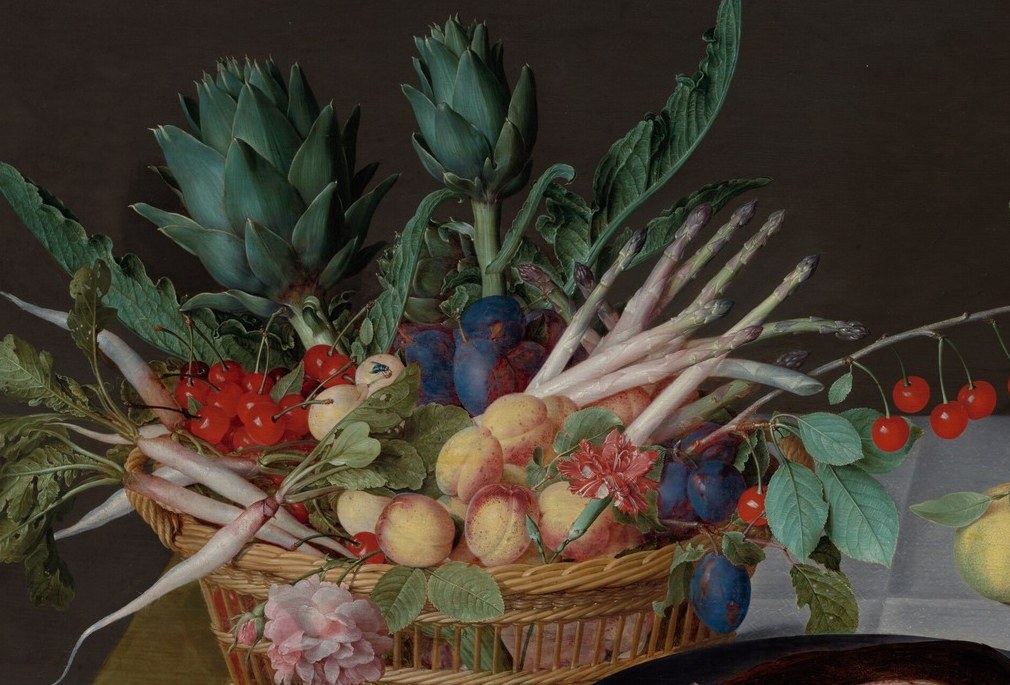
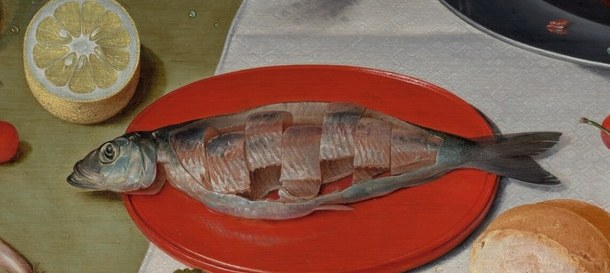
Jacob van Hulsdonck’s 'Still Life with Meat, Fish, Vegetables, and Fruit,' painted in 1617, is a fascinating example of the early development of the still life genre during the Dutch Golden Age. This oil painting, held at The Cleveland Museum of Art, showcases the artist's meticulous attention to detail and his innovative approach to depicting everyday objects.
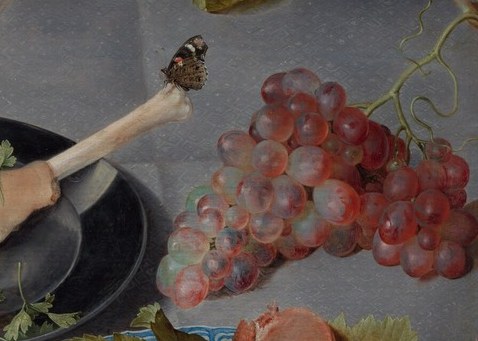
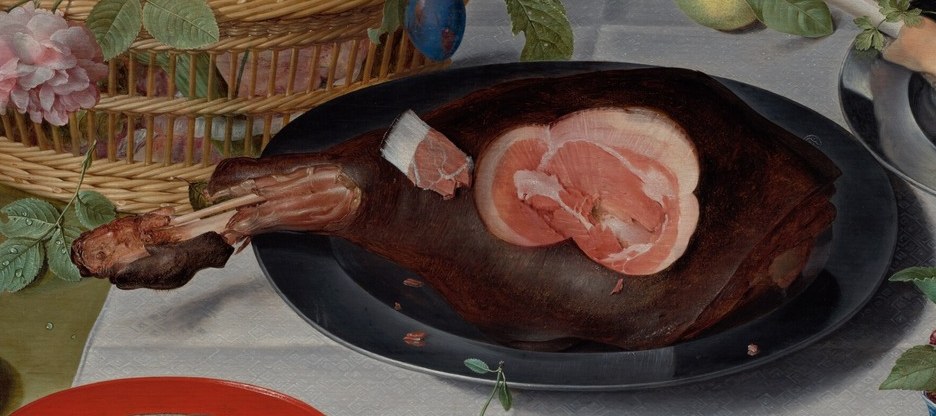
Observe how van Hulsdonck renders the light on the translucent grapes or the texture of the sliced ham. These elements demonstrate his skill in creating a sense of realism and abundance, capturing the essence of the period.
Van Hulsdonck was a key figure in Antwerp, contributing significantly to the still life genre's early conventions. His focus on fruit, banquet scenes, and floral arrangements helped establish a style that would influence many artists who followed him.
It's remarkable how a painting of food can tell us so much about the artistic innovations of its time.
Details
Transcript
In 1617, still life painting was a new genre. This painter was an early master of the art. Look at the detail on these grapes, for example. He captures how light passes through each one. His attention to realism made food look succulent. This mastery would influence generations of artists.