Giovanni Emo by Bellini, Giovanni
View the artwork: Giovanni Emo →
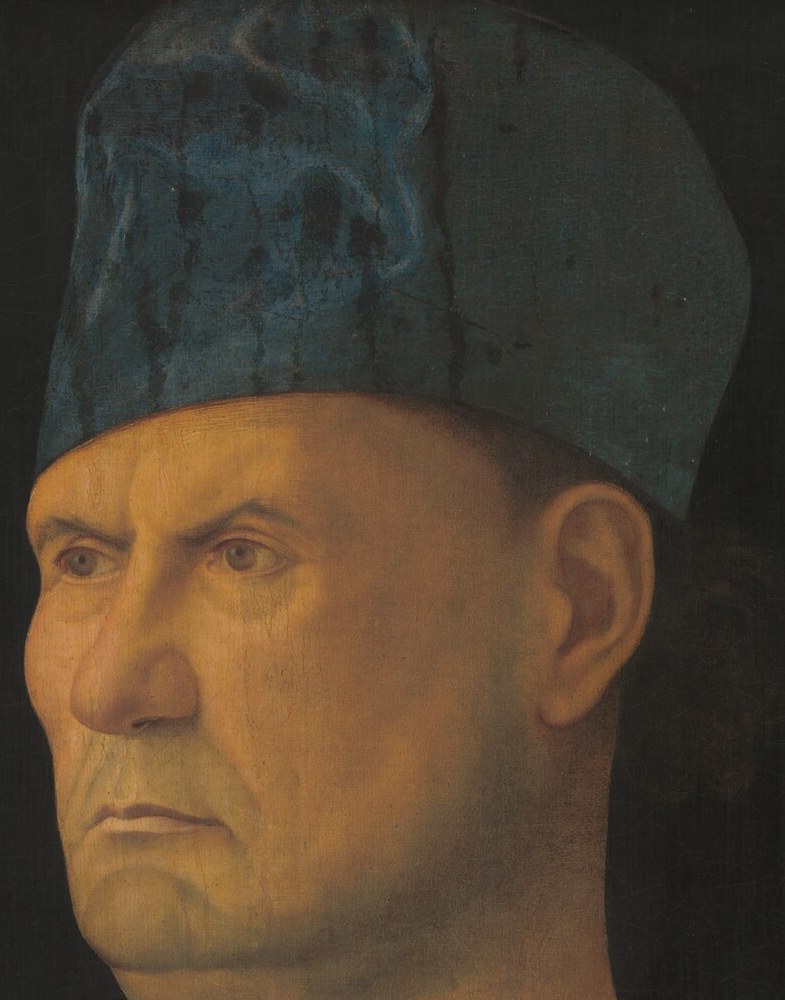
This is Giovanni Emo, painted by Giovanni Bellini around 1495 to 1500. The portrait lives at the National Gallery of Art in Washington, DC, and it is one of the quietest declarations of power the Venetian Renaissance produced. Emo belonged to the patriciate, the small hereditary class that ran the Republic's immense maritime trading empire.
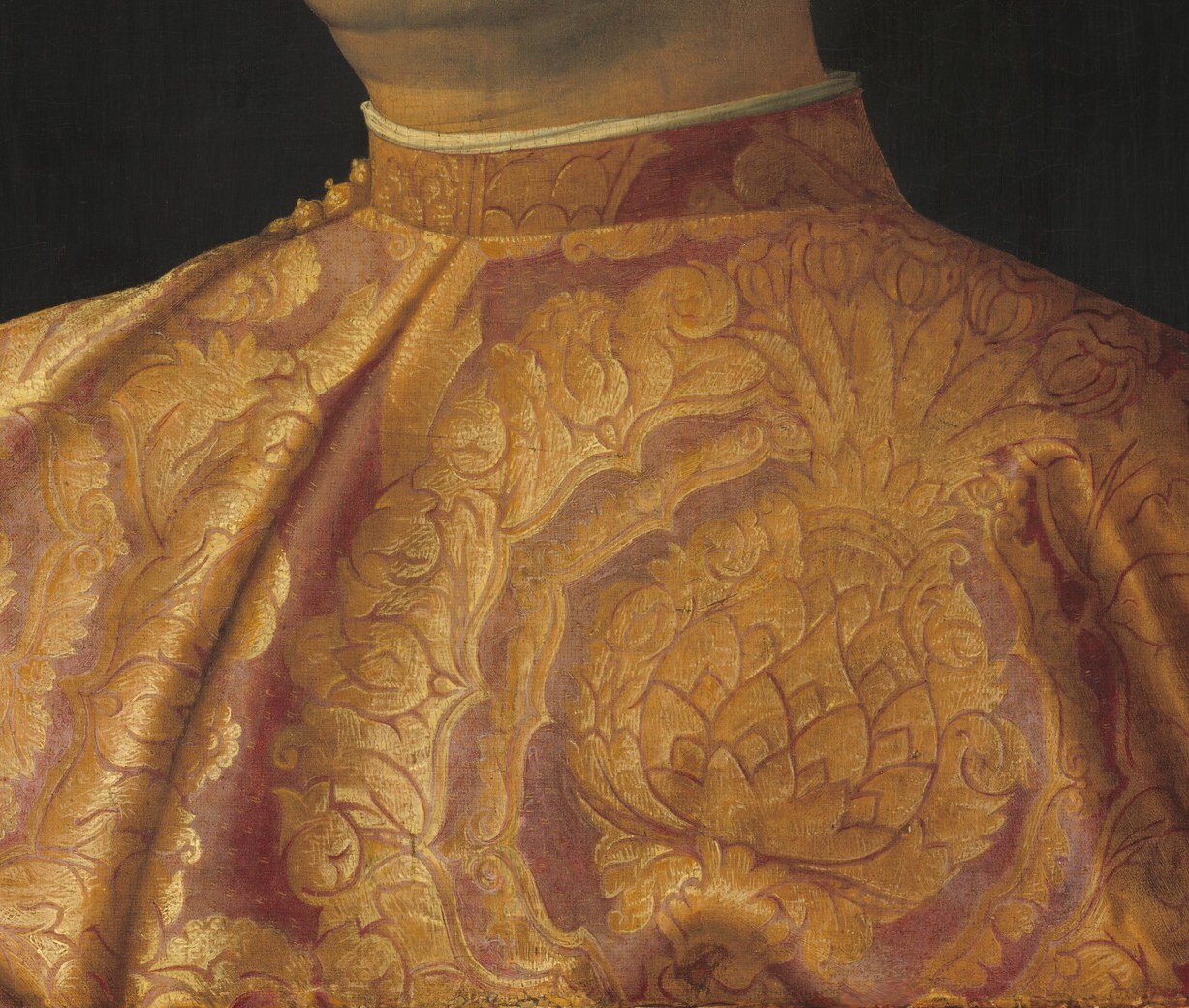
Start with the robe. Bellini rendered gold brocade with such fidelity that you can almost separate the raised velvet pile from the metallic thread. The central medallion motif repeats the circular patterns of Byzantine silk, a luxury good that Venice imported, taxed, and resold across Europe. The clothing is the economic story of the Republic in one chest and two shoulders.
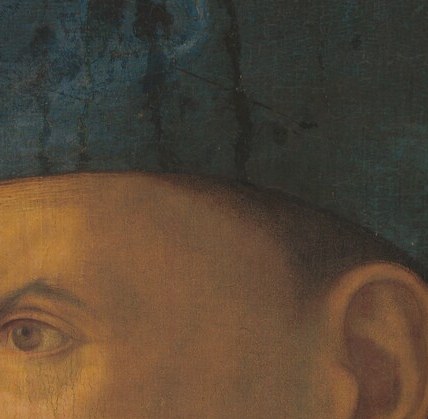
Then move up to the face. Bellini built the skin with thin glazes of oil paint, a technique called *sfumato* that makes the light seem to come from inside the flesh rather than bouncing off a surface. The brow is lined, the hair receding, the gaze steady and slightly downward, Bellini refused to idealize. He gave us a specific person at a specific age, and in doing so made a humanist argument: virtue and authority reside in experience, not in youth.
Giovanni Bellini spent his entire life in Venice, painting the men and women who shaped its golden age. This panel was later transferred to canvas, a delicate conservation decision that testifies to how much later generations valued it. When you look at Emo's eyes, you are looking at the same painted surface that a Venetian patrician once examined to decide if Bellini had captured his likeness and his standing. What do you think the sitter saw?
#arthistory #venetianrenaissance #giovannibellini
Details
Transcript
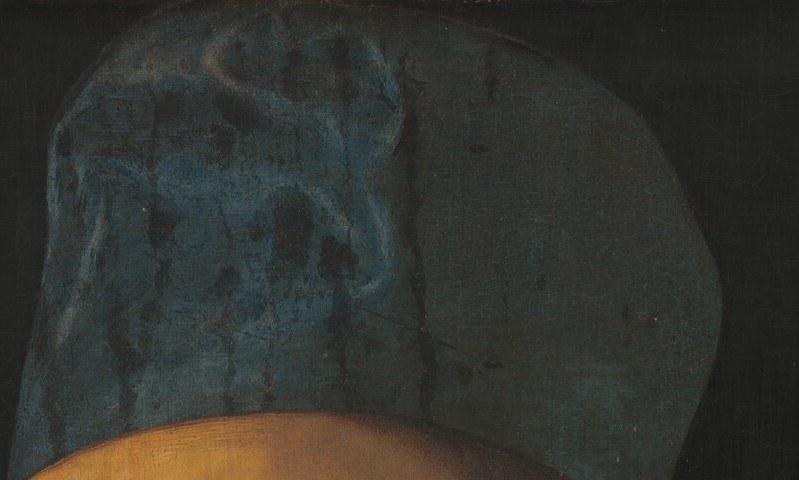
Venice, around 1495. The Republic ruled the eastern trade routes. This man sat for Giovanni Bellini, the city's finest painter of faces. Look at the robe. That is embossed gold brocade, painted thread by thread. The circular floral pattern echoes Byzantine silk, imported through Venice's eastern ports. Bellini used thin layers of oil paint to build light from within the skin. The flat beret marks him as a patrician. No crown, no jewels. Just authority.