Artwork
Giovanni Emo
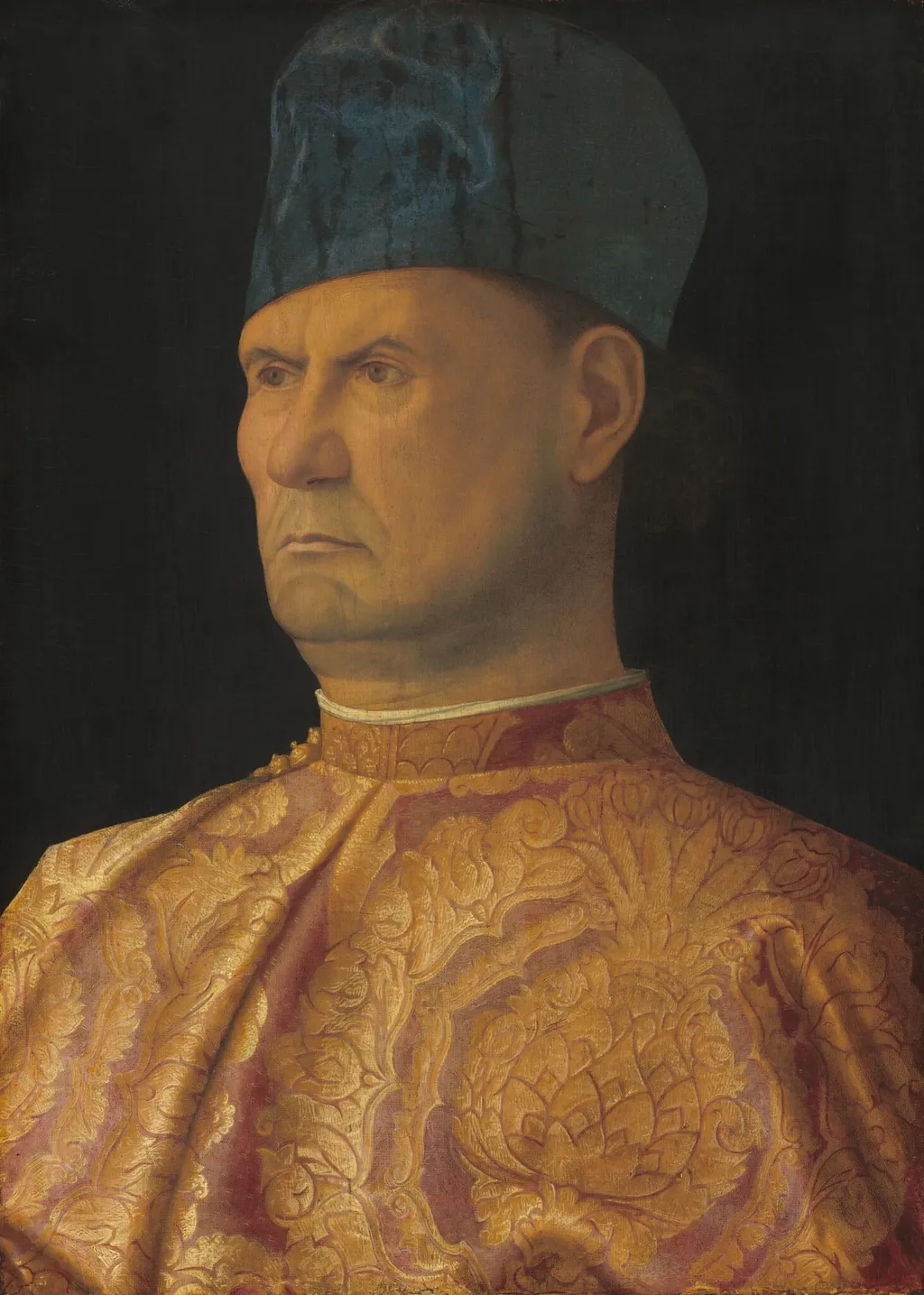
Giovanni Emo is an oil painting by the Early Renaissance artist Giovanni Bellini. It dates from 1478 and is held in the collection of the National Gallery of Art.
About this work
Subject & Meaning
The subject wears a precious brocade blouse and a blue beret, characterized by deep features and a fierce expression.
The work depicts the bust of an aged Italian condottiero shown in three-quarter view against a dark background. The subject wears a precious brocade blouse and a blue beret, characterized by deep features and a fierce expression. While the figure remains officially unidentified, historical proposals for the sitter include Jacopo Marcello, the Venetian captain-general; Bartolomeo Colleoni; Bartolomeo d'Alviano, an identification supported by Giorgio Vasari; and Giovanni Emo.
These conflicting attributions have led to varying dating estimates ranging from 1475 to 1500. Stylistically, the portrait retains the foundational influence of Antonello da Messina in its composition yet demonstrates a departure from strict Messinese types through softer modeling of the face and brocade, suggesting a mature execution likely post-1485.
Technique & Style
The portrait of Giovanni Emo is executed in oil on a wooden panel that has been transferred to canvas and mounted on a secondary support (1). The technique involves applying oil paint to the panel and then transferring the work to canvas, a process noted in the documentation (1‑2). Stylistically, the piece reflects the influence of Antonello da Messina, featuring pronounced plastic modeling of the face and a softening of details such as the brocaded garment and blue beret, which convey a gentle tonal transition (3‑4).
The formal qualities, dated to around 1495–1500, show a move toward greater softness compared with Bellini’s earlier portraits.
History & Provenance
The Portrait of Giovanni Emo, attributed to Giovanni Bellini, has a well-documented provenance beginning in the late 18th century. It was owned by Dr. Pellegrini in Venice before being sold in 1786 to Sir Abraham Hume, a British collector. Upon Hume’s death, the painting passed by inheritance to his grandson, John Hume Cust, 2nd Viscount Alford, and subsequently to the Earls Brownlow of Ashridge Park.
It remained in the Brownlow collection until 1923, when it was sold at Christie’s, London, to Duveen Brothers, who later facilitated its acquisition by the Samuel H. Kress Foundation in May 1936. The Foundation gifted the work to the National Gallery of Art, Washington, D.C., in 1939. The painting’s creation is dated to circa 1470, though stylistic analyses suggest a possible later range of 1475–1500, reflecting Bellini’s evolving portraiture techniques and influence from Antonello da Messina.
The painting is currently housed in the National Gallery of Art in Washington, D.C., as part of the Samuel H. Kress Collection. Its documented history begins in 1786, when Dr. Pellegrini of Venice sold the work to Sir Abraham Hume. The portrait remained within the Hume family and their heirs, the Earls Brownlow, residing at Ashridge Park and Belton House, until it was sold at Christie's in London on May 4 and 7, 1923.
Following this auction, the piece was acquired by Duveen Brothers, Inc., and subsequently sold to the Samuel H. Kress Foundation in May 1936. The foundation gifted the artwork to the National Gallery of Art in 1939. Sources do not list specific temporary exhibition loans, focusing instead on this linear ownership trajectory.
Context
Scholarship on the portrait identifies it as an evolved example of Giovanni Bellini’s portraiture, noted for its nuanced modeling and departure from the strict Antonello‑da‑Messina influence that characterized his early work. The sitter has been variously proposed as Bartolomeo d’Alviano, Giovanni Emo, Jacopo Marcello or Bartolomeo Colleoni, a uncertainty that has led researchers to date the piece between 1475 and 1500, with stylistic arguments favoring a later, post‑1485 execution. The work entered the Kress collection via a 1923 London sale and a 1936 purchase by the Samuel H. Kress Foundation, later donated to the National Gallery of Art in 1939.
Its provenance from a Venetian doctor’s collection through the Hume‑Brownlow line illustrates the transnational circulation of Venetian art in the late‑19th and early‑20th centuries.
Overview
Giovanni Bellini's Giovanni Emo, created between approximately 1495 and 1500, is an oil portrait initially rendered on a wood panel. The artwork has since undergone a transfer to canvas and is now mounted on a panel, residing in the collection of the National Gallery of Art in Washington, DC. This painting exemplifies the Venetian Renaissance approach to individual representation during the late 15th century.
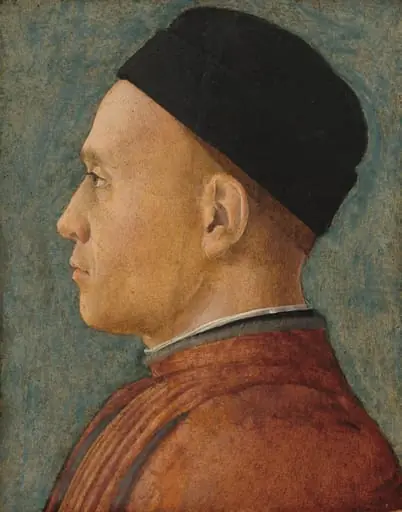
Own this work as a print
Artist & collection

Artist
Giovanni Bellini (Italian: ; Venetian: Zuane Belin; c. 1430 – 29 December 1516) was an Italian Renaissance painter, probably the best known of the Bellini family of Venetian painters. He was raised in the household of…



- Portrait of a Man
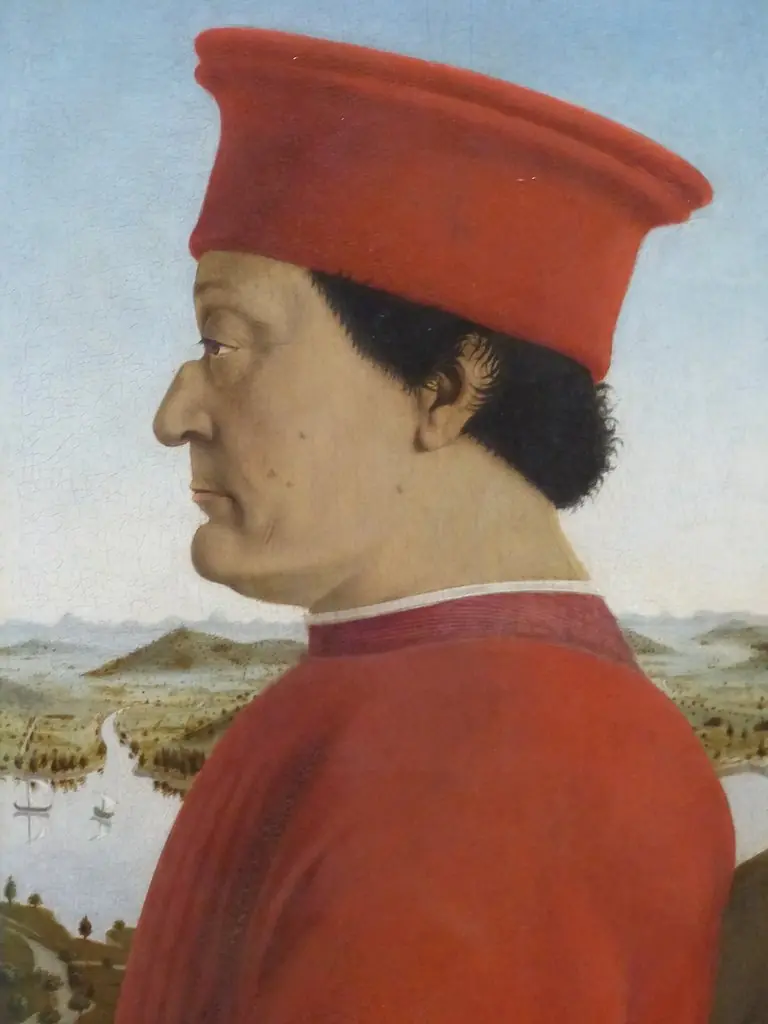 Portrait of Federico da Montefeltro
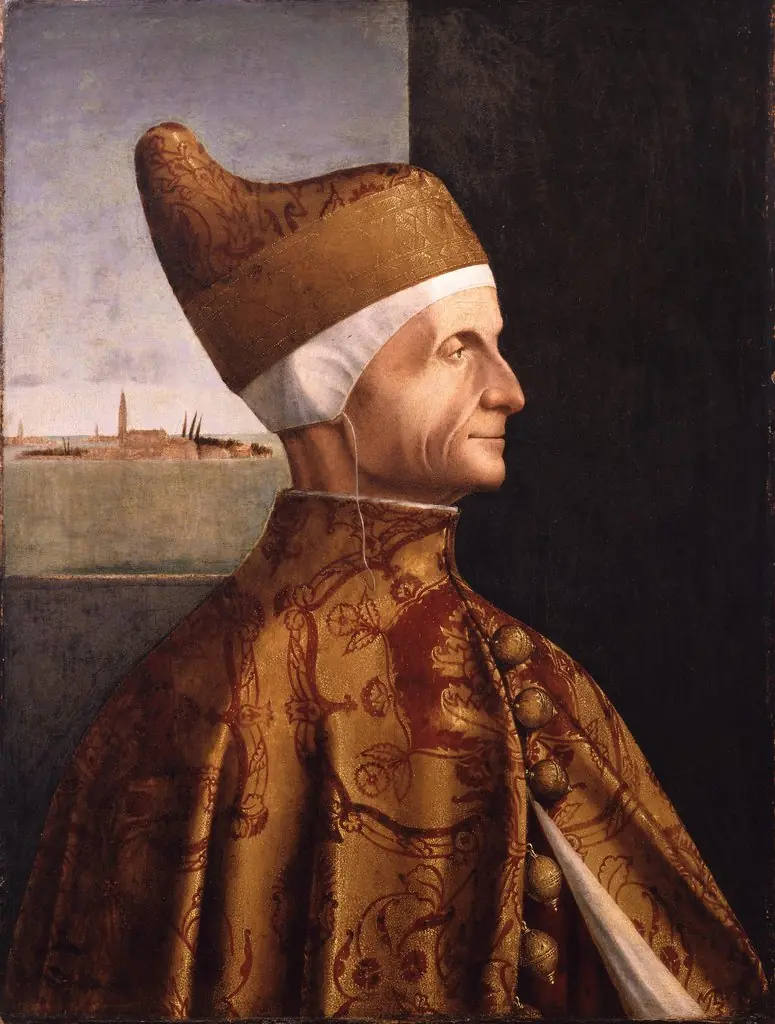 Portrait of Doge Leonardo Loredan
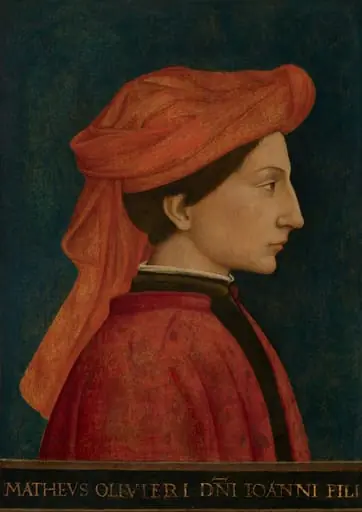 Matteo Olivieri (?)
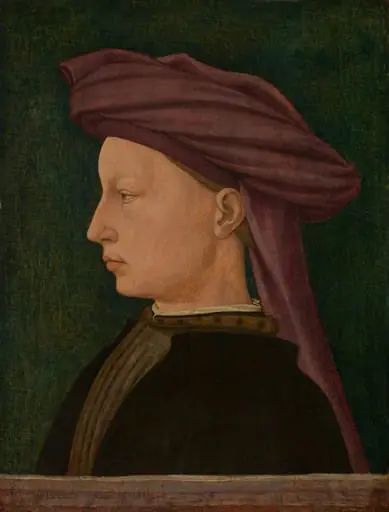 Profile Portrait of a Young Man
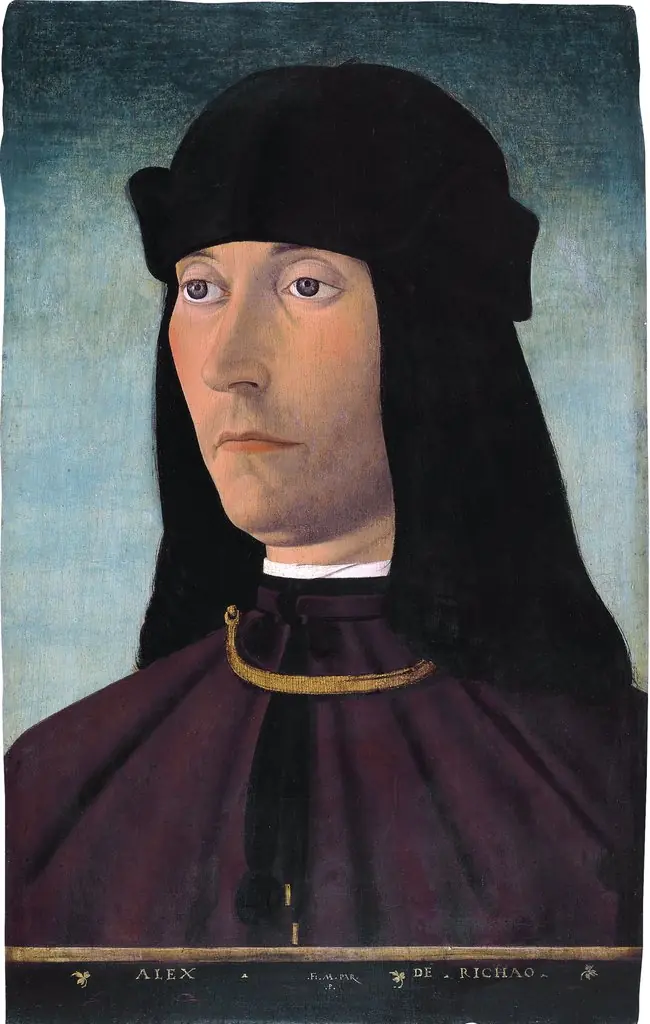 Portrait of Alessandro de Richao
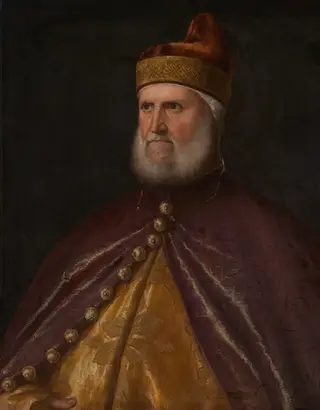 Doge Andrea Gritti
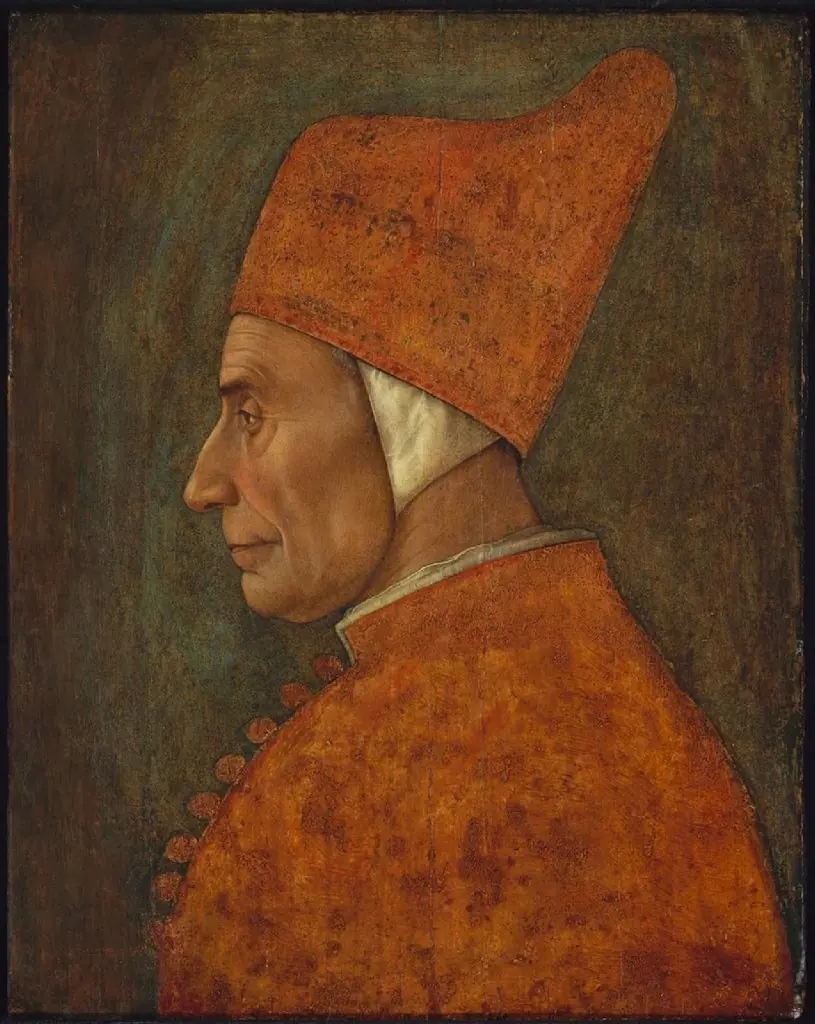 Portrait of a Doge, probably Pasquale Malipiero
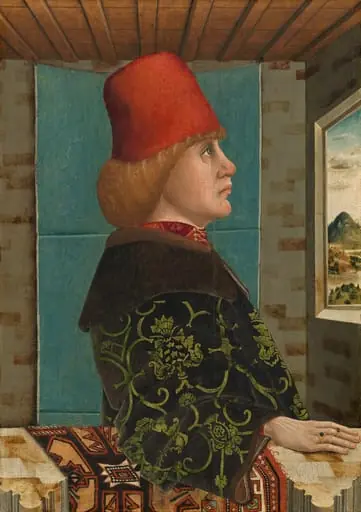 Portrait of a Man
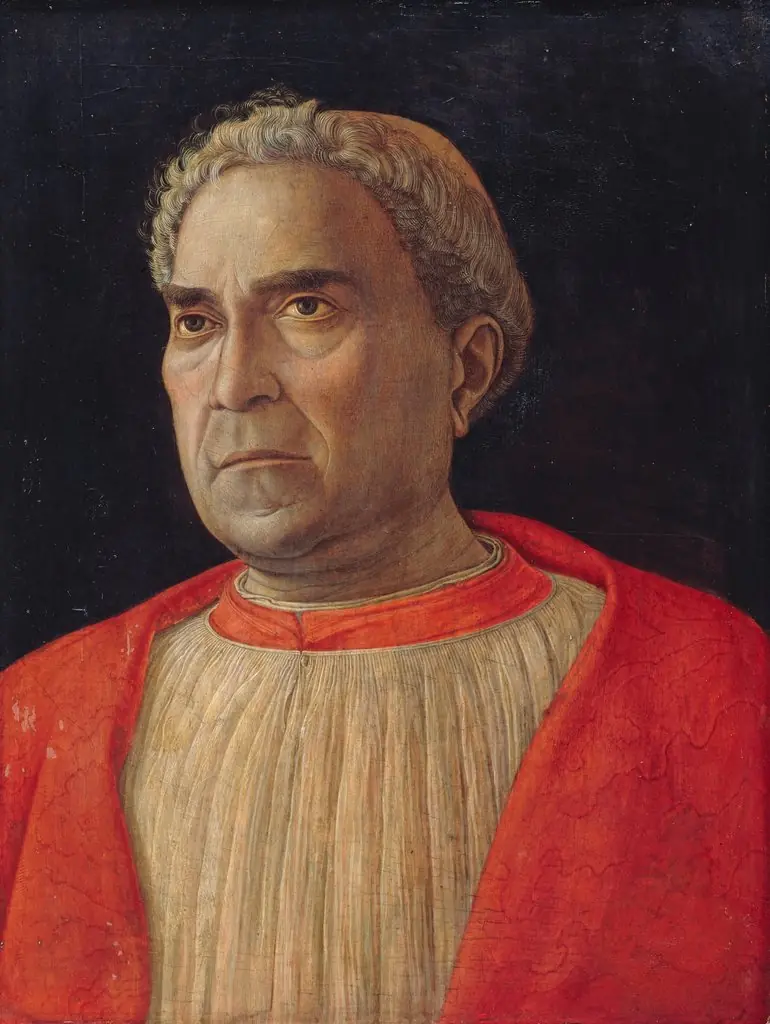 Portrait of Cardinal Ludovico Trevisan
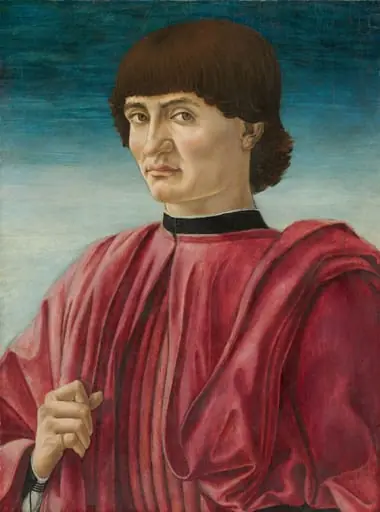 Portrait of a Man
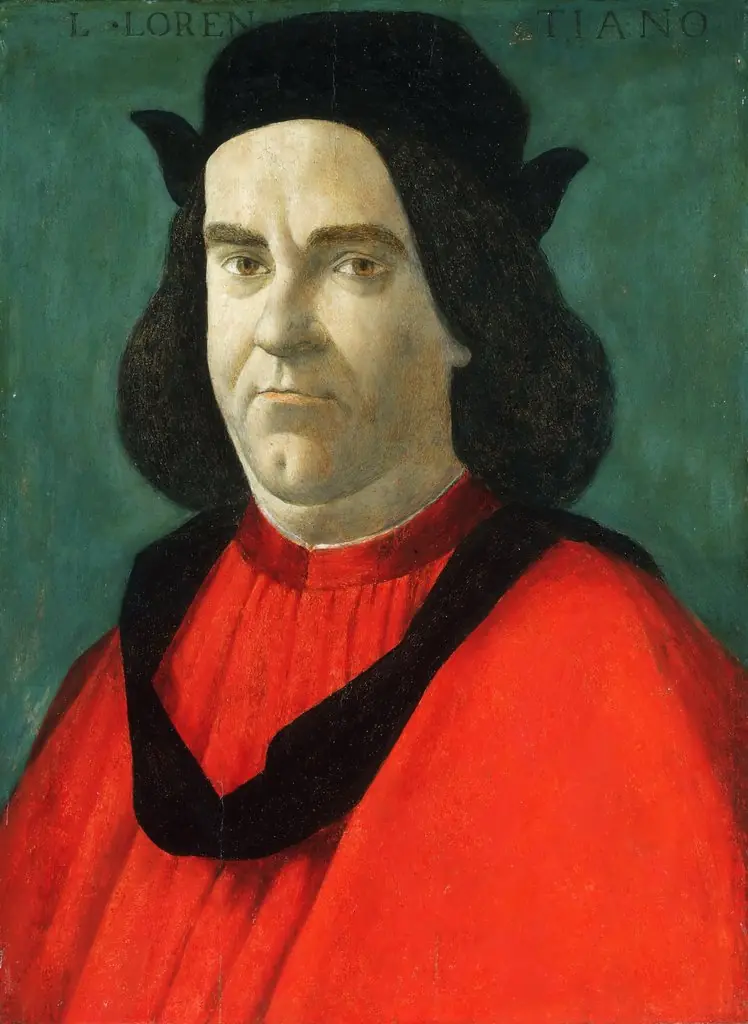 Portrait of Lorenzo de' Lorenzi