Portrait of a Man with a Black-Plumed Hat by Corneille de Lyon
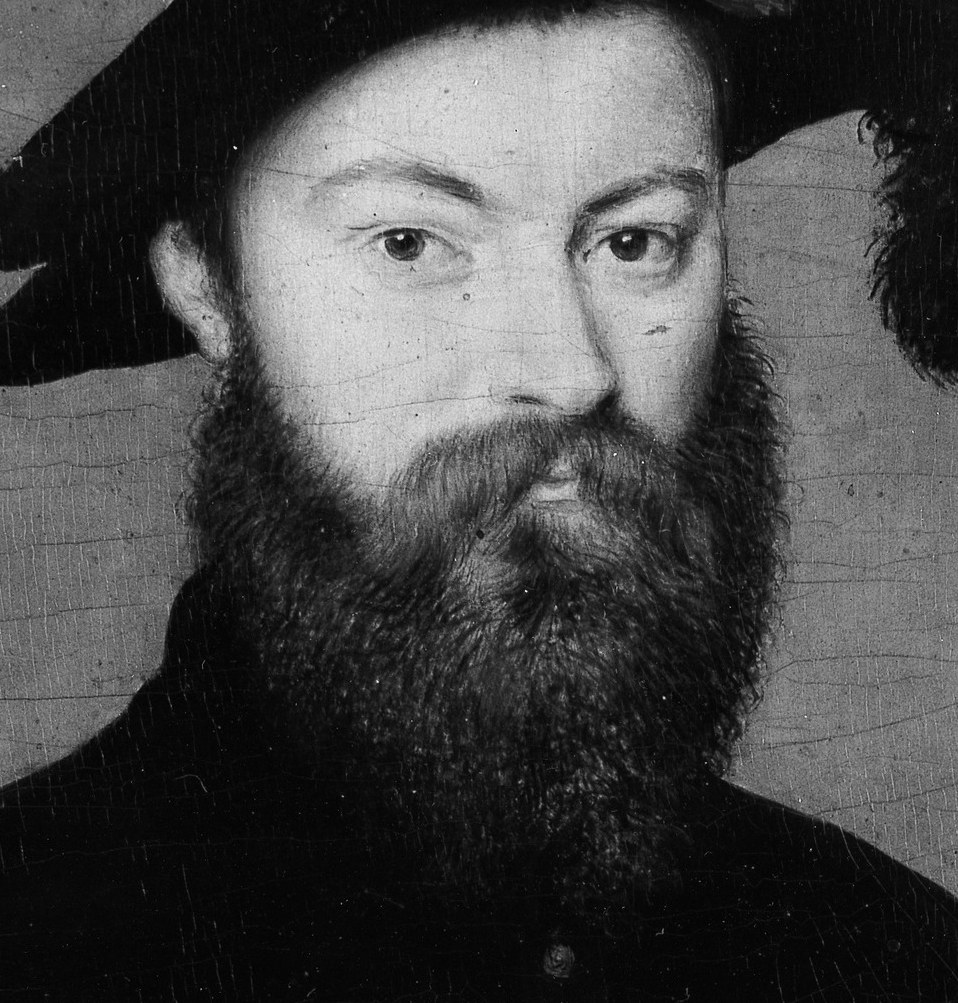
Portrait of a Man with a Black-Plumed Hat is one of the small, jewel-like paintings that made Corneille de Lyon the most sought-after portraitist at the court of Francis I. Painted around 1535, it lives at The Metropolitan Museum of Art. For centuries its sitter was a mystery, but recent scholarship has given him back his name: René de Batarnay, Comte du Bouchage.
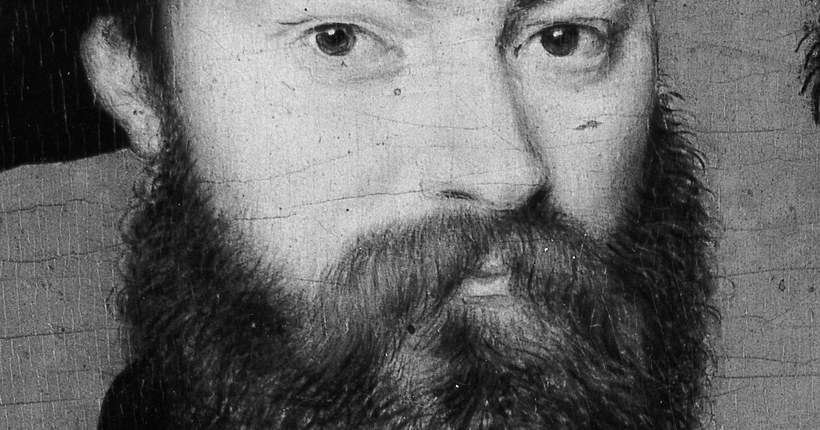
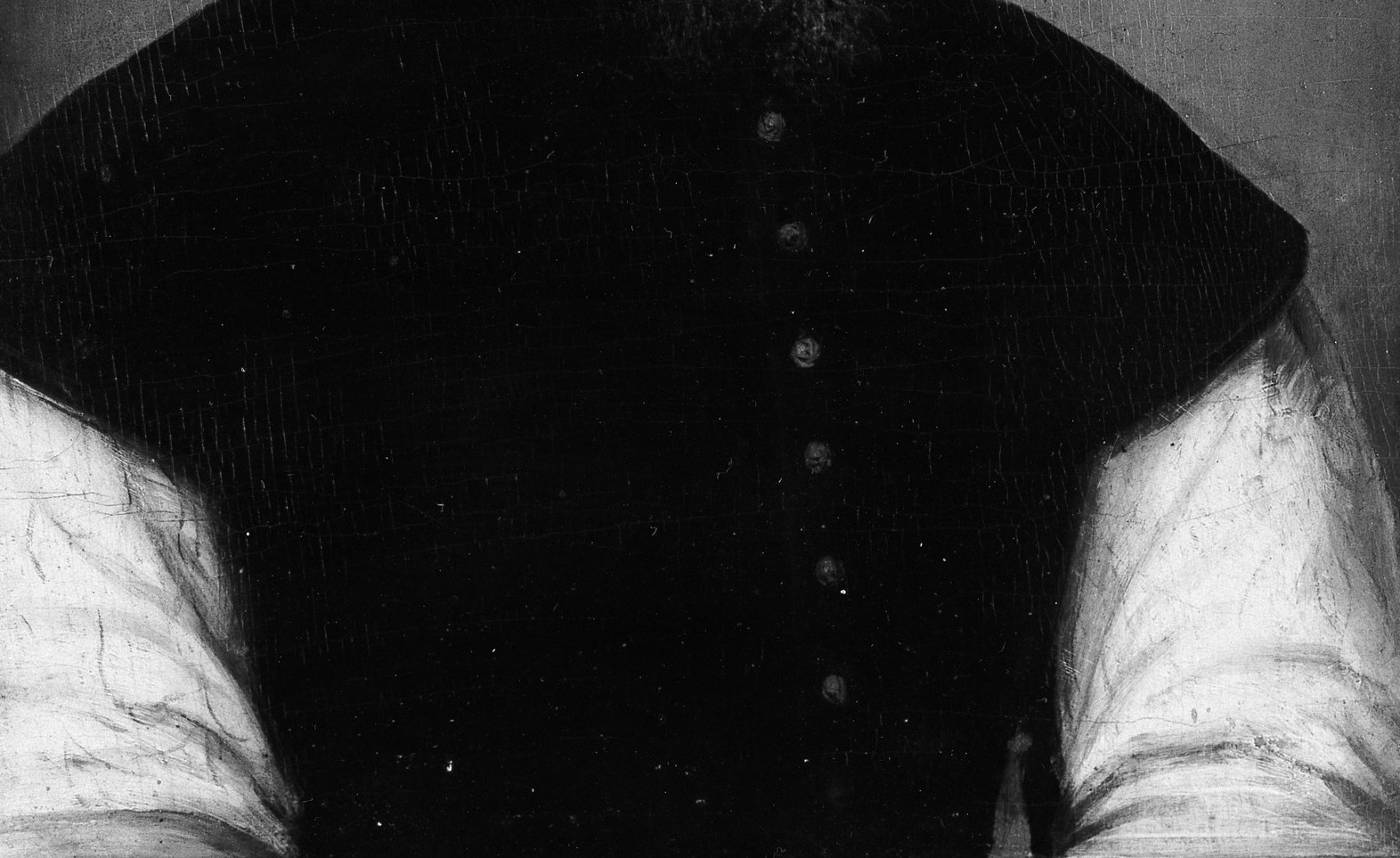
Look first at the hat. Its broad, upswept brim and theatrical ostrich plume are not accessories; they are a uniform. In Francis I's court, a black-plumed hat was a badge of aristocratic rank. Below it, the sitter's direct, neutral gaze meets the viewer across half a millennium. In formal 1530s portraiture, that locked stare signaled confidence and social command. Then notice the white linen at his throat and cuffs. Fine white linen was a conspicuous luxury, and Corneille uses its brightness against the dark doublet to push all attention upward to the face.
The artist, a Dutchman born in The Hague, moved to Lyon and became a naturalized Frenchman. He perfected a formula: a vivid, psychologically specific face, dark clothing that recedes, and a flat, luminous background that isolates the sitter like a specimen. The current dark background may actually disguise original vivid green-blue tones, aged under centuries of varnish. A conservator with a solvent could reveal it.
René de Batarnay was a count, a courtier, and a man of his moment. The portrait captures that moment with quiet authority. What do you think the original background color would change about the mood of this picture?
Details


Transcript
For centuries, no one knew who this was. He faces us directly. That alone was a statement. In the 1530s, a locked stare signaled absolute confidence. The black hat is an aristocrat's calling card. And the white linen at his throat? Pure conspicuous luxury. The painter was the go-to portraitist for the entire French court. His name was Corneille de Lyon. This was his small, jewel-like specialty. We now know the sitter: René de Batarnay, Comte du Bouchage.