Grand Canal with the Rialto Bridge, Venice by Guardi, Francesco
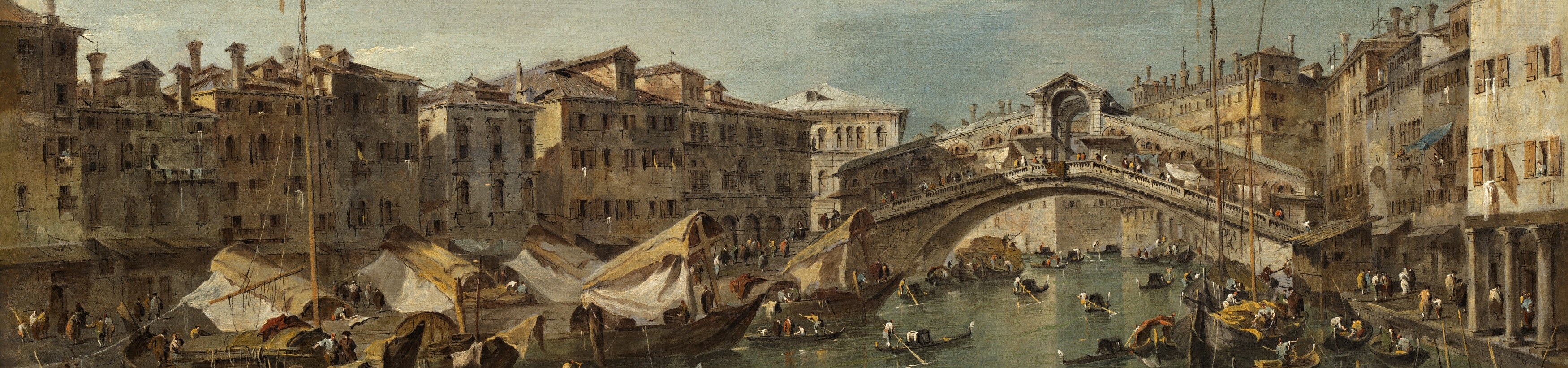
Francesco Guardi's *Grand Canal with the Rialto Bridge, Venice*, painted around 1780, captures the bustling life of the city that captivated Grand Tourists. Originally a popular souvenir for wealthy travelers, paintings like this exemplify Guardi's distinctive atmospheric style.
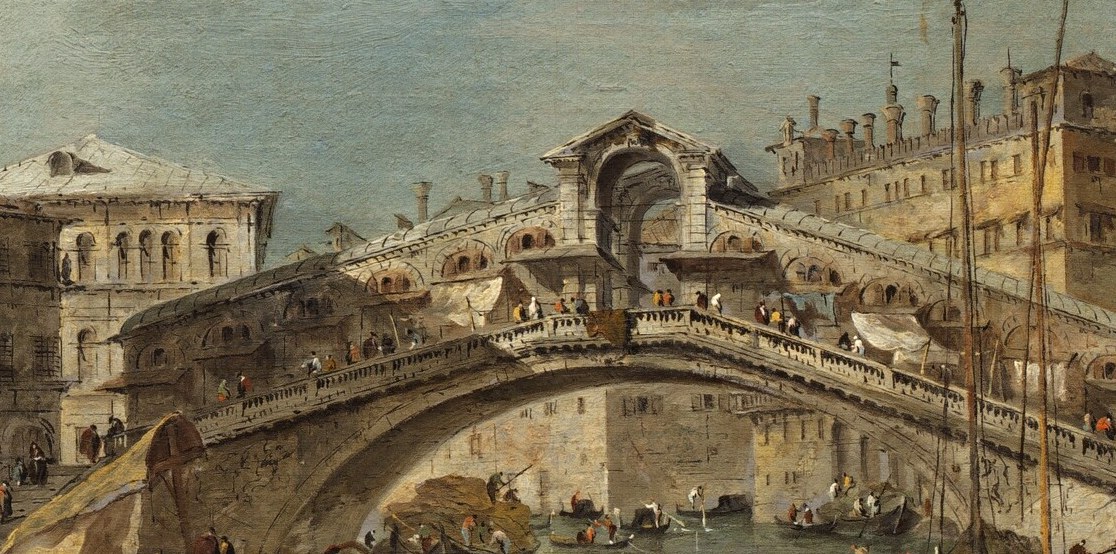
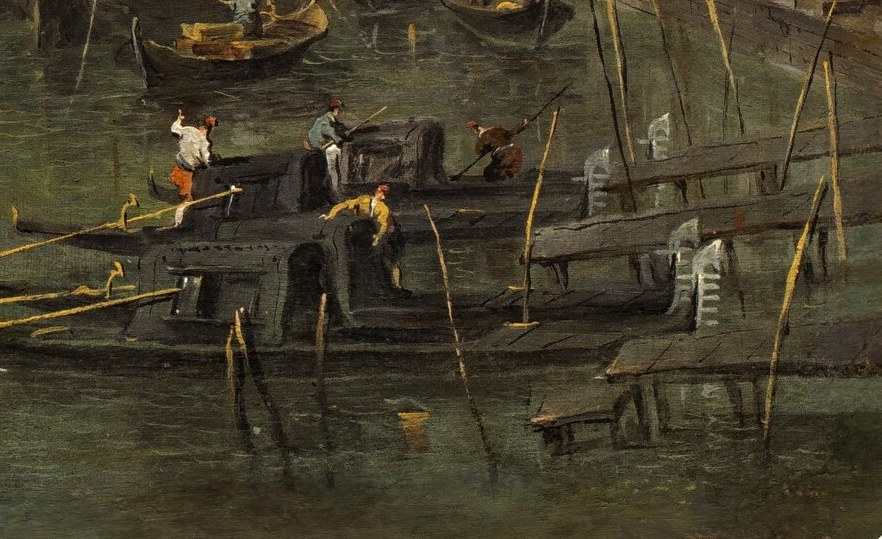
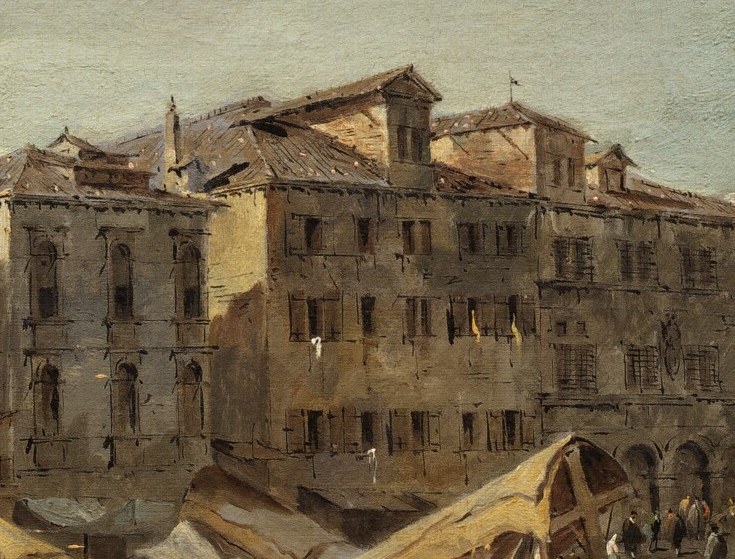
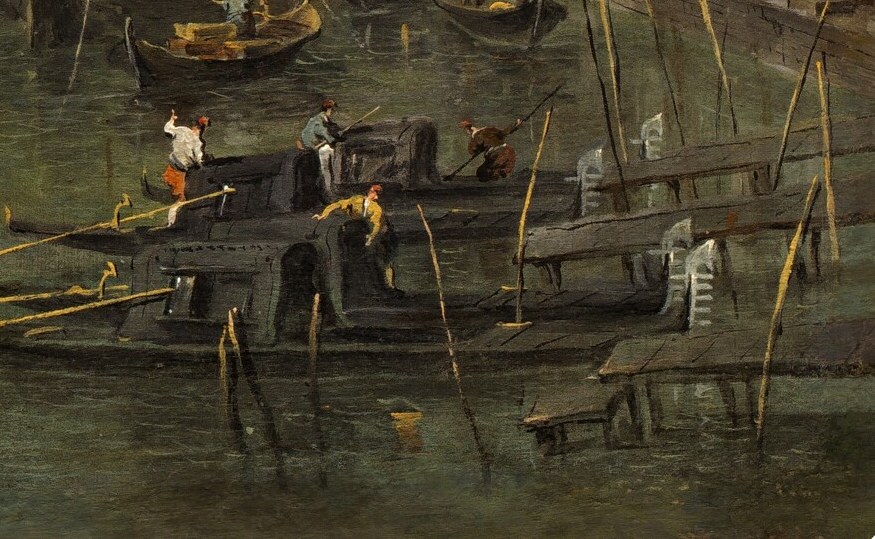
Look closely at the vibrant details: the gondolas gliding through the water, the architectural grandeur of the Rialto Bridge, and the lively figures on the embankments. Guardi's brushwork, less precise than his contemporary Canaletto, gives the scene a sense of movement and immediacy.
While Guardi's works fetched modest prices in the 18th century, their value fluctuated dramatically. Considered less significant in the 19th century, his market surged in the 20th, with similar pieces achieving record-breaking sums at auction. This shifting appreciation highlights the unpredictable nature of art markets and critical taste.
What makes a painting, originally a travel memento, become a multi-million-euro masterpiece centuries later?
Details
Transcript
This painting of Venice was a souvenir for Grand Tourists. It was part of a popular genre, and Guardi was a master. Paintings like this sold for modest prices in the 1700s. By the 19th century, his work was considered minor. But in the 20th century, prices soared again. A similar Guardi sold for 26 million euros in 2011.