Head of the Virgin by Emmanuel Tzanes
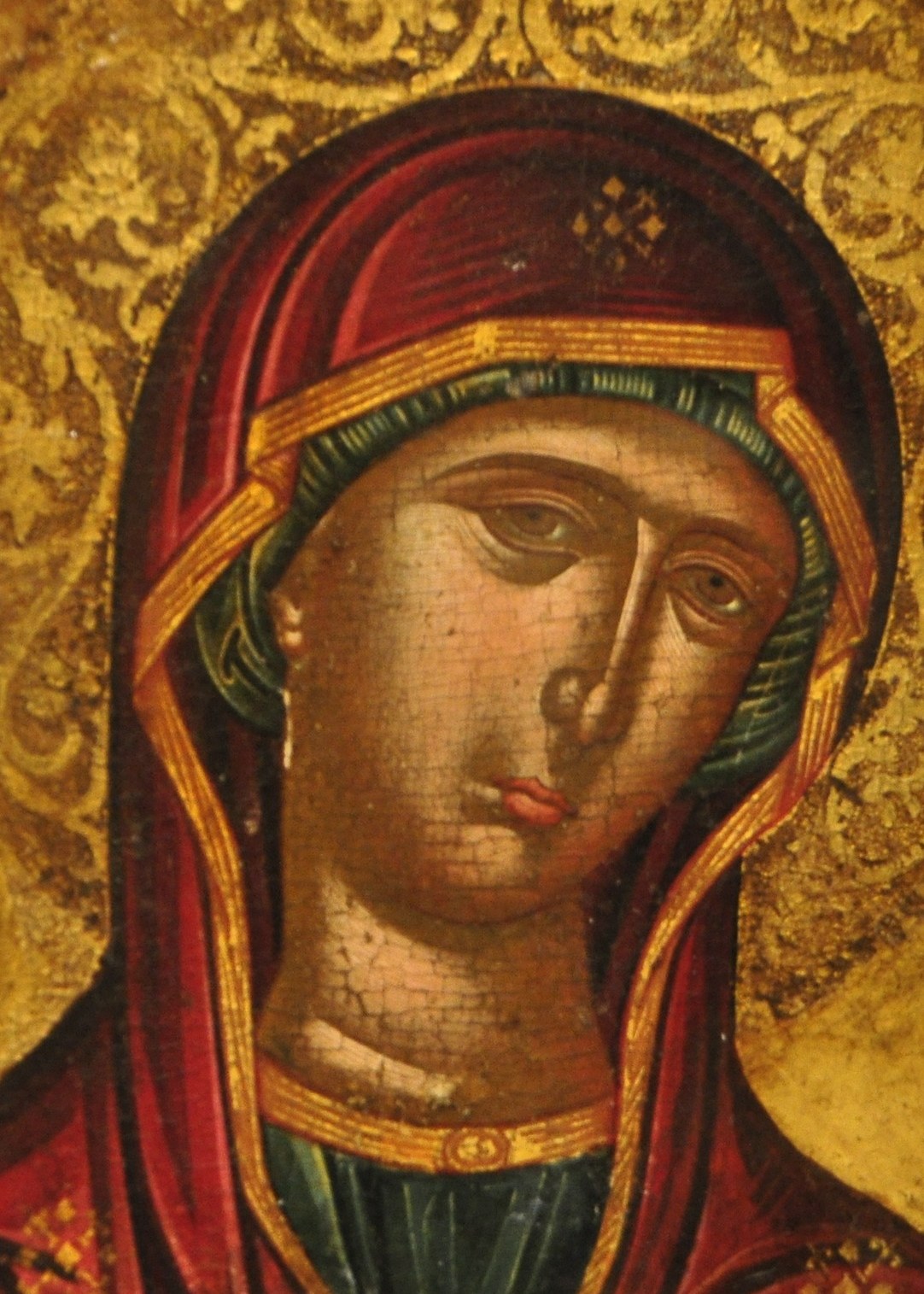
Emmanuel Tzanes's *Head of the Virgin*, painted around 1657 and housed at The Metropolitan Museum of Art, presents a powerful image of maternal grief. The artist, a Greek clergyman and iconographer, blended the ancient Byzantine tradition with the Renaissance influences of Venice.
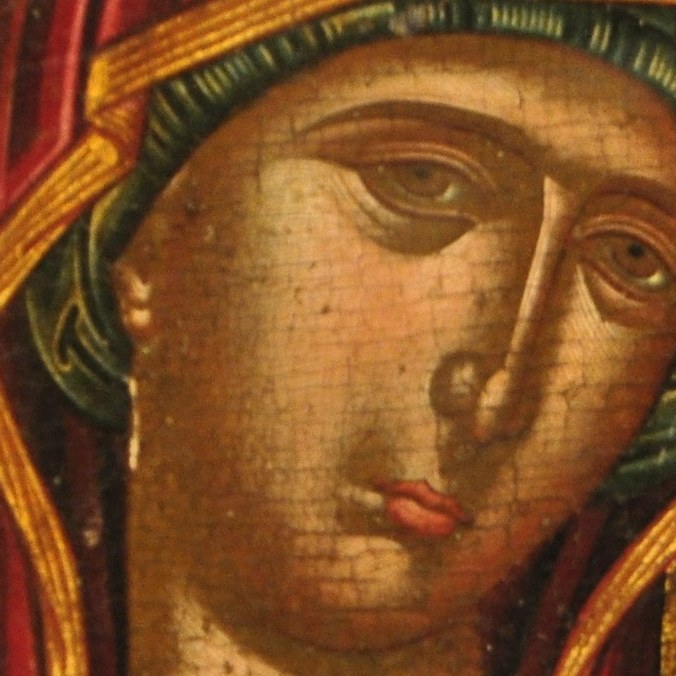
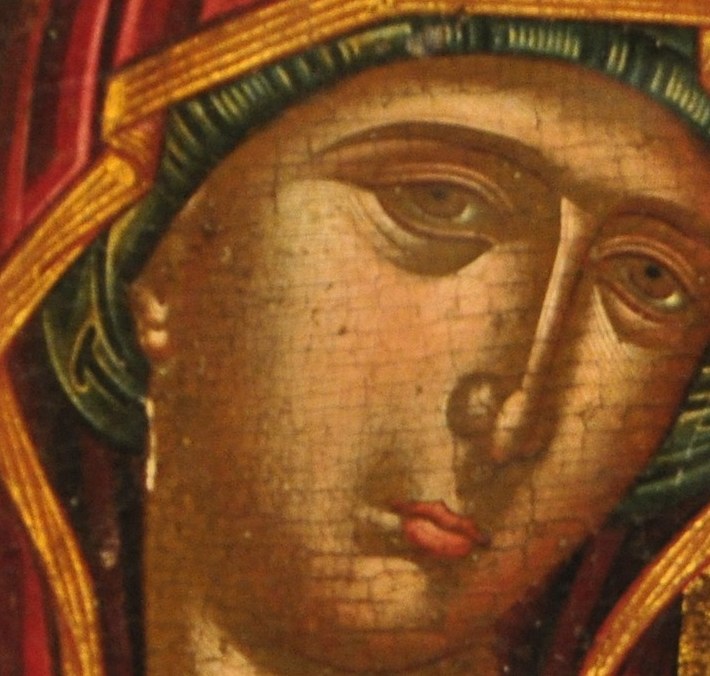
Observe the serene yet deeply sorrowful expression on the Virgin's face. Her slightly parted lips and the solemnity of her gaze, typical of Byzantine iconography, invite quiet contemplation rather than emotional outburst. Notice the intricate gold patterns of the halo and background, signifying her divine status.
Tzanes was a prolific artist, creating over 130 icons in his lifetime. He served as a priest in Venice, a major center for the Greek diaspora, and his work reflects the artistic and religious environment of the time. This piece showcases his mastery of tempera and his dedication to the spiritual focus of icon painting.
The enduring power of this image lies in its quiet dignity and its ability to connect the viewer to a timeless sense of sorrow and faith.
Details
Transcript
This is the Virgin's face. Her expression conveys a profound sorrow. Look at her slightly parted lips. The artist added a Greek letter Theta to her halo. This style connects ancient Byzantium to Venice. He painted over 130 religious works like this.