A Panoramic Landscape with a Country Estate by Philips Koninck
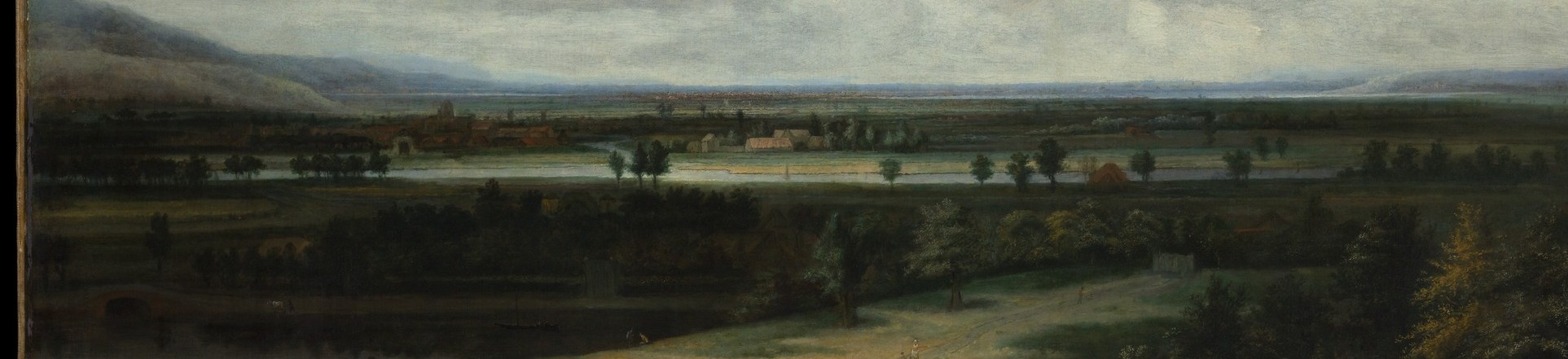
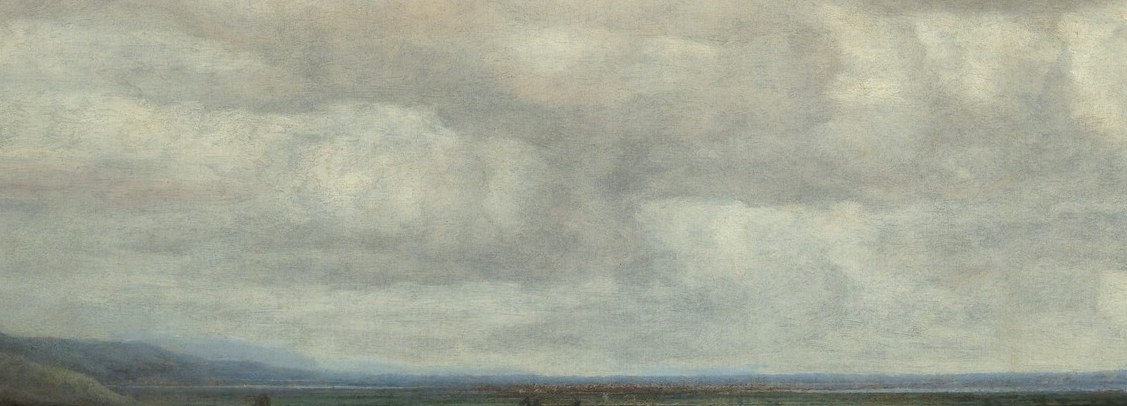
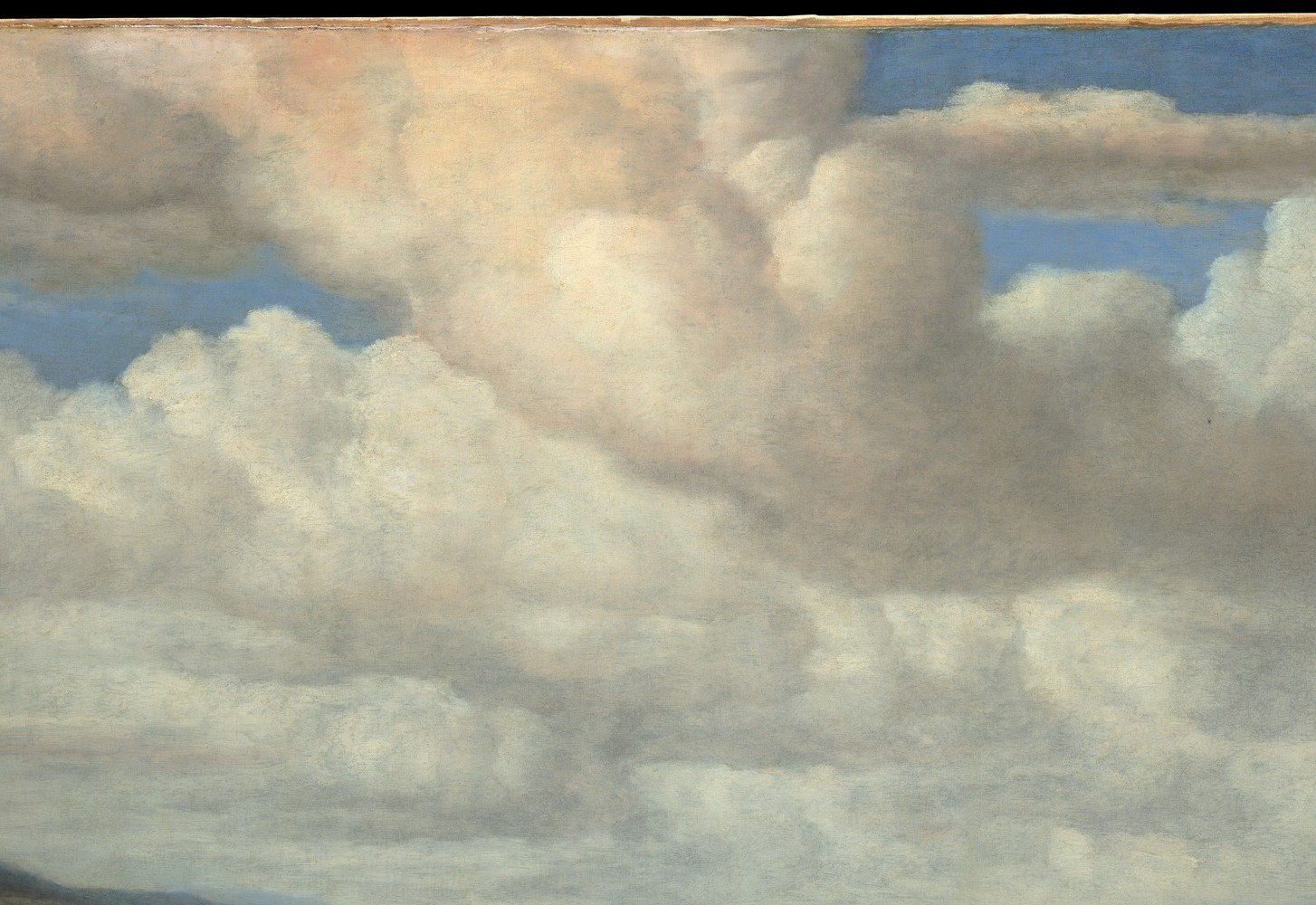
Philips Koninck's 'A Panoramic Landscape with a Country Estate' (1649) is a masterclass in painting not just the land, but the air itself. The canvas divides almost ruthlessly: more than half given to a single towering cumulus cloud mass, the flat Dutch polder compressed into a narrow ribbon beneath it.
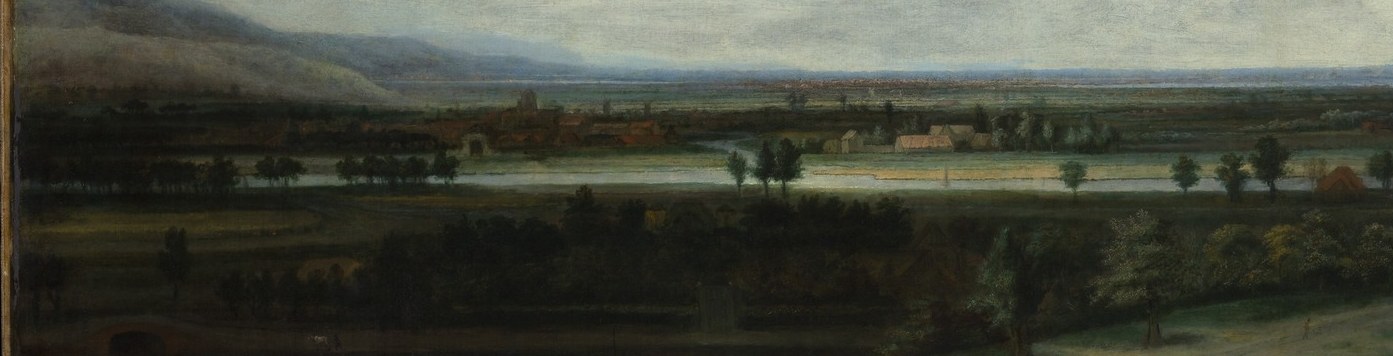
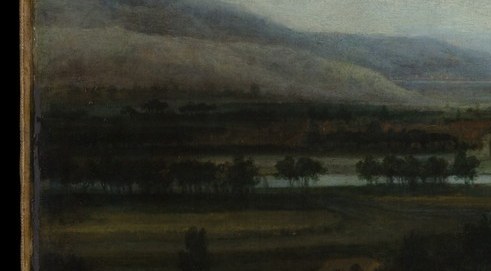
Look at the band of shadow rolling across the middle plain. Koninck alternates these dark and light bands like ribbons laid across the canvas, a direct lift from Rembrandt's etchings, to push the landscape back one stripe at a time. Then find the faint blue hills on the far left horizon: near-invisible, they dissolve solid ground into atmospheric haze, the painting's deepest and quietest spatial claim.
Trained under his brother Jacob and later in Rembrandt's Amsterdam studio, Koninck spent the late 1640s and 1650s painting almost nothing but these panoramas. The country estate in the middle distance is nominally the subject, but it sits tiny beneath the sky, human prosperity swallowed by weather. The real subject is the weather system itself, moving light across flat land.
Next time you're in a wide open landscape, watch the cloud shadows migrate. Koninck saw it and built a decade of paintings from it.
Details
Transcript
Start by giving the sky 55% of the canvas. The flat land is compressed to barely a quarter of the frame. He trained in Rembrandt’s studio, where light was a physical substance. See it here: the lit cloud underbelly, painted as warm weight. He builds the illusion of fifty miles with alternating bands of shade and brightness. These blue hills are the painting's deepest claim, solid land dissolved to a whisper. Everything he learned about atmosphere he poured into one billowing cloud mass.