The Mystic Marriage of Saint Catherine by Anthony van Dyck
Anthony van Dyck's "The Mystic Marriage of Saint Catherine," painted in 1618, is a captivating work of the Flemish Baroque period, housed in a distinguished collection.
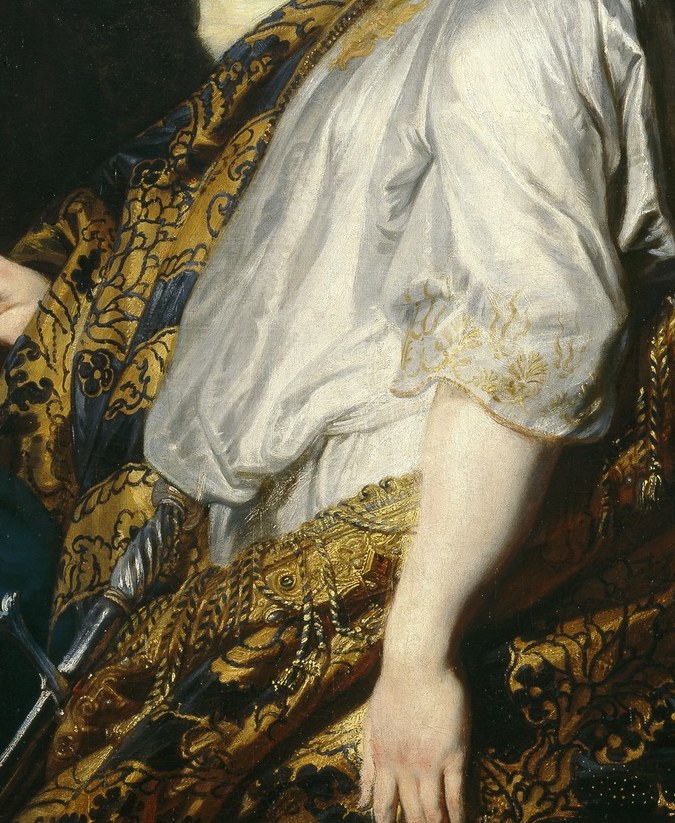
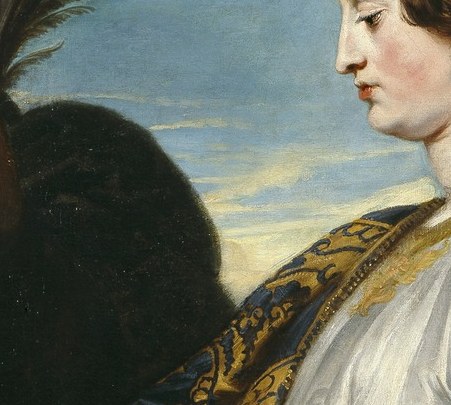
This painting invites a closer look at its rich details. Observe the luxurious white and gold dress of Saint Catherine, adorned with intricate embroidery that speaks to her noble standing. The soft light highlights the textures and folds of the garments, drawing the eye to the central narrative.
Created when van Dyck was a young master, this painting showcases his early brilliance and the influence of Peter Paul Rubens. Beyond its beauty, the subtle inclusion of the sword's hilt under Saint Catherine's hands adds a poignant layer, foreshadowing her eventual martyrdom and deepening the spiritual significance of her mystical union.
What other hidden symbols do you notice in the work?
Details
Transcript
This painting tells the legend of Saint Catherine's mystic marriage. Anthony van Dyck painted it in 1618, when he was just 19. Look closely at Saint Catherine's white and gold dress. The intricate embroidery shows her noble status. Yet a small detail hints at her violent end. Beneath her hands, a sword's hilt symbolizes her martyrdom.