The Drive, Central Park by William James Glackens
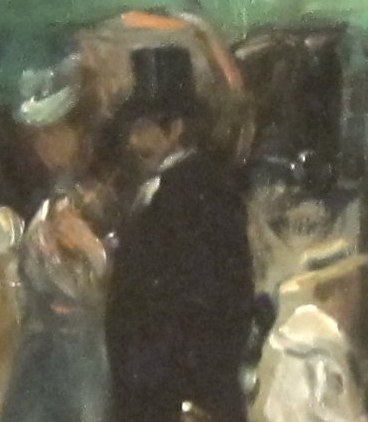
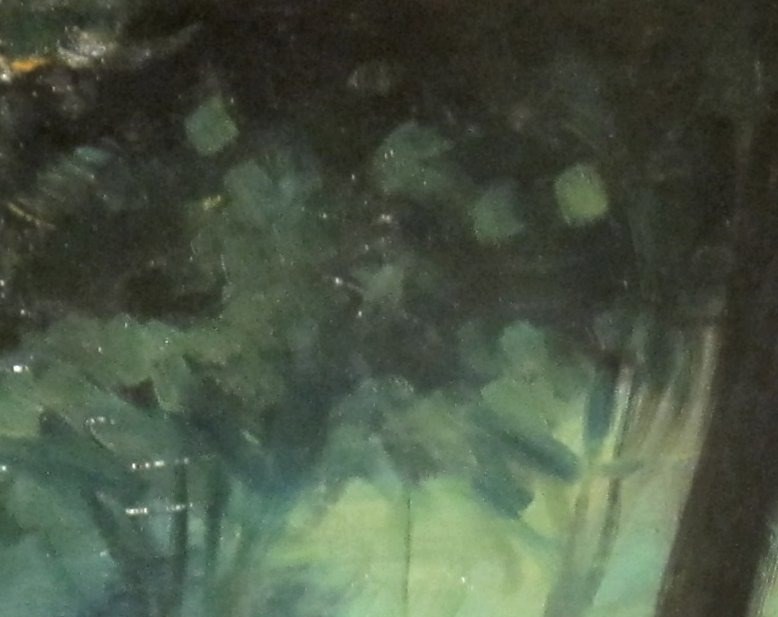
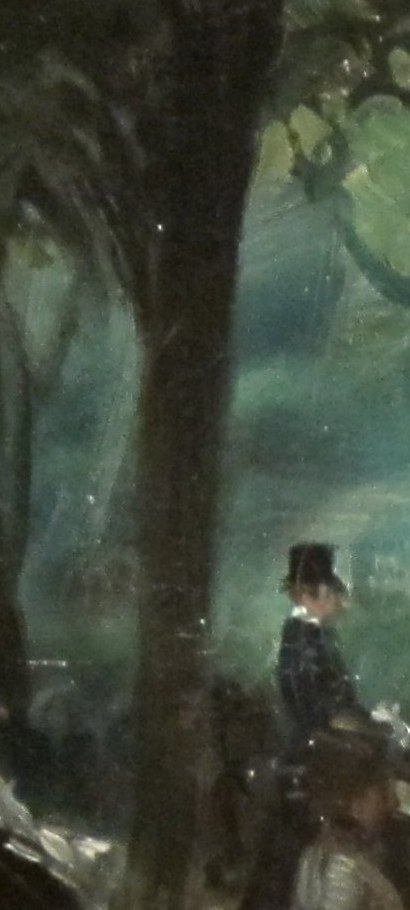
William James Glackens' The Drive, Central Park, 1905, at The Cleveland Museum of Art, captures a lively social scene. The painting uses bright, impressionistic strokes to show fashionable New Yorkers enjoying their park. Notice the dappled light filtering through the trees, creating a vibrant, fleeting atmosphere. Glackens, known for his Ashcan School roots, showed a brighter side here, influenced by Renoir, finding beauty in modern life. Look closely at the figures; even distant ones are rendered with energetic dabs. One small figure, a child in a white dress, seems to be looking out from the canvas, a focal point often missed in the broader scene.
Observe the interplay of light and shadow on the foliage, which defines the time of day and mood. The figures, though gestural, convey the social rituals of the era, from leisurely strolls to quiet moments on benches. Glackens’s loose brushwork captures the movement and energy of the park.
Painted during a period of stylistic evolution for Glackens, this work reflects his transition towards a more painterly approach, embracing the light and color of Impressionism. It is a testament to his skill in depicting the dynamism of early 20th-century New York City.
This lively scene draws us into a moment of shared urban leisure.
Details
Transcript
This painting shows a busy day in Central Park. Elegant New Yorkers enjoy a leisurely afternoon. The dappled light creates an impressionistic mood. Glackens painted this in 1905, a bright period. Look at this tiny figure in the distance. A hidden child in white looks right at us.