A painting on a harpsichord lid with a party by a river by Philip Schey
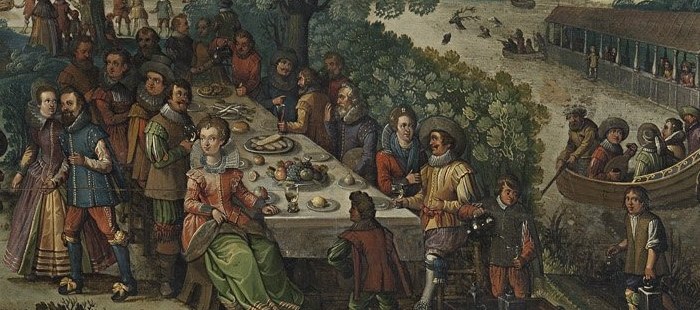
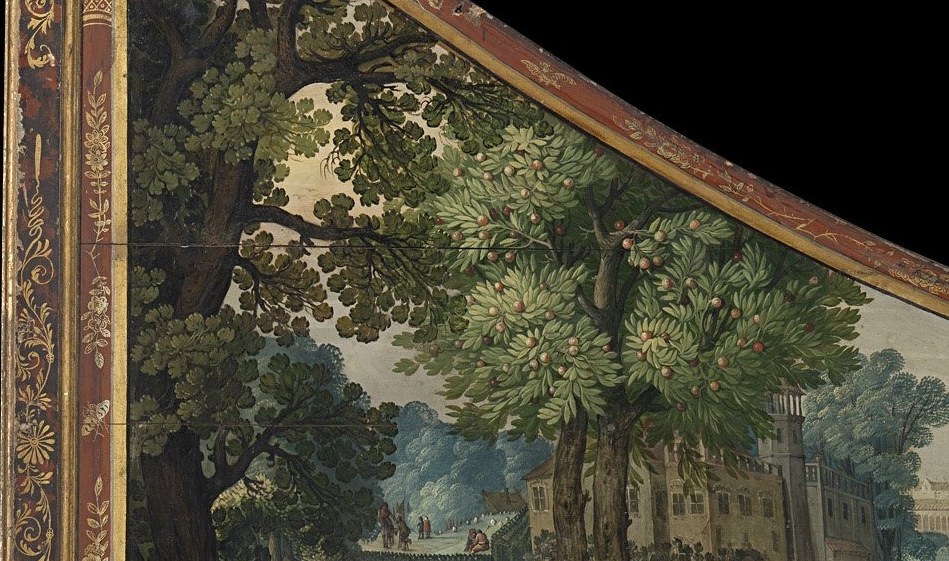
This intriguing oil painting, 'A painting on a harpsichord lid with a party by a river' by Philip Schey, dating to 1626, isn't just a scene; it was originally part of a harpsichord. Now housed at the Rijksmuseum, it combines artistry with domestic life in a fascinating way.
The painting depicts a lively outdoor gathering, with elegantly dressed figures enjoying a banquet by a river. Look closely at the richly laden table, a symbol of abundance. Even the graceful swans on the water, beyond the conversing groups, can carry symbolic meanings of beauty and fidelity, adding layers to the celebratory scene.
Created during the Dutch Golden Age, this work provides a glimpse into the era's appreciation for integrating visual art with functional objects. Its survival gives us insight into the social customs and leisure activities of the time, where art, music, and domestic enjoyment were closely linked.
It’s a beautiful example of how everyday objects could become canvases for rich storytelling. What other hidden meanings might be found in such a festive scene?
Details

Transcript
This isn't just a party, it's a painting on a harpsichord lid. The decorative border frames this celebratory scene. The richly laden banquet table represents abundance and prosperity. Elegant figures, like this central couple, enjoy leisure and social status. Even the swans on the water symbolize beauty and fidelity. It was made for a musical instrument, joining art with domestic life.