Pierre Louis Dubus (1721–1799), Called Préville, of the Comédie-Française by Jean-Baptiste Massé
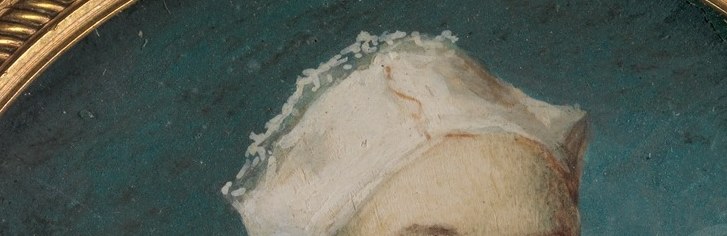
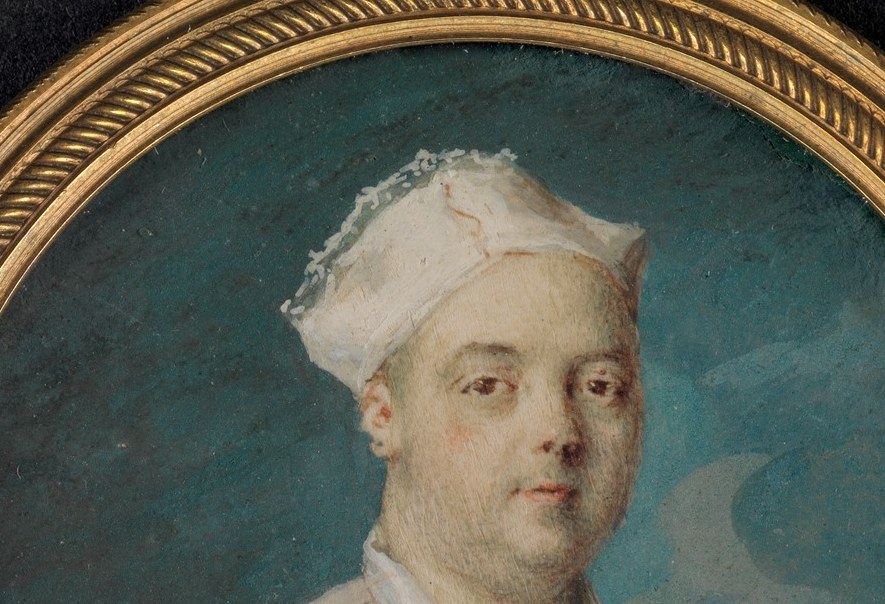
This is a portrait of Pierre Louis Dubus, known on the Paris stage as Préville, painted by Jean-Baptiste Massé around 1800. It belongs to The Metropolitan Museum of Art. The first thing you notice is the nightcap. It looks like a private moment, a man caught off-guard in his bedclothes. But this is a public performance, painted for an audience that understood every inch of the costume.
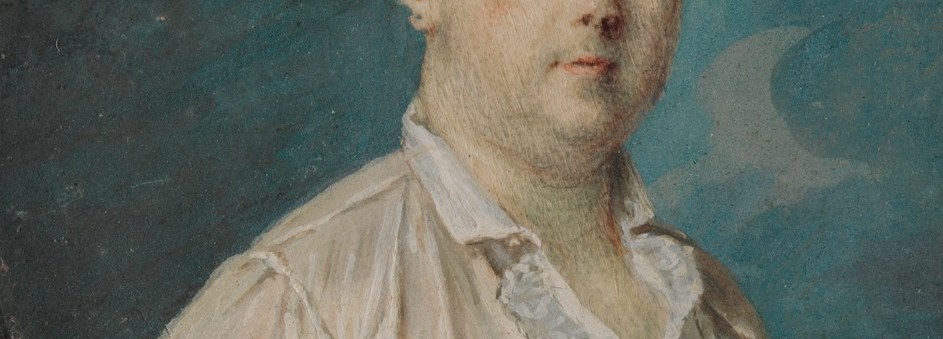
Look at the linen cap and the loosely tied collar. The informality is deliberate. Préville was a star of the Comédie-Française, the most prestigious theatre in France. A formal wig and cravat would have signaled a grand, aristocratic person. The nightcap and open shirt signal something more valuable to a comic actor: he is so naturally witty, so effortlessly brilliant, that he does not need a costume. The painter invites you backstage, selling a fantasy of intimacy with a celebrity.
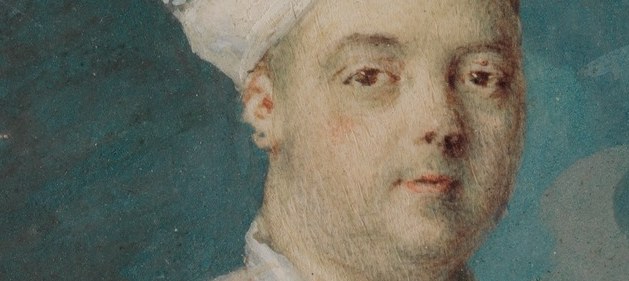
The artist, Jean-Baptiste Massé, had been the court painter to Louis XV. Painting a posthumous portrait of an actor on ivory, using the translucent material to imitate living skin, was a way of preserving the man’s warmth and humanity after his death. The cool teal background pushes the warm flesh tones forward, so the aging, unflattered face remains the entire story.
This is a portrait of a performer playing his greatest role: himself, the genius at rest. The relaxed cheeks and alert, amused eyes tell you the wit is still alive, even if the man is not. What would you give to hear the joke he has just thought of?
Details
Transcript
At first glance, it is simply an old man in his nightcap. The year is 1800. He is one of the most famous actors in Paris. A famous man, painted in his bedclothes by a court painter to a king. This undone collar and linen cap are not laziness. They are a code. Modern audiences paid to see him at the Comédie-Française. But the nightcap invites you backstage. It sells intimacy with the star. The message: I am a genius whose wit is so natural, I do not need a costume. Posthumous, 1800. A final bow, dressed in the effortless brilliance of ivory.