Easter Monday-Hélène Daurmont by Walter Sickert
Walter Sickert, a key figure in British Post-Impressionism, was profoundly fascinated by the interplay of light and shadow. His 1906 oil painting, *Easter Monday, Hélène Daurmont*, at The Cleveland Museum of Art, exemplifies this mastery.
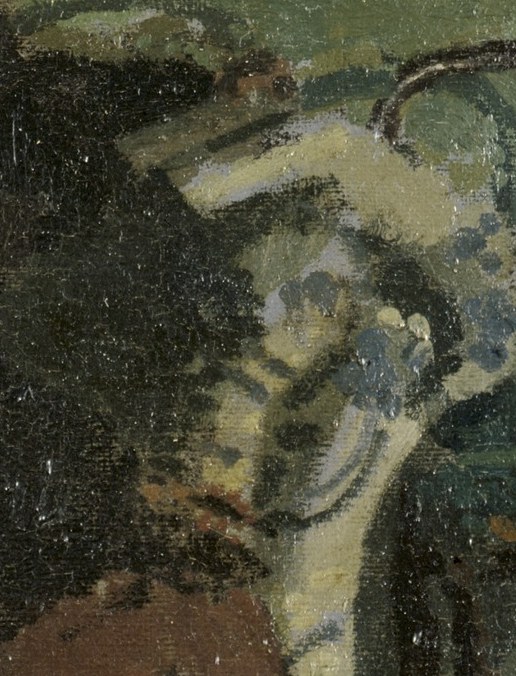
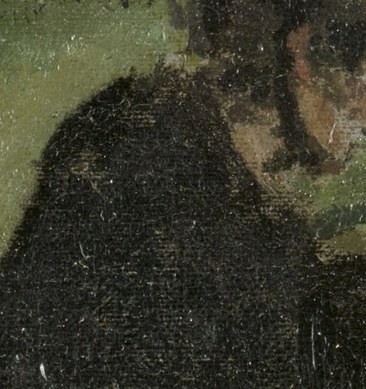
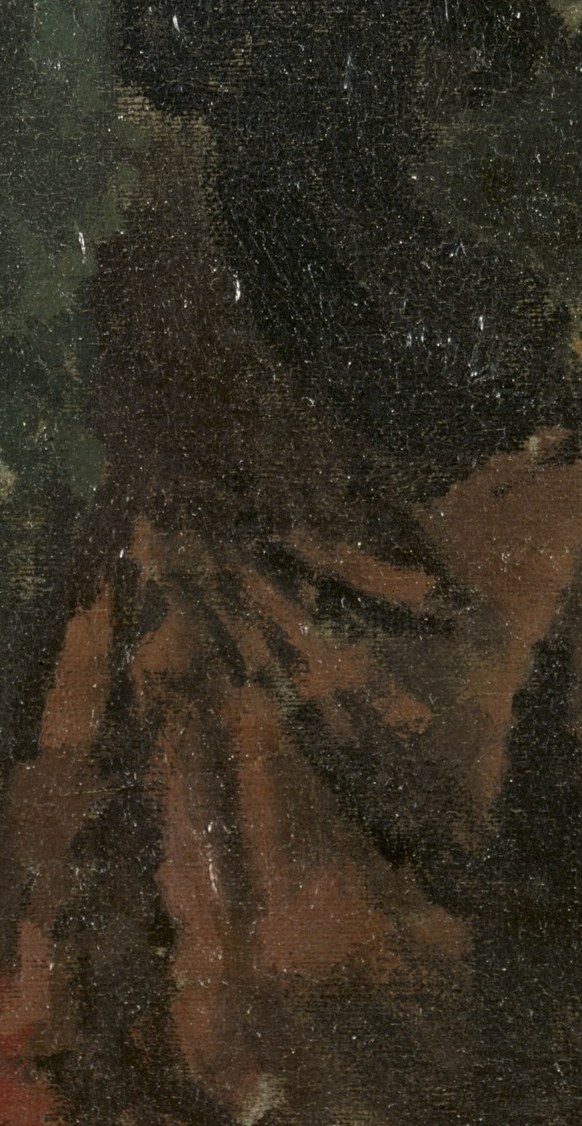
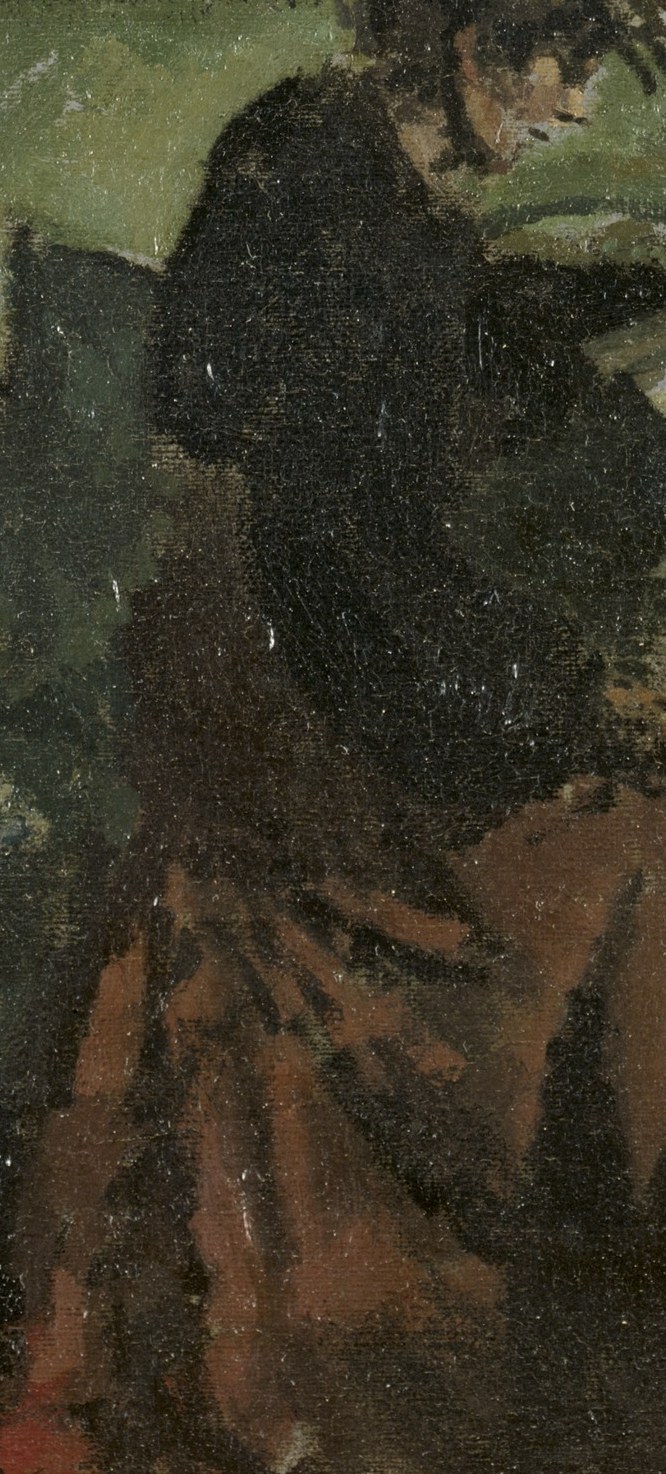
Notice how the light from an unseen window sculpts the form of the woman, emphasizing the textures of her feathered hat and the heavy drape of her dark dress. Sickert's brushwork, though brisk, precisely captures the way light defines her profile and folded arms, creating a sense of quiet introspection.
As a member of the Camden Town Group, Sickert sought out everyday subjects, finding what he called 'the poetry of the commonplace' in ordinary urban scenes. This painting reflects his commitment to capturing unvarnished life, making the viewer a quiet observer of a private moment.
What details do you find most striking in his use of light?
Details
Transcript
This painter was obsessed with light, and how it falls. He studied his subjects in natural light, like this window. See how light defines her hat, catching the textured feathers. He captures the heavy fabric of her dress, almost sculptural. The light sculpts her face and folded arms in paint. He painted what he called 'the poetry of the commonplace'.